
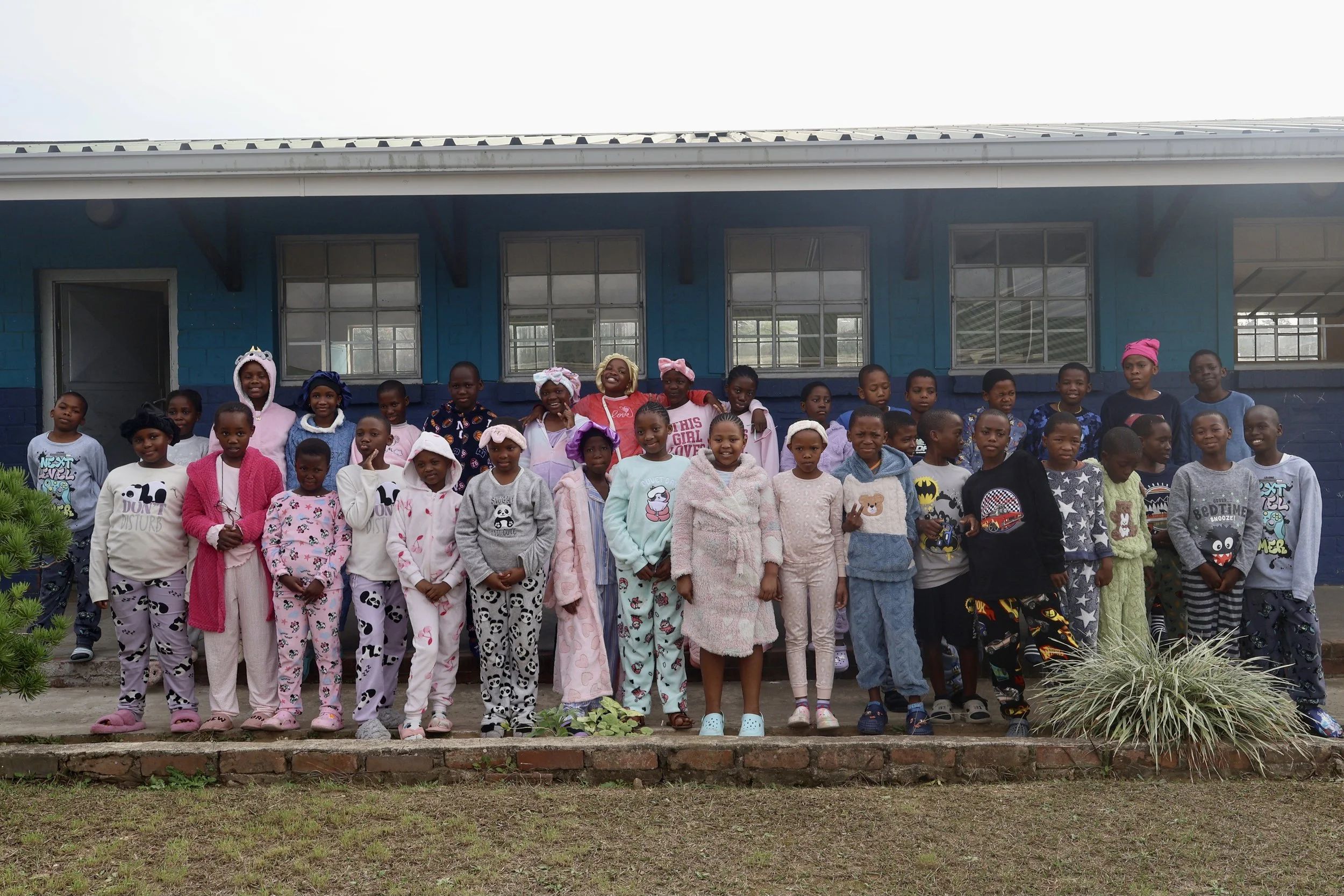
Through Their Eyes: PhotoXP at Bavumile Primary School
At Bavumile Primary School in Matatiele, the school day moves through its familiar rhythms: learners gathering at assembly, lessons unfolding in classrooms and moments of play spilling out into the spaces beyond them. On 14 August 2026, these everyday scenes became the focus of PhotoXP, as learners were invited to pick up cameras and document the world they know best.
Under the theme “My School,” the young participants turned their attention towards the people, places and moments that shape life at Bavumile. What emerged was more than a collection of photographs. It was a record of a school seen through the eyes of the children who inhabit it each day.
We Are The Archive: A Journey Through Memory, Visibility, and Queer Resilience in Amsterdam
In the sweltering Amsterdam summer, I joined Professor Muholi and Lizzy Ziqubu for a screening of the documentary “We Are The Archive.” What unfolded was more than a film—it was a powerful convergence of generations, a call for queer shelters, education reform, and a reminder that the archive is not a place, but a practice of preserving Black queer history in motion.
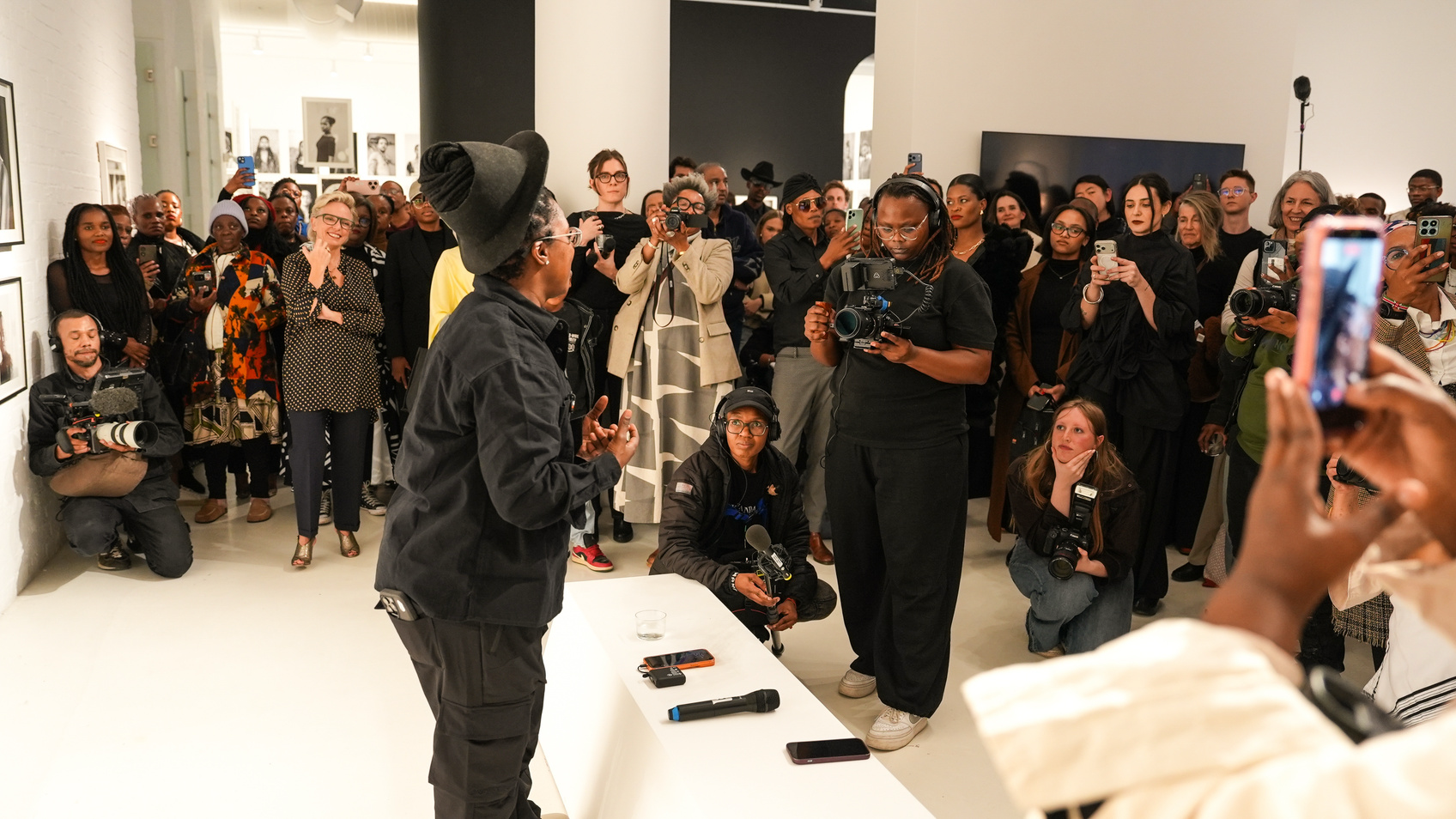
KANYE NAWE: CELEBRATING 20 YEARS OF FACES AND PHASES, ZANELE MUHOLI’S MAJOR SOLO EXHIBITION
Kanye Nawe celebrates 20 years of Faces and Phases, Prof. Zanele Muholi's landmark photographic series documenting the lives of Black lesbian, transgender, queer and gender-diverse communities. Held at Southern Guild in Cape Town, the exhibition reflects on two decades of image-making, memory and collective storytelling, bringing together works from across Muholi's celebrated practice. Through reflections on the opening, community, chosen family and the enduring power of the archive, this feature explores how Kanye Nawe extends beyond the gallery, affirming that Faces and Phases is not only a photographic project, but a living testament to visibility, collaboration and shared history.
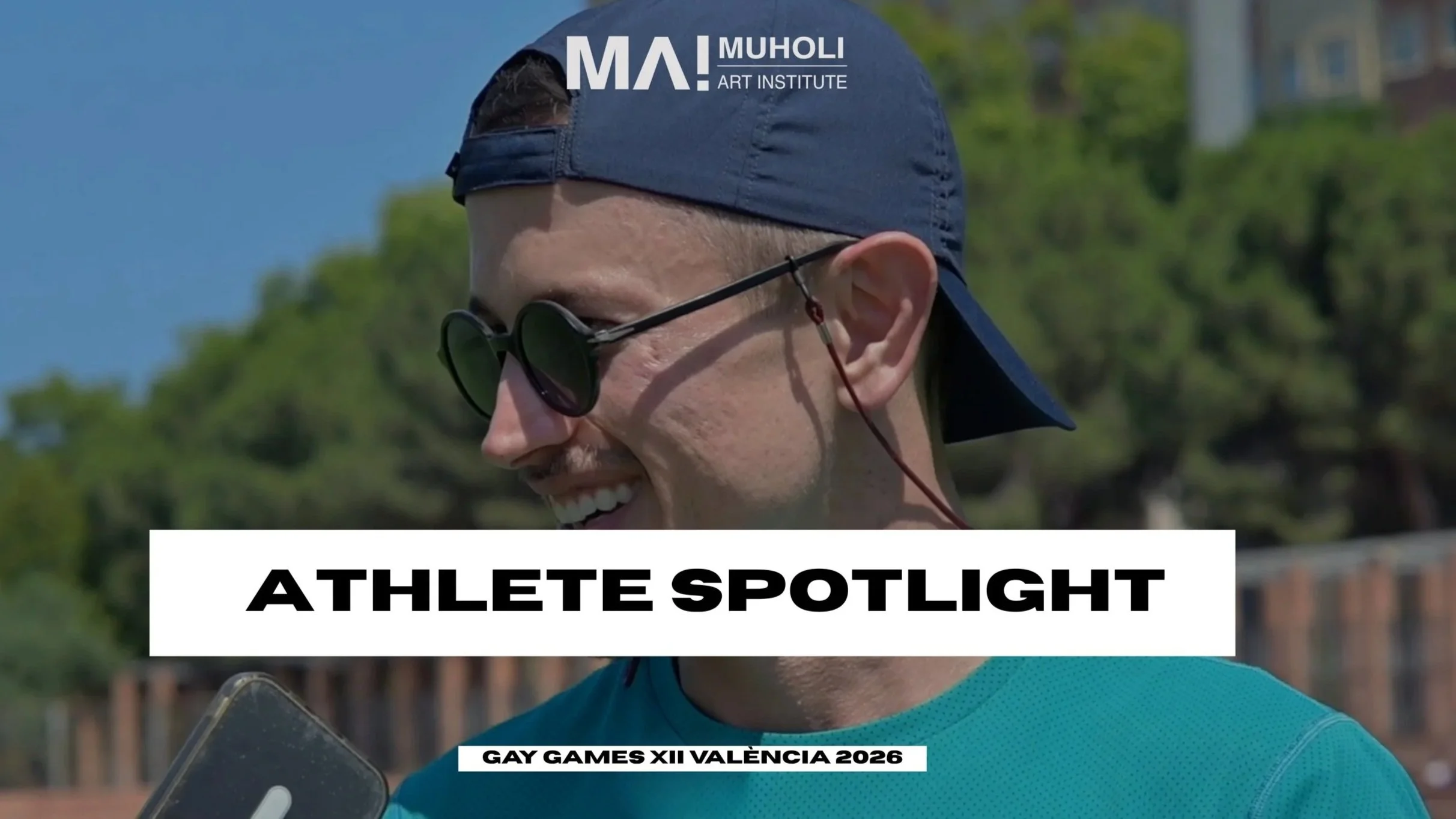
“The Camaraderie Across Countries Is Incredible”: Craig Davies on the Spirit of Gay Games XII
In Athlete Spotlight #2, South African athlete Craig Davies discusses competing at Gay Games XII, the importance of international solidarity, and why sustainable LGBTQIA+ sporting communities remain essential beyond the Games.
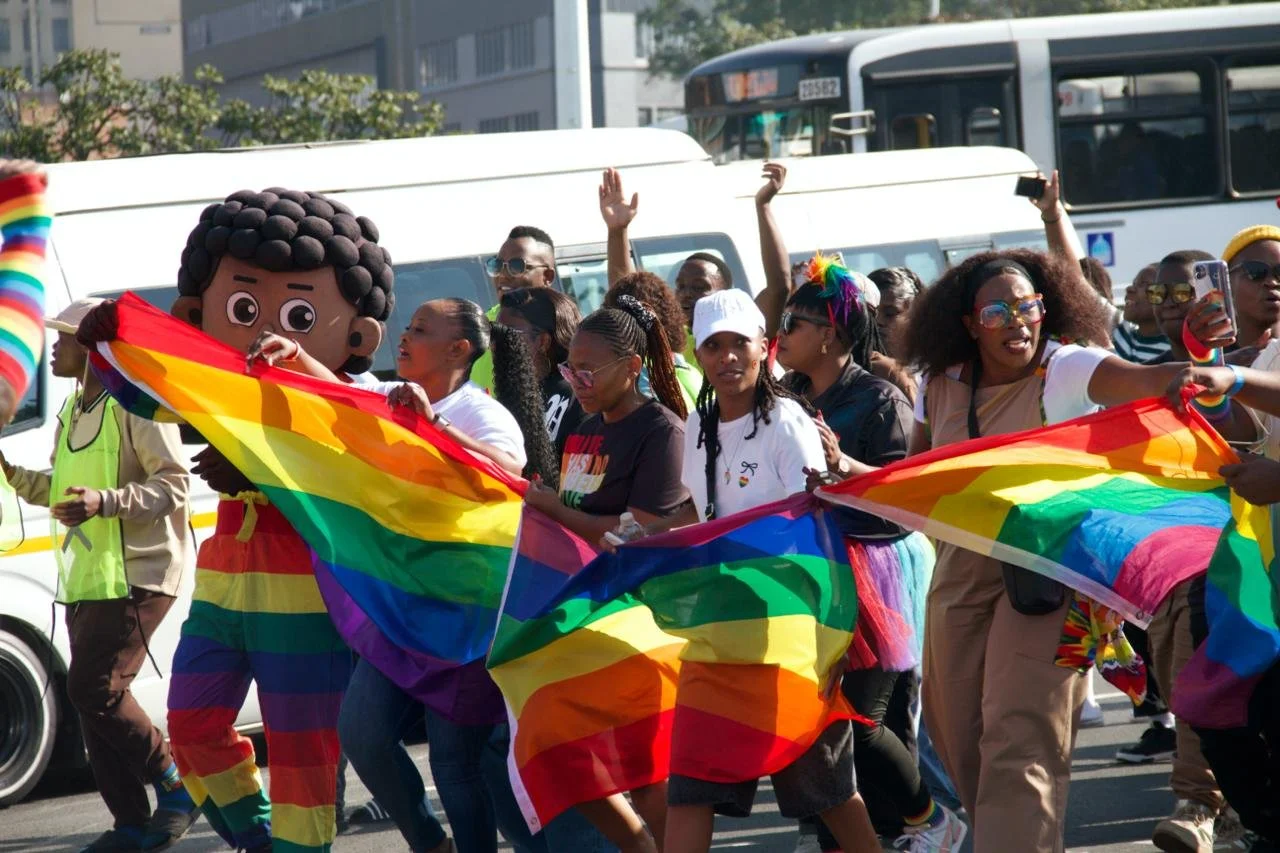
Durban Pride 2026
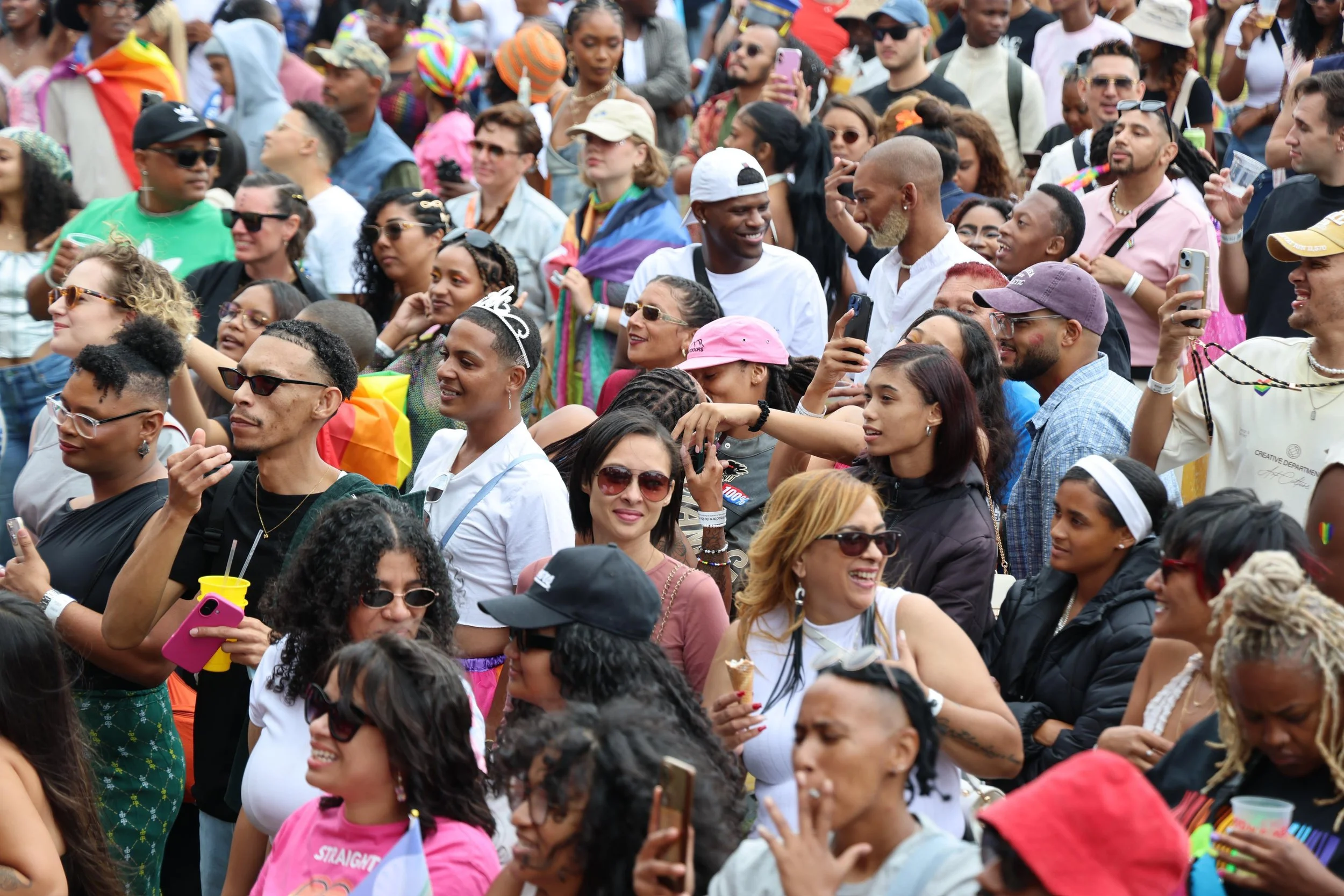
Love gathers in many forms. This photo essay follows a first journey to Durban Pride 2026, documenting moments of celebration, activism, kinship, and belonging. Through images of marches, performances, families, and quiet acts of care, it reflects on how queer communities in South Africa continue to create spaces of visibility, resilience, and hope.
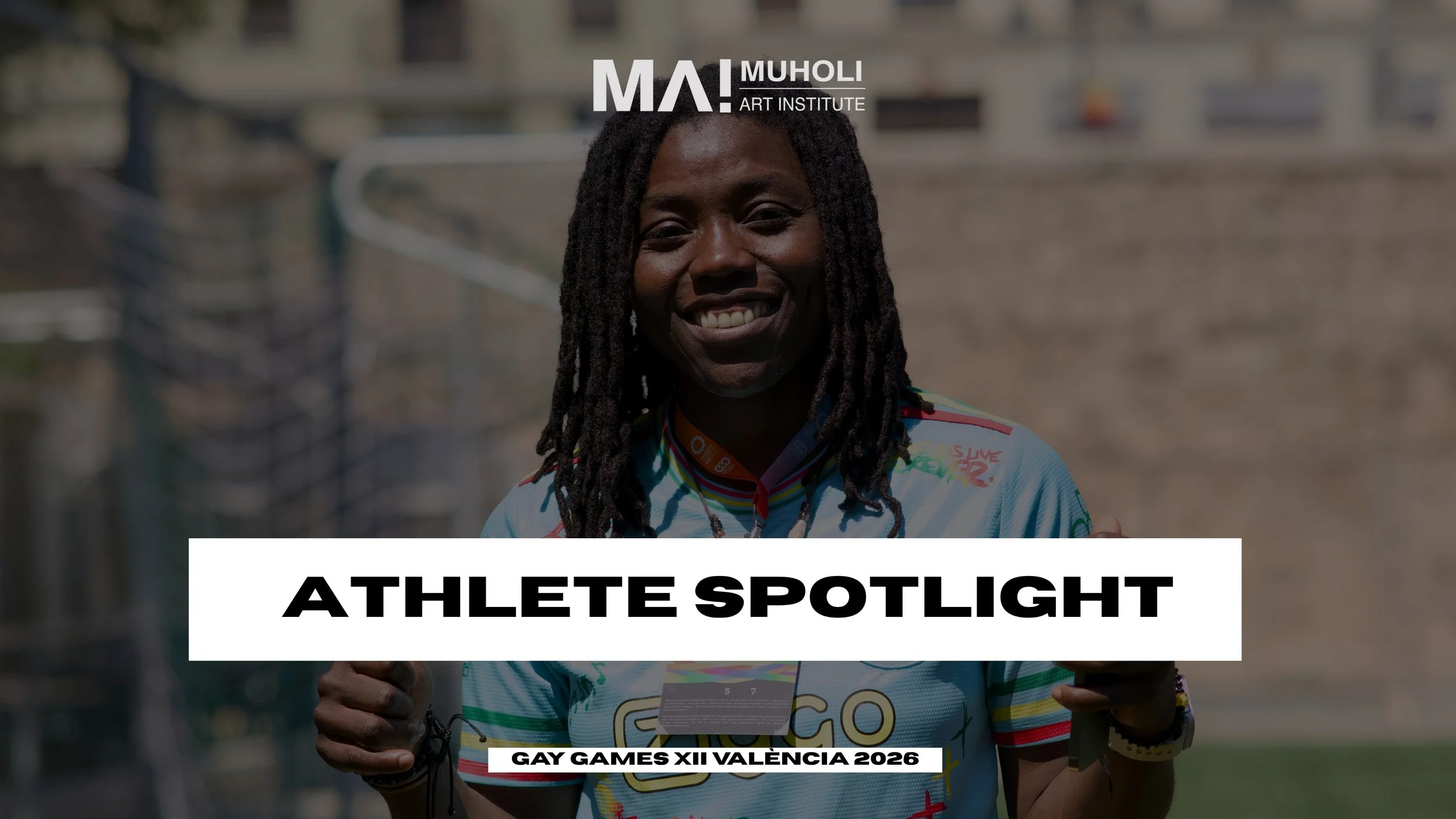
“Keep Believing”: How Lian Ndappe Found Joy, Visibility and a Global Queer Family at the Gay Games
At the Gay Games, Cameroonian medical student Lian Ndappe found something more powerful than victory: visibility. She opens up about football, family, and the opening parade that moved her to tears, and why she’s determined to show the world what queer joy truly looks like.
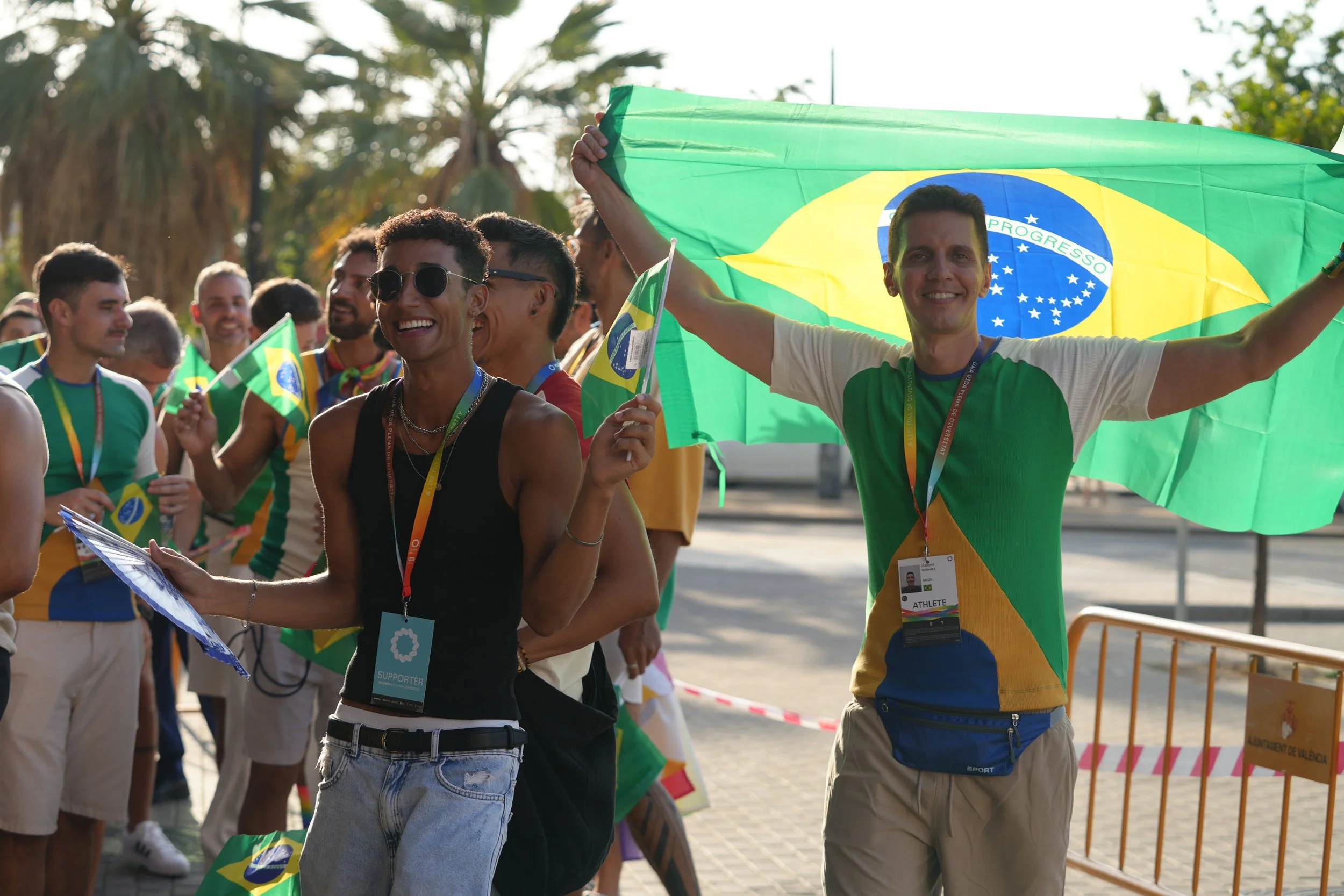
Gay Games XII València Opens with a Call for Greater Inclusion and Global Participation
Muholi Art Institute reports from the opening of Gay Games XII València 2026, exploring global participation, inclusion, representation, and LGBTQIA+ solidarity as the Games make their historic debut in Spain and the Mediterranean region.
Muholi Art Institute Heads to Valencia for Gay Games 2026
Muholi Art Institute will travel to Valencia, Spain, from 25 June to 6 July 2026 to cover Gay Games 2026 through photography, editorial storytelling, and behind-the-scenes coverage. The team will document the athletes, communities, cultural moments, and energy that define this global celebration of sport, pride, and belonging.
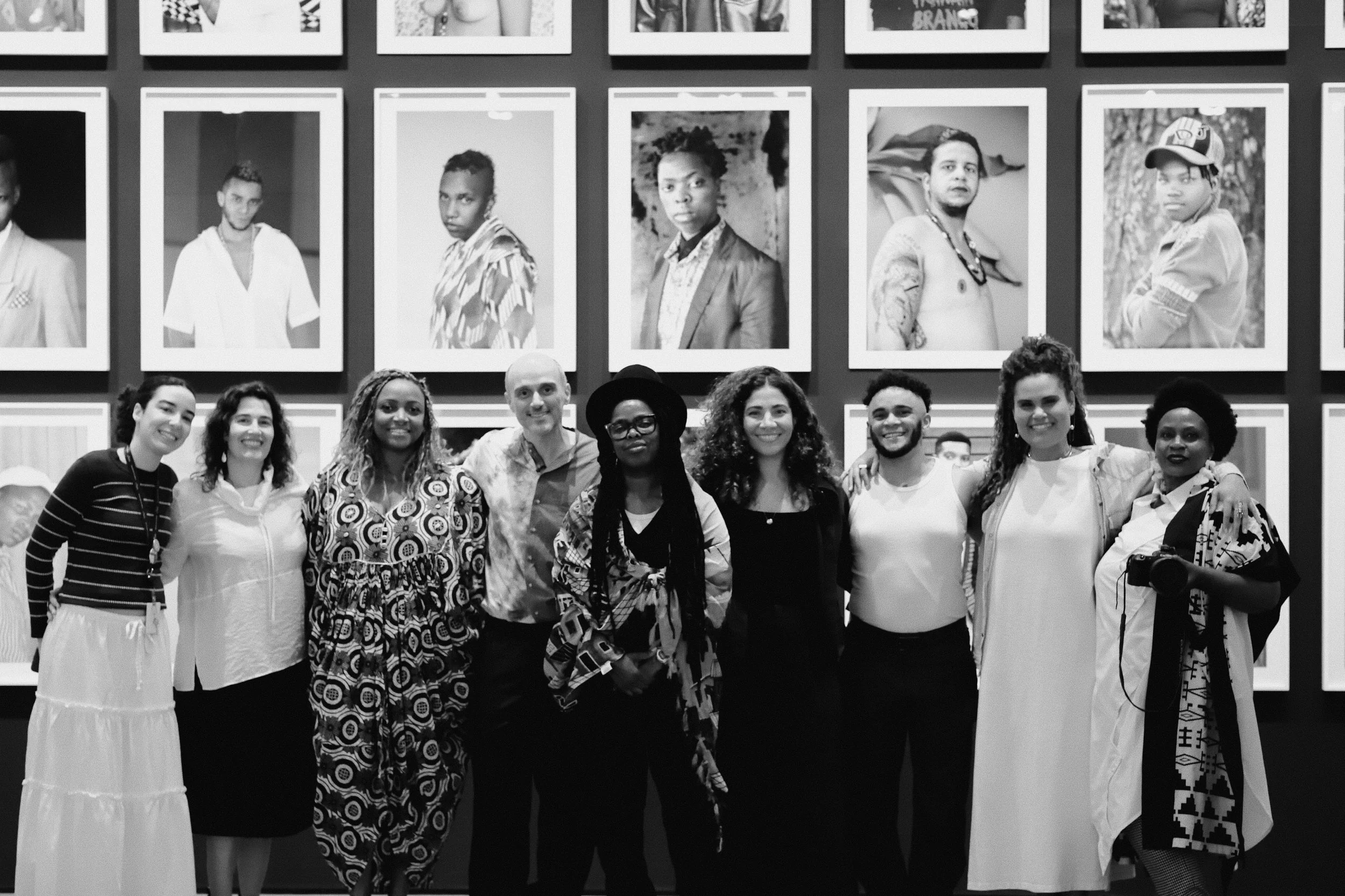
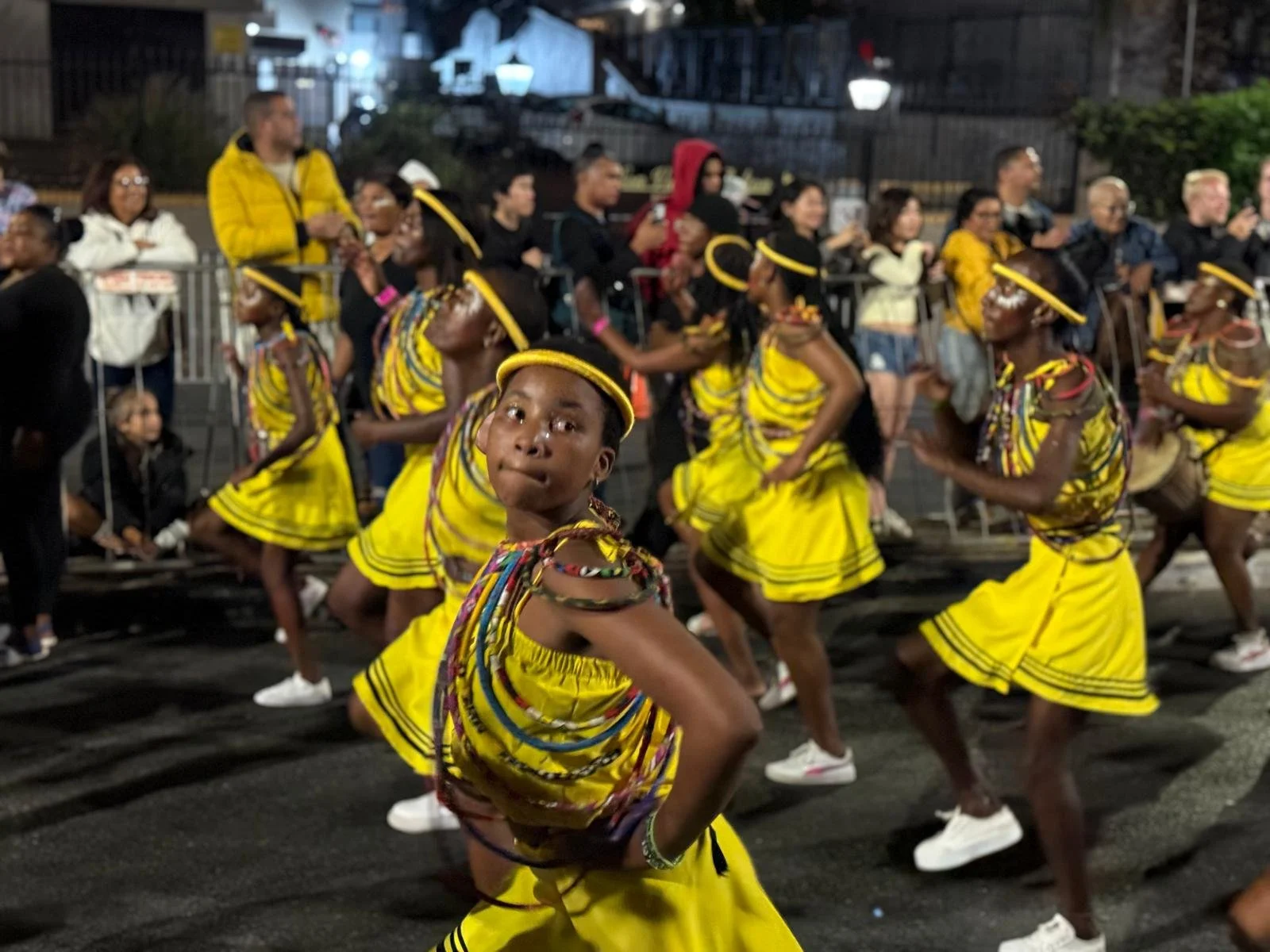
Let the Hands Speak: Brave Beauty in Rio
What does it mean to be seen on your own terms?
For two decades, South African visual activist Prof. Zanele Muholi has answered that question with a camera in hand, building a living archive of Black LGBTQIAPN+ life against centuries of erasure. This Pride Month, Brave Beauty brings over 100 photographs, self-portraits, and sculptural works to the Museu de Arte do Rio — fresh from its acclaimed run at IMS Paulista — and deepens the dialogue with new pieces created on Brazilian soil. Here, hands speak louder than words: they gesture, hold, welcome, and remember. More than a retrospective, this is a space of testimony, mourning, and defiant joy. Step into an exhibition where beauty is not decoration but courage, and every portrait is an act of insistence.
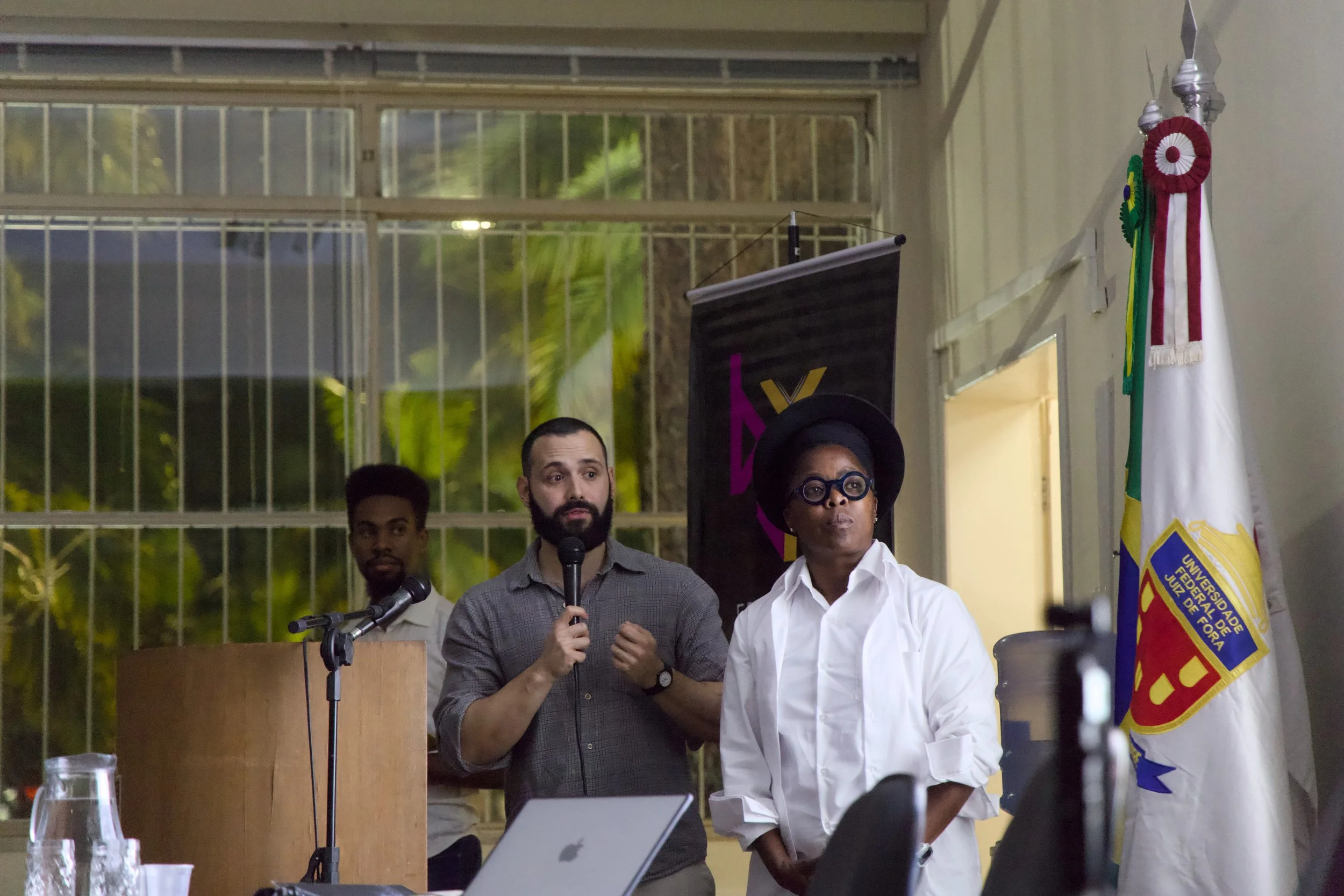
Photography and Fabulation: Zanele Muholi in Juiz de Fora
What does it mean to build an archive of those the world has tried to erase? At the Beyra Festival, Prof. Zanele Muholi offered an answer rooted in intention, community, and the responsibility to speak for those who can no longer speak for themselves.
On Seeing and Being Seen: Notes from the Venice Biennale
This reflection considers Venice not simply as host to the Biennale, but as a temporary ecosystem of artistic exchange, where questions of home, visibility, hospitality, and cultural belonging continually unfold.
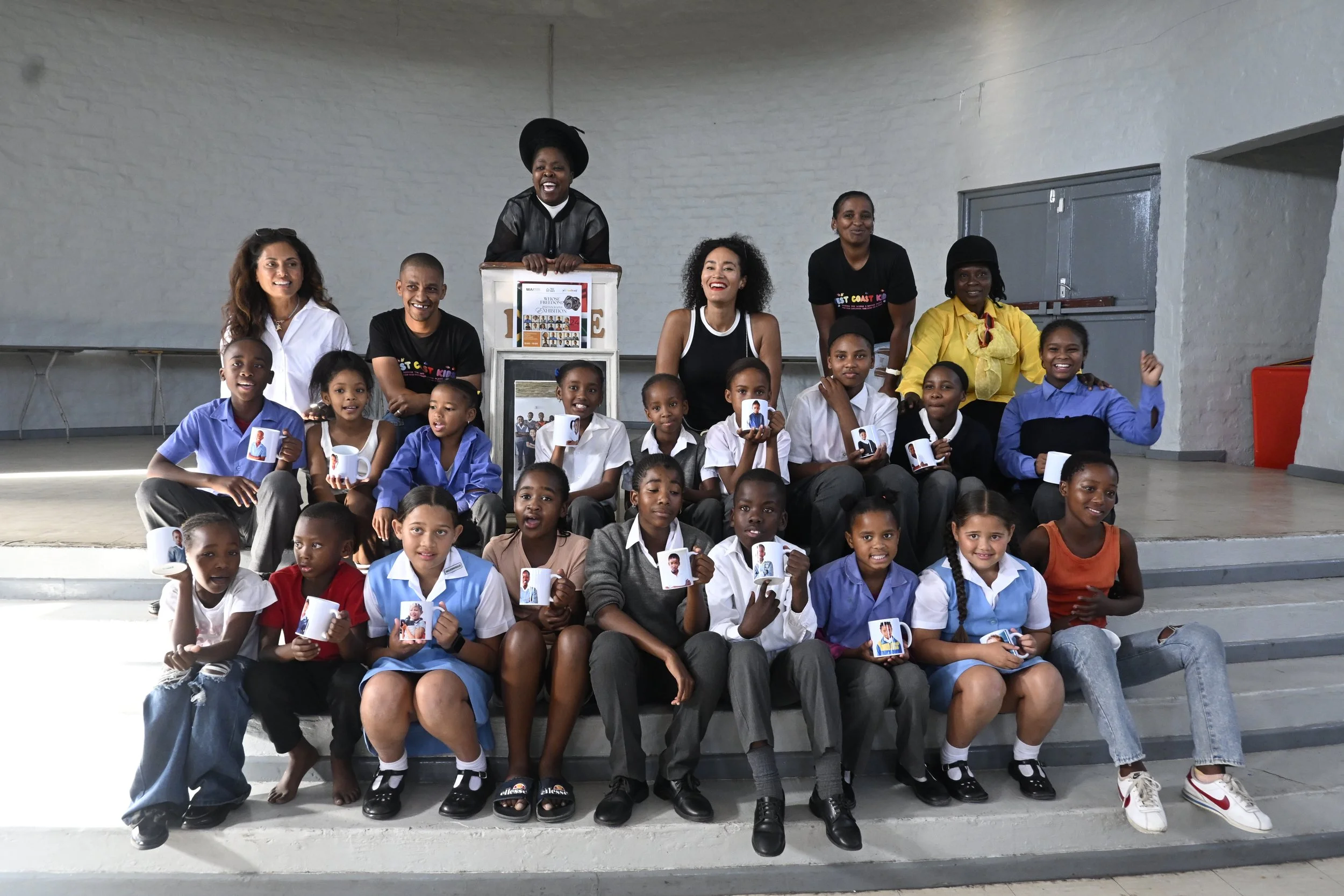
Thirty-Two Years Into Freedom Day: Whose Freedom?
Thirty-two years into Freedom Day, we remember how art and photography were silenced when they should have spoken loudest. In Paternoster, a different rhythm is rising. The Whose Freedom exhibition, born from MaseKhaya and West Coast Kids, placed cameras in children's hands - and with them, a voice no one can take. Because time is more valuable than money, and we made children, but how do we raise them if not by trusting them to document their own world? What unfolds is a decolonised curriculum, a methodology of love, a command to keep shooting and never stop. Freedom looks like small hands on a camera, a story told from the inside.
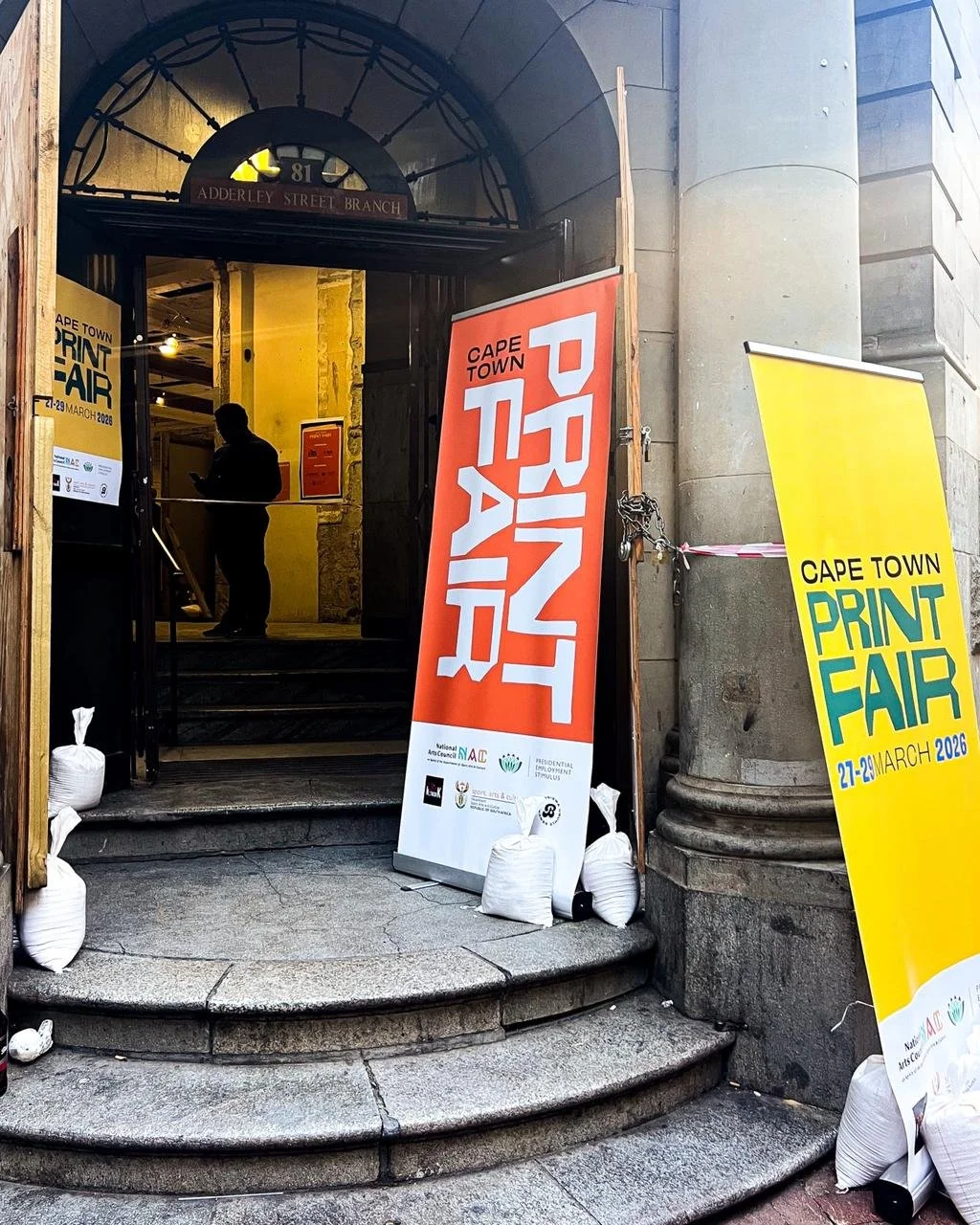
Building a Home for Print: Breeze Yoko and a New Cultural Movement, Cape Town Print Fair
From personal grief to collective possibility, Breeze Yoko’s inaugural Cape Town Print Fair transformed an empty city space into a living conversation about print, community, access, and the future of South African creative economies.
On Wings and the Permission to Begin Again: A Zoë Modiga Reflection
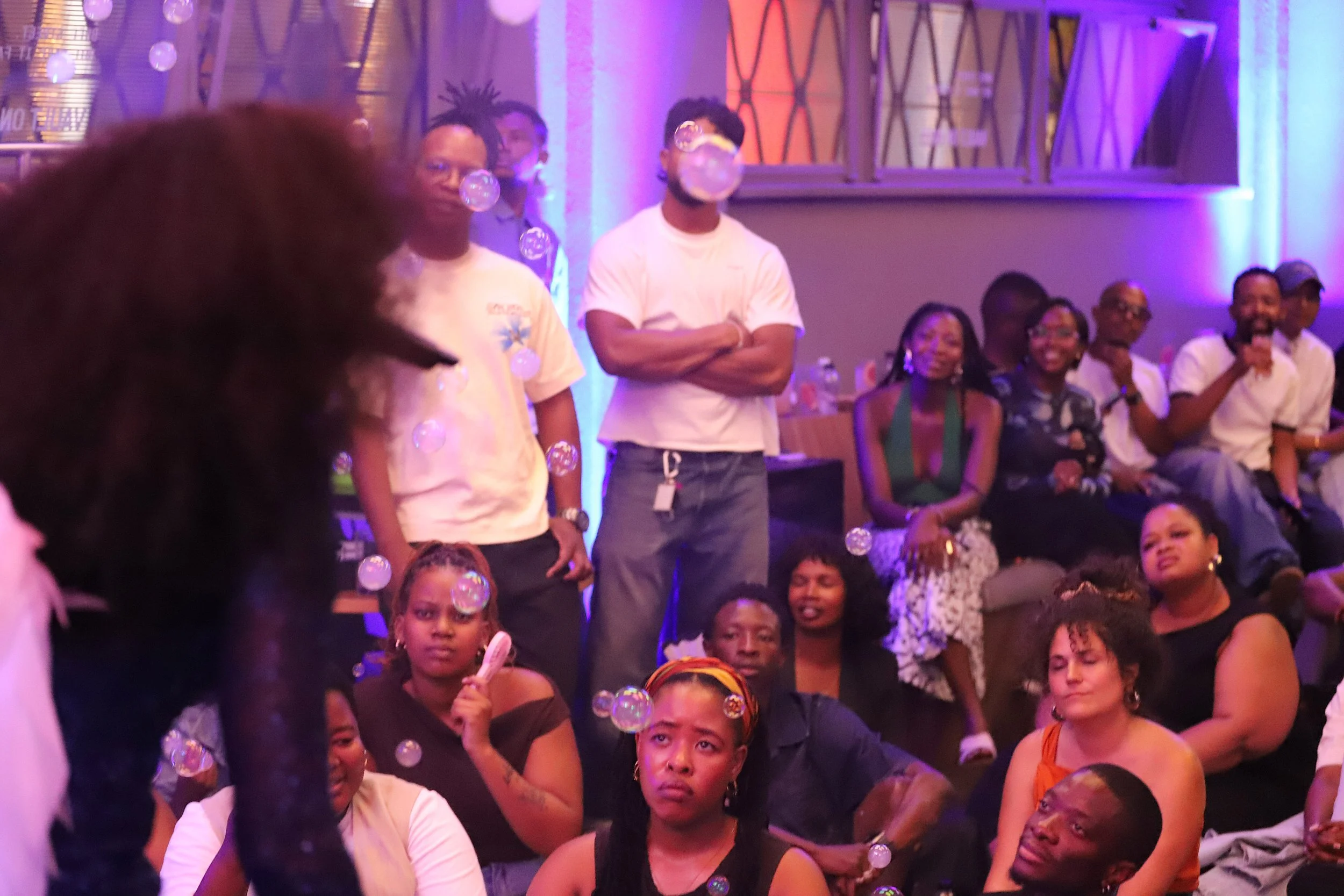
She wore heels that struck the concrete with a deliberate clarity, each step a punctuation. Bangles lined her arms, a soft chime of metal against metal, and from her shoulders rose a pair of wings. They were delicate, sculptural things, neither costume nor mere ornament but something in between: an extension of her, a declaration that she had chosen to arrive differently tonight. The wings caught the amber light, turning with her as she moved through the gathering, and the bubbles drifting past seemed to adjust their course around her, as though the air itself had learned a new choreography.
Celebrating Muholi: A Shared Moment of Recognition and Care
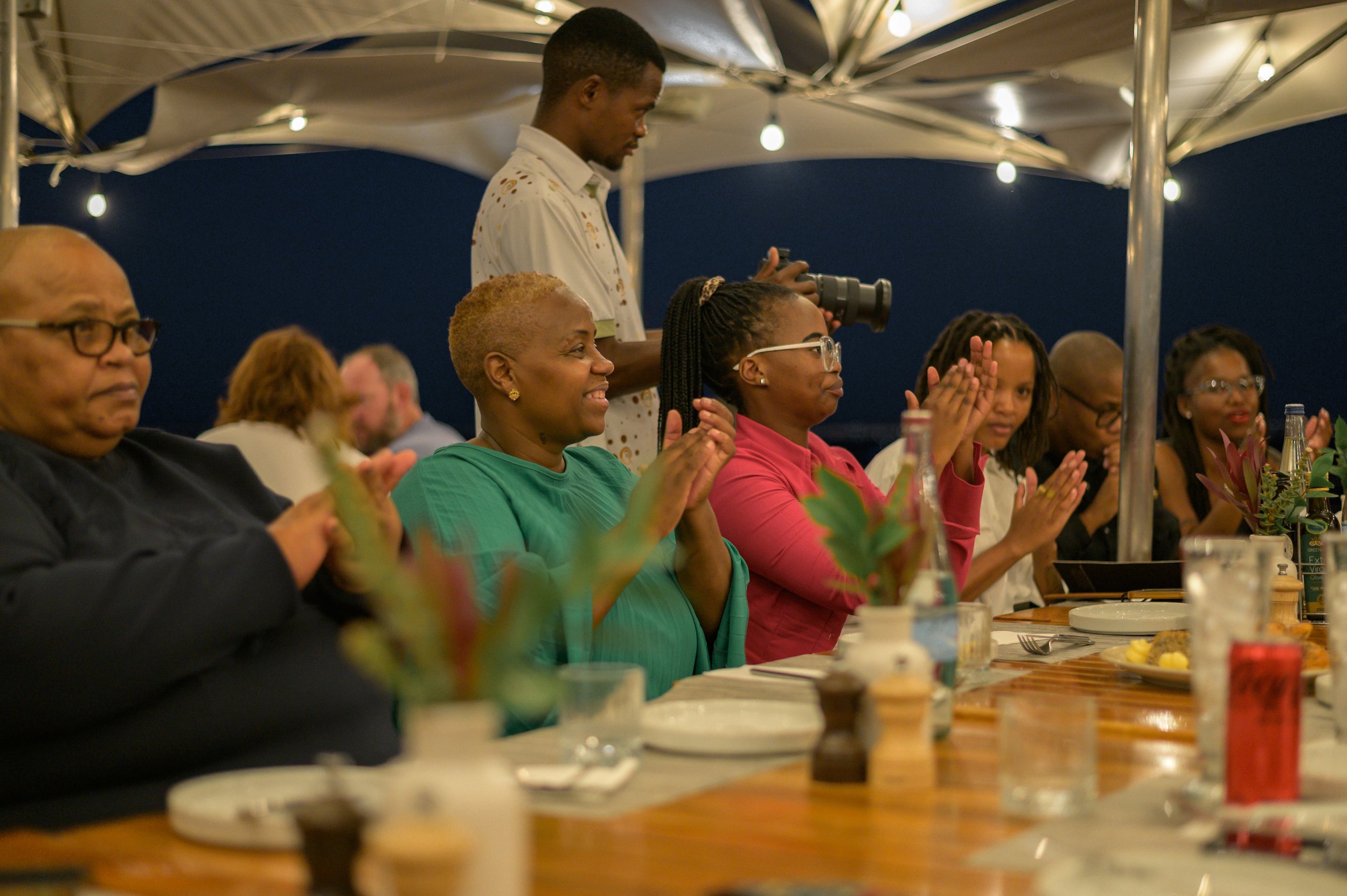
“You are the chosen one in your own fields, and now you are the chosen one in this village called home.” On 14 March 2026, the MAI team gathered at the Radisson Collection Hotel in Cape Town to celebrate Zanele Muholi — not only for their historic Hasselblad Award, but for the community they continue to build and hold.
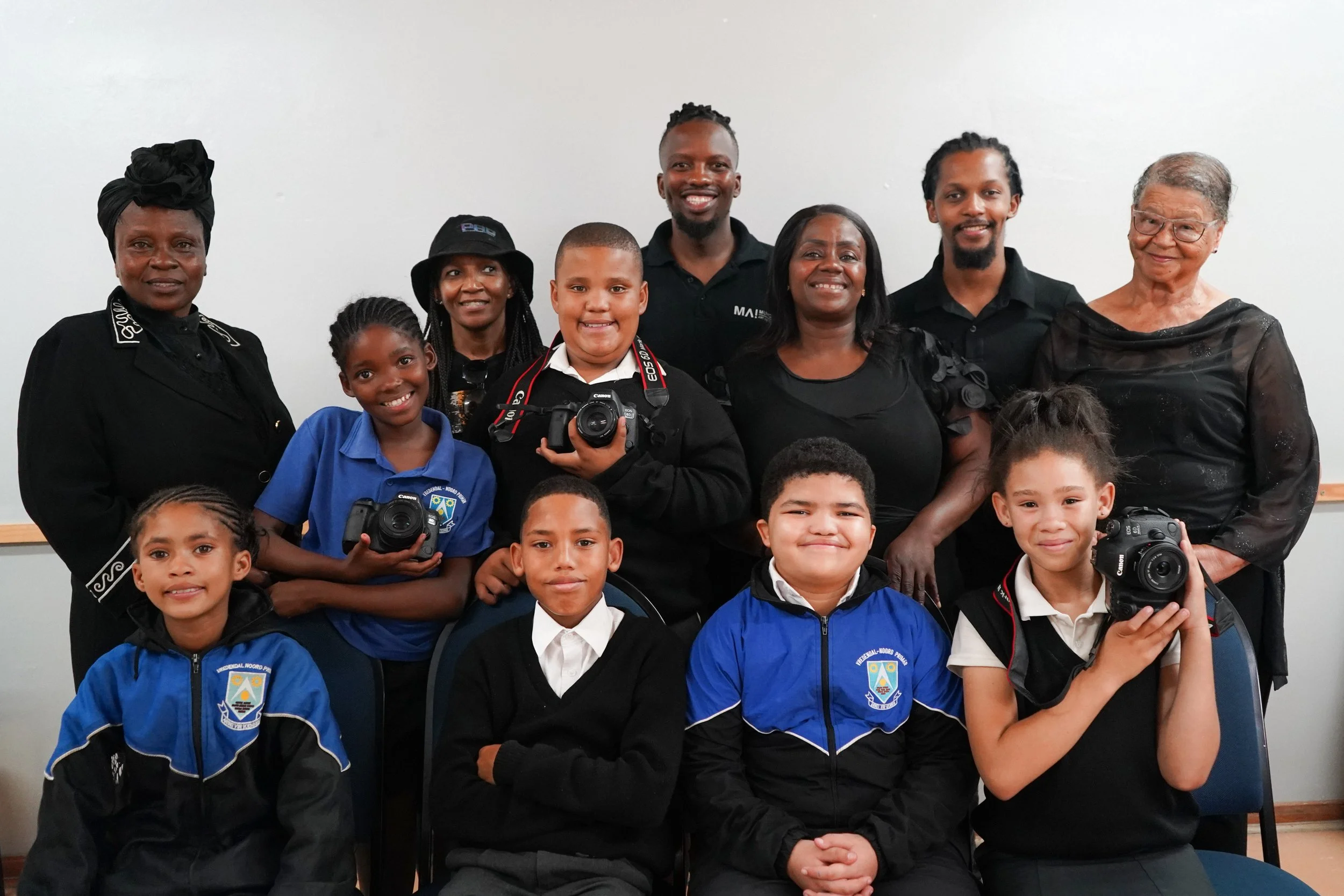
Photo XP Vredendal 2026: A 10-Day Journey in Storytelling
For ten days in March 2026, the Muholi Art Institute (MAI) brought its immersive photography programme, Photo XP, to the small town of Vredendal in the Western Cape. The journey began not with cameras, but with people — home visits, handshakes, and building trust within a community anchored by the beloved eighty-year-old founder of the Ray Swartz Foundation.
Guided by facilitator Lindeka Qampi, eight young learners from Vredendal Primary School explored the power of image-making as a tool for storytelling, identity, and self-expression. From creating handmade poetry booklets to mastering the rule of thirds and capturing moving self-portraits, the participants discovered that photography is about more than just taking pictures — it is about communicating personal stories and seeing their world through new eyes.
Read the full diary of the 5-day journey to see how respect, creativity, and visual storytelling unfolded in Vredendal.
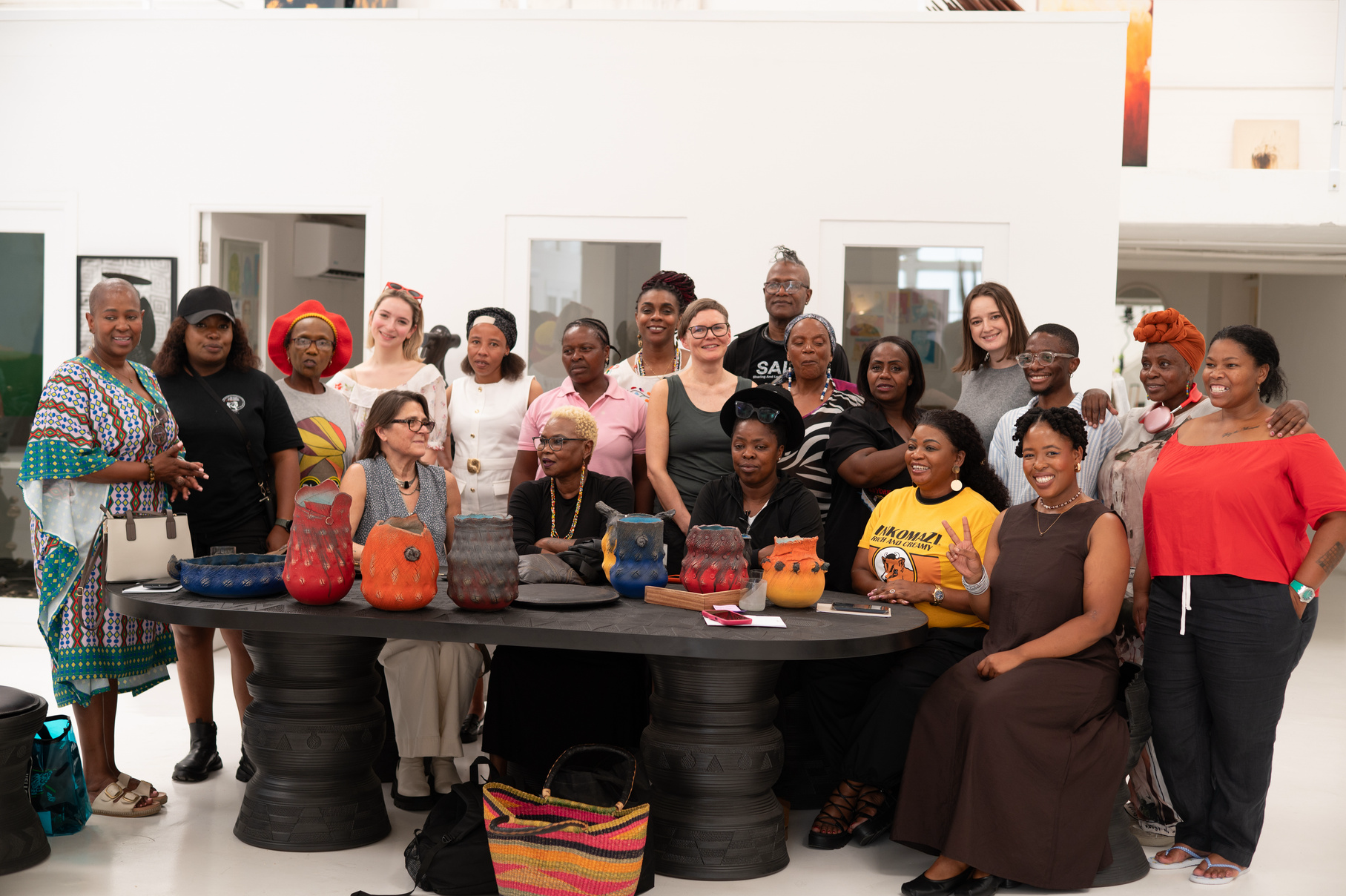
MAI AiR Cape Town 2026: Thirteen Days at the Heart of Things
There are some gatherings that are simply about showing up. And then there are gatherings where something quietly shifts — where a group of strangers becomes a collective, where a city stops being a backdrop and becomes part of the work itself. The MAI AiR Cape Town residency in February 2026 was the second kind.
For thirteen days, seventeen artists from four continents came together in Cape Town. We arrived with different practices, different histories. But somewhere along the way, something clicked. The city was not just where we stayed — it was what we worked with.