
Thirty-Two Years Into Freedom Day: Whose Freedom?
By Mpho Molefe
Reflections from the Whose Freedom Exhibition and PhotoXP in Paternoster
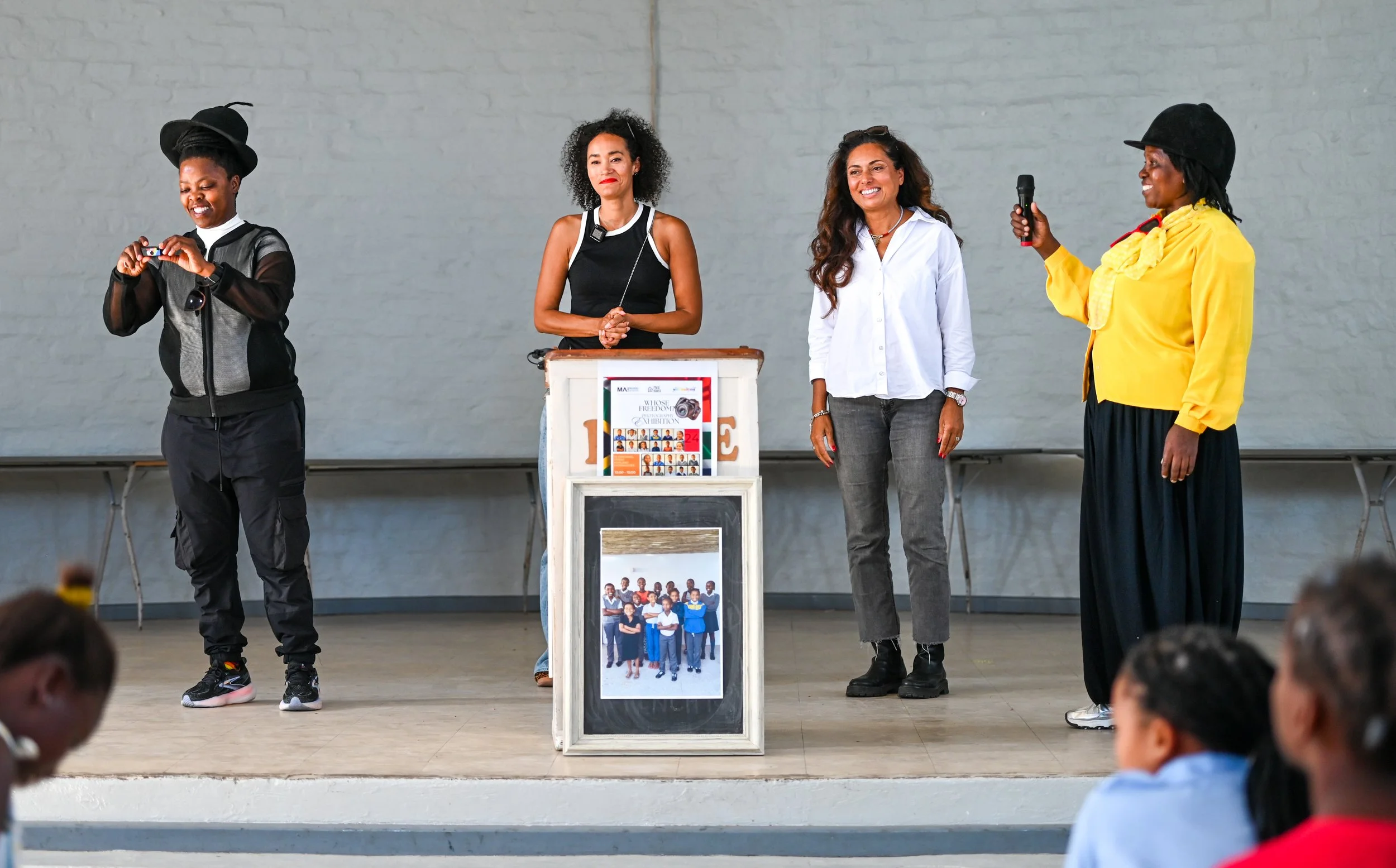
The Whose Freedom exhibition opened in Paternoster on 24 April 2026. Today, on 27 April, thirty-two years into South Africa’s democracy, that question still echoes with a quiet, persistent urgency: whose freedom? It’s a question that refuses to be answered by a constitution alone. It lives in the texture of everyday life - in who gets to speak, who gets to be seen, and who gets to shape the story. And here, in a coastal town where the Atlantic breathes against the shore, the question finds a profound and tender home.
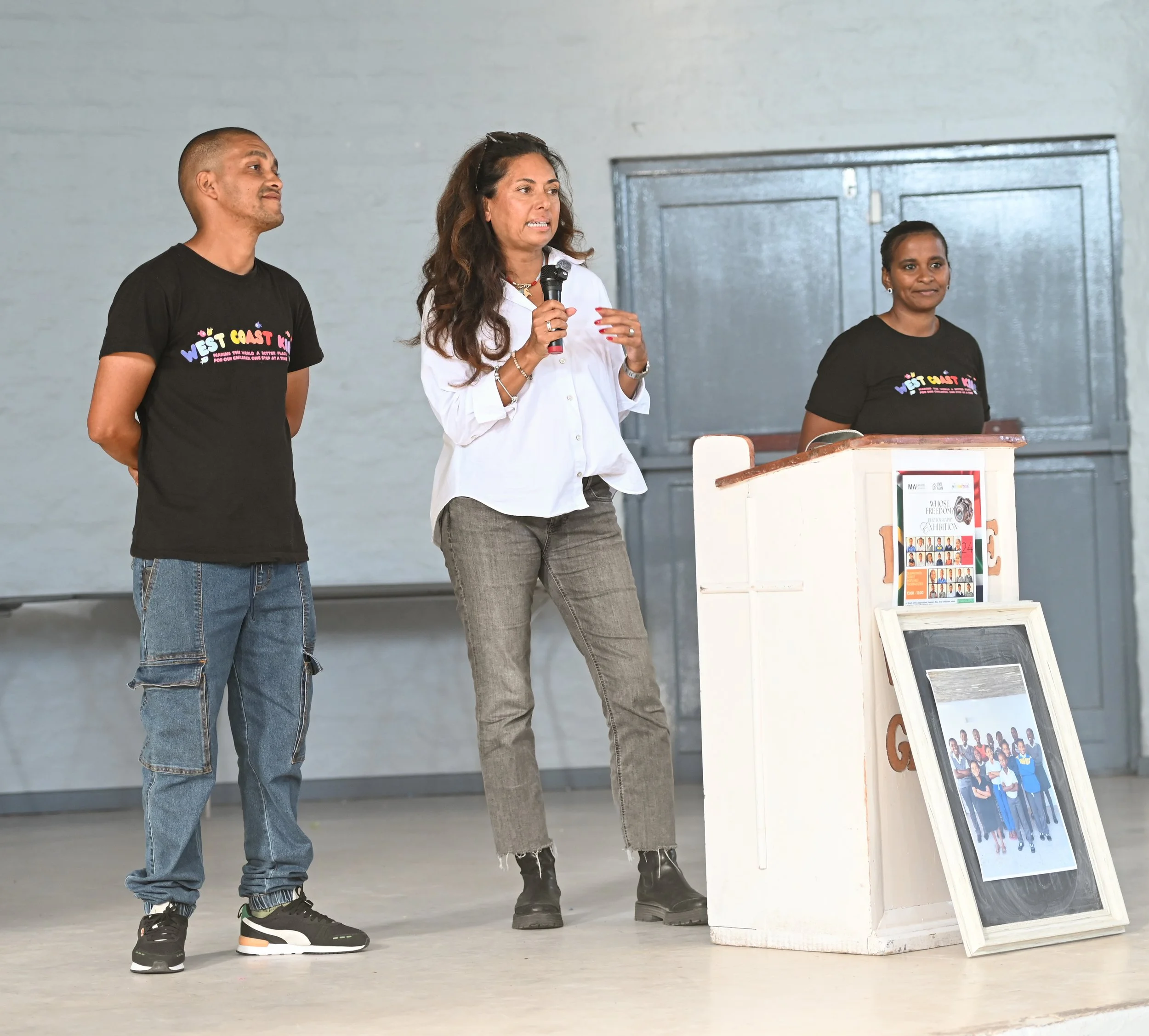
Born from a collaboration with MaseKhaya and West Coast Kids, the PhotoXP methodology introduced young learners to photography, not only as a skill, but as a way of seeing. What began as a three-week learning journey arrives at this moment of sharing, yet its impact extends far beyond today. Over those weeks, something quiet and revolutionary took root: children who might otherwise be told to wait, to listen, to be shaped by a curriculum that never asked who they are, were instead given tools of authorship. Cameras. Trust. Space. And what emerged was not just a collection of images, but a living archive of freedom in practice. A decolonised way of learning that doesn’t pour knowledge into a child, but draws presence out of them. A hidden curriculum that says: you are already whole. Now, show us the world as you see it.
What the Children Saw
Turning their attention to everyday life, the young photographers photographed their homes, their families, the ocean, their friends, and the spaces they move through each day. Through this process, they began to understand how images can hold meaning, carry memory, and tell stories. Each photograph is thoughtful and personal, shaped by what they notice, what they feel, and what matters to them. Together, these works form a collective portrait of Paternoster, seen through young eyes - honest, intimate, and deeply felt.
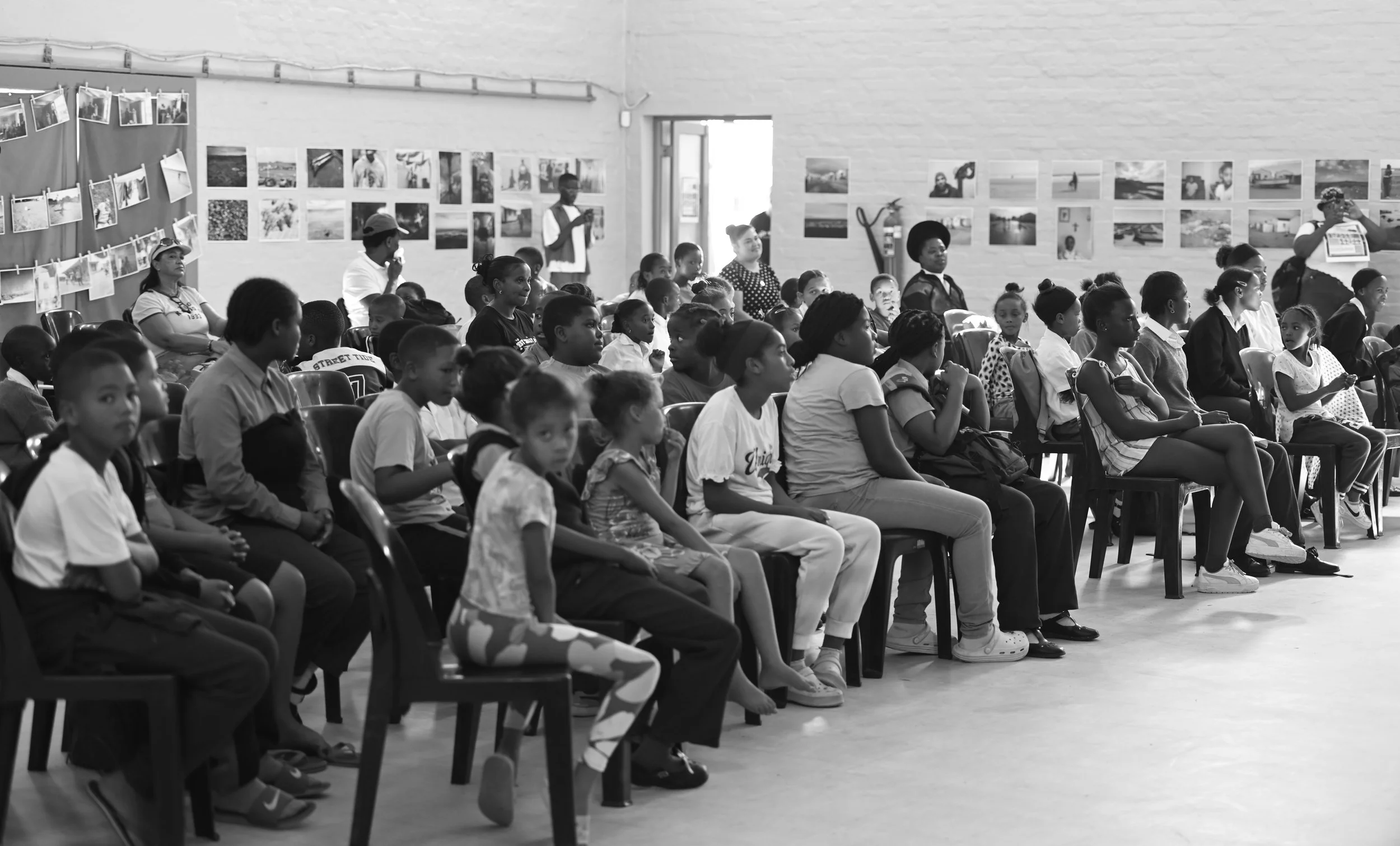
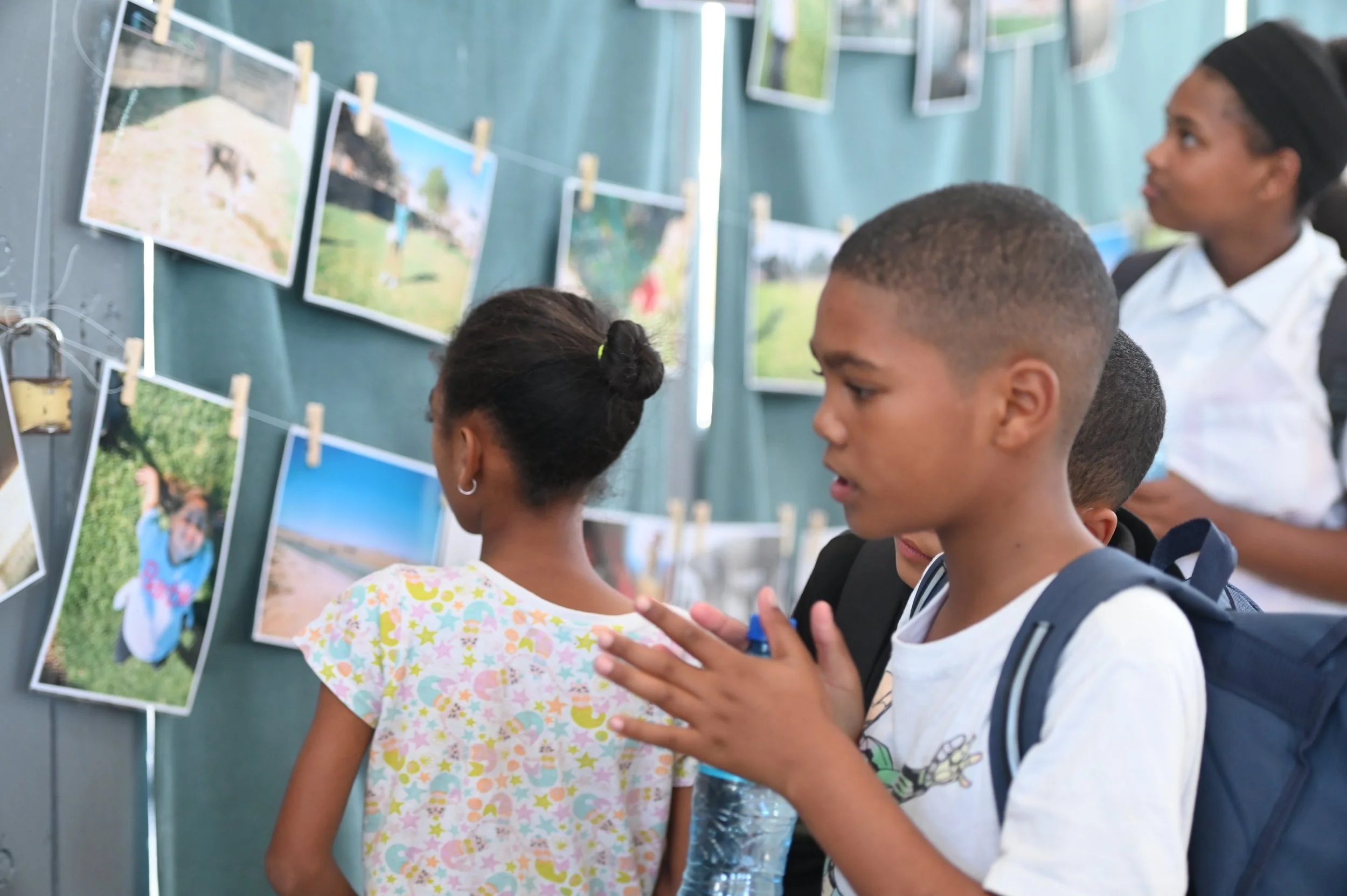
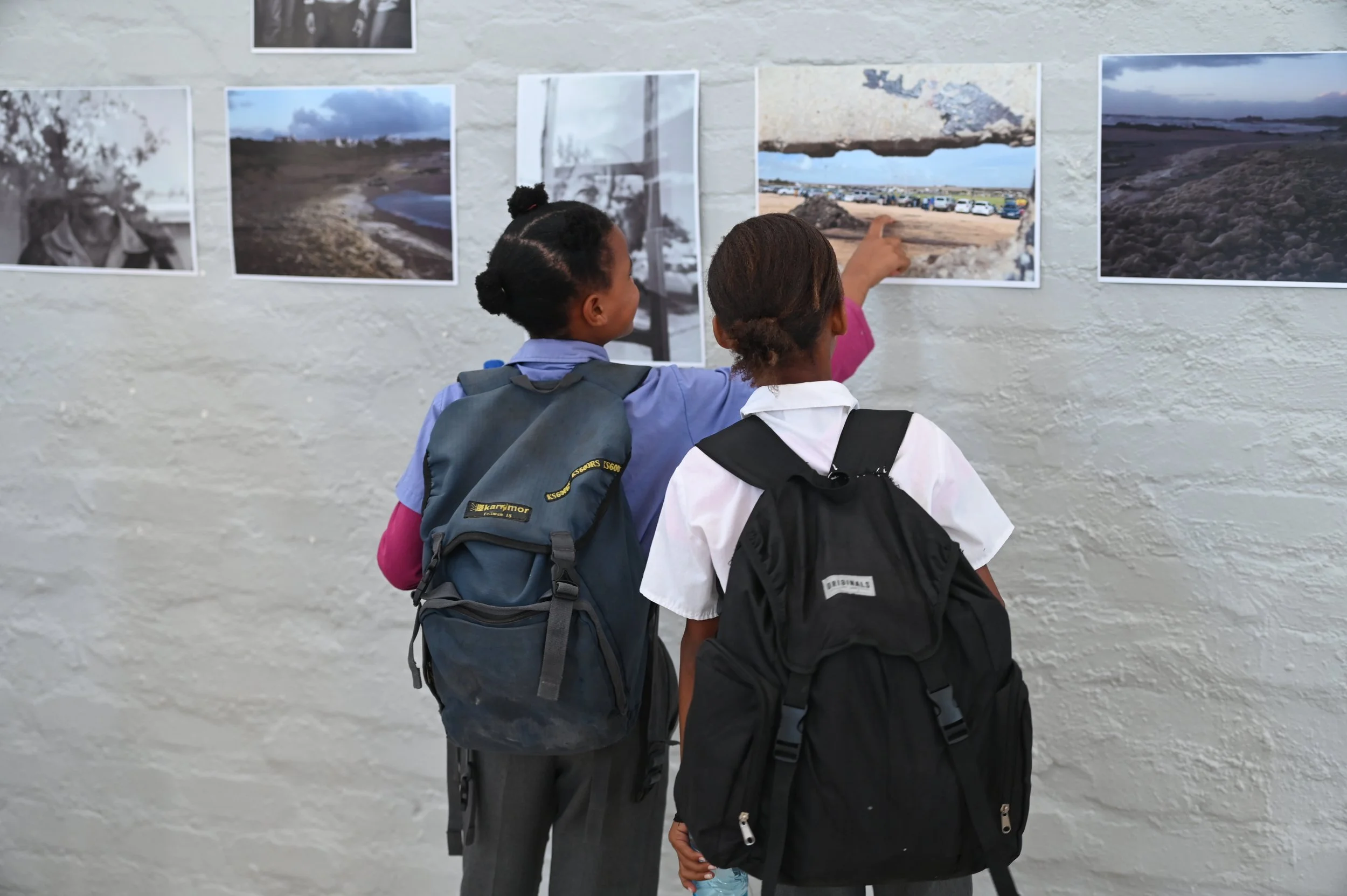
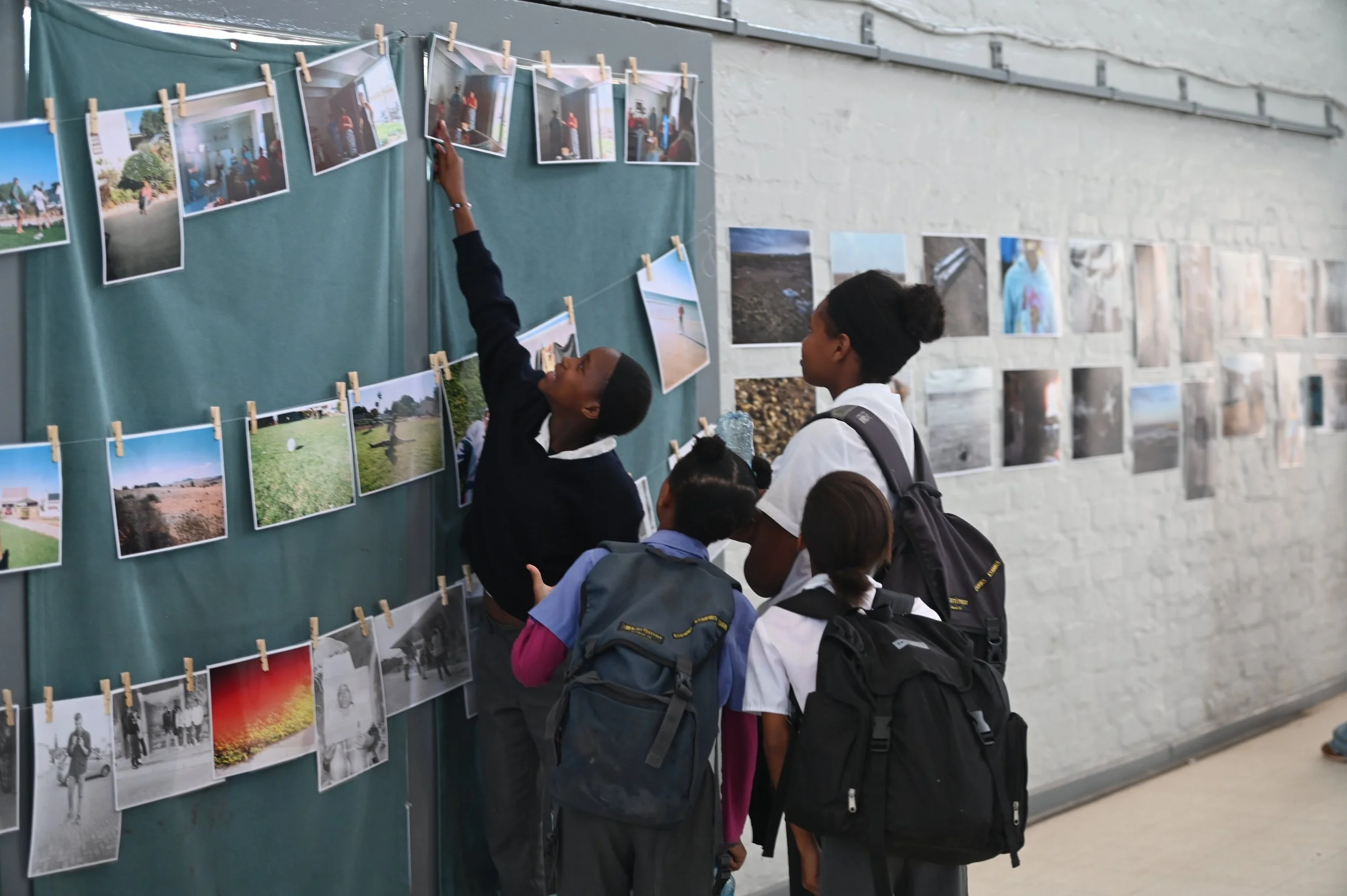
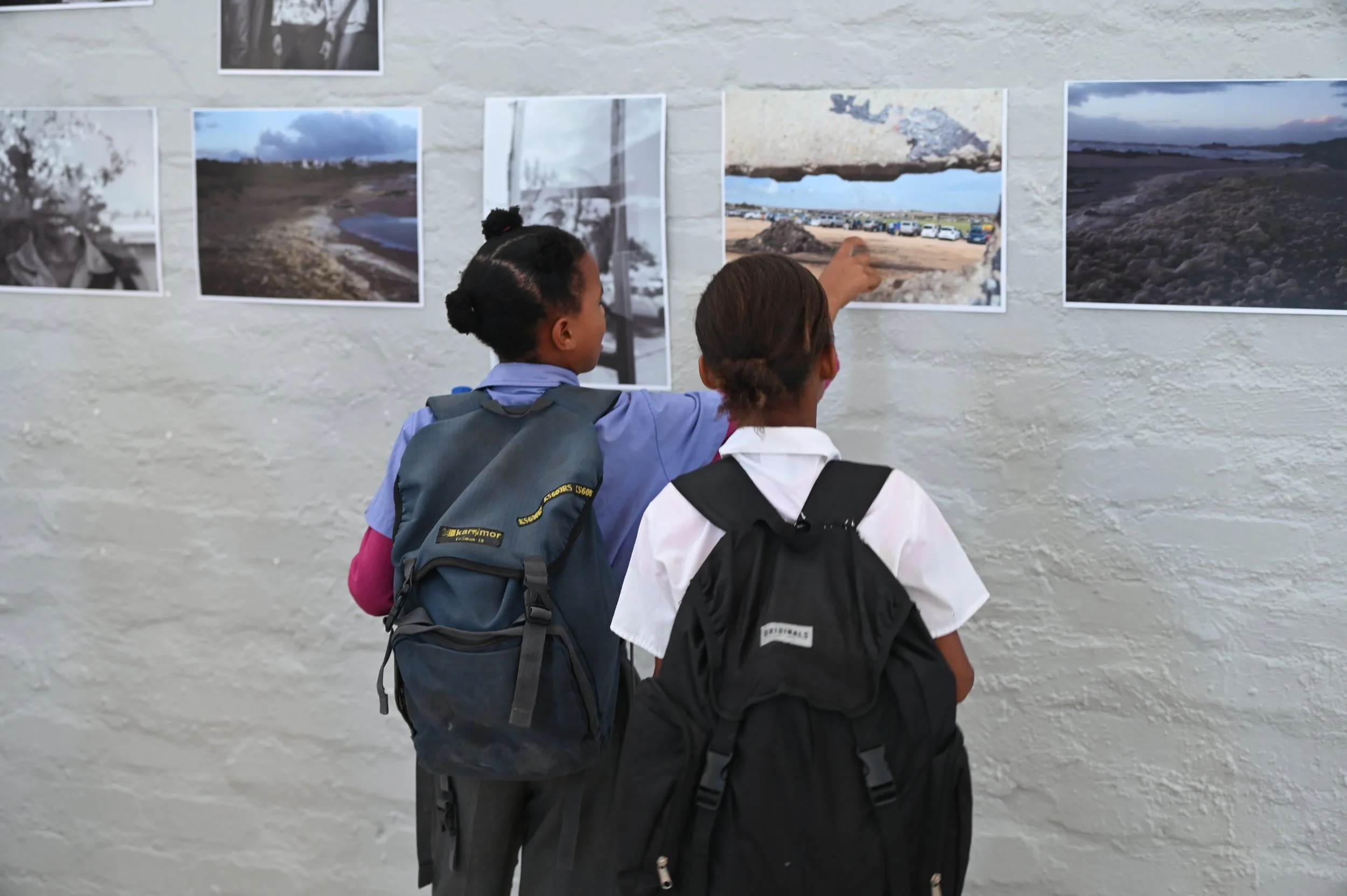
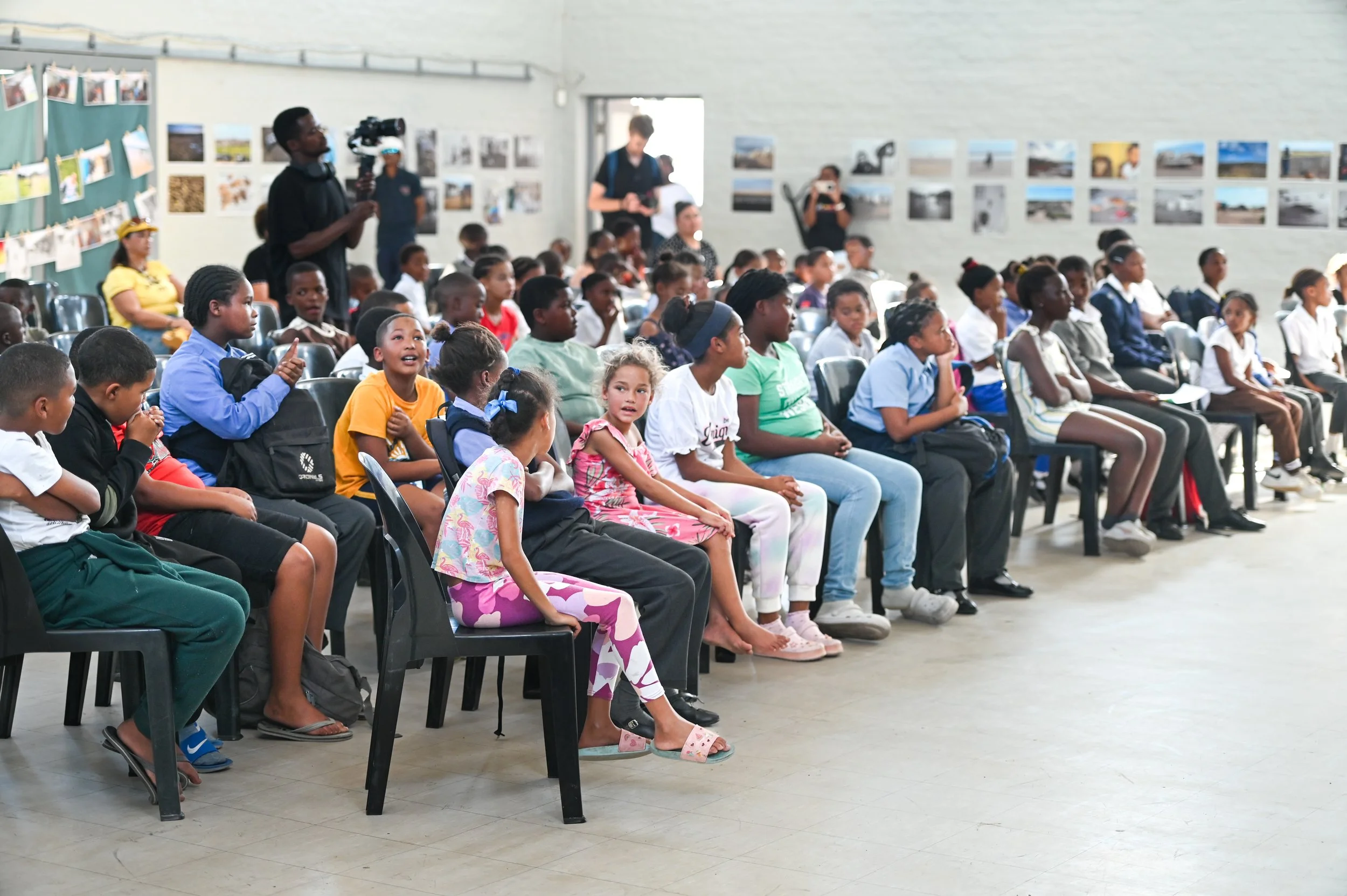
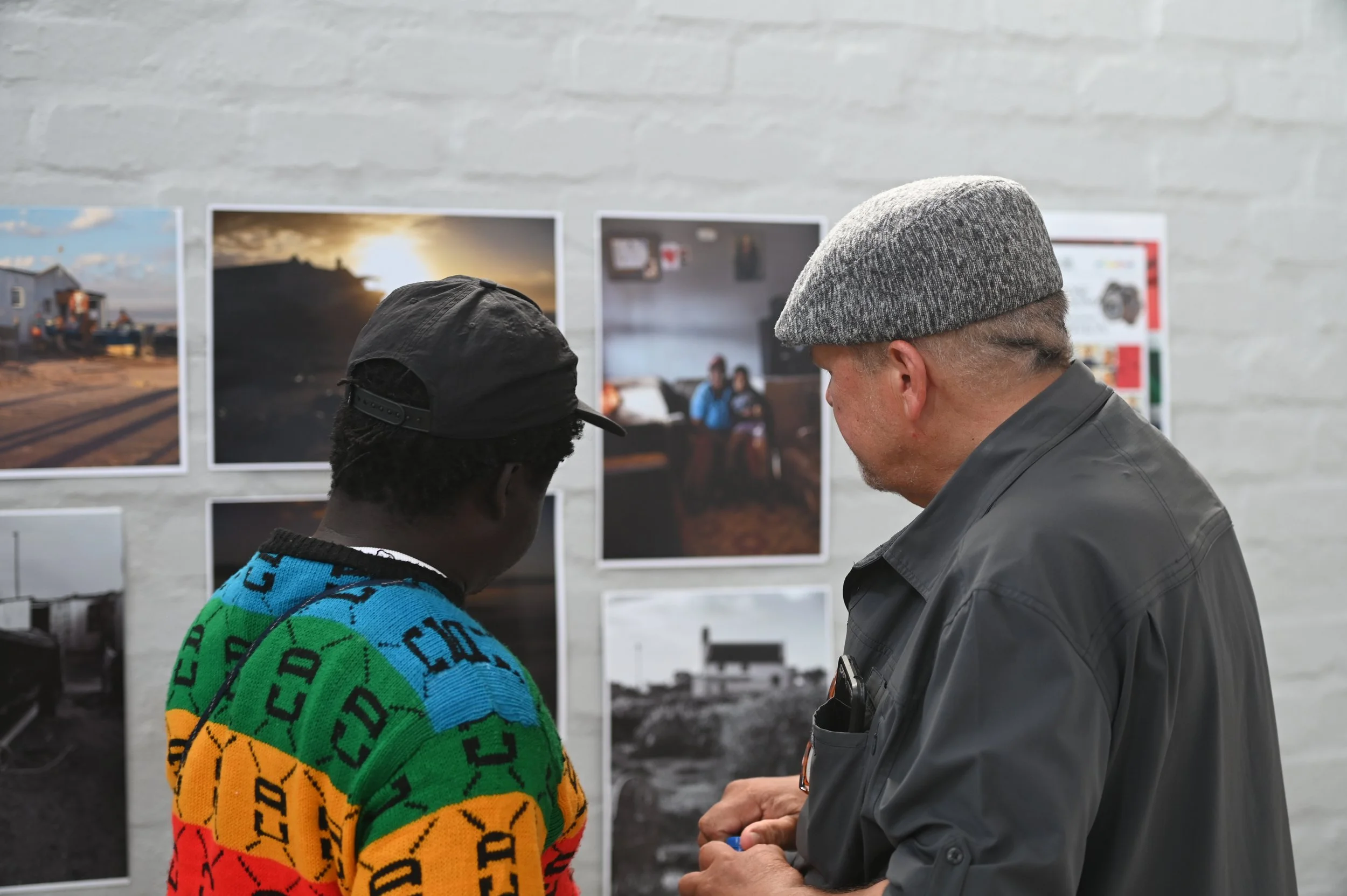
This is photography, yes, but it is also activism, anthropology, and care. When a child picks up a camera, something shifts. The lens becomes an extension of the eye, and the shutter a declaration: I was here. This mattered to me. Photography, in this sense, insists that a child’s point of view belongs in the public record. It is anthropology, because it captures culture from the inside. And it is care, because it says to that child, you are worthy of documentation, and so is everything you love.
Time and the Raising of Children
Jo-Ann Strauss, whose words have become an anchor for this work, leaves us with two teachings that refuse to part ways. The first is a gentle but radical recalibration of value: “Time is more valuable than money. You can always get money, but you can never get time.” In a world that measures worth in wealth, Strauss measures it in presence. And PhotoXP, at its core, is an offering of time - the slow, unhurried kind where a child learns to frame, to wait for light, to look again. It is time that cannot be bought back once it is gone, and to gift it to a child is to say: you are worth my irreplaceable hours.
Her second teaching lands with the weight of a lifetime: “We made children, but how do we raise children?” It is a question that dismantles passivity. Making children is biology; raising them is a moral project. It is a question about what we pass on, and what we make space for. In the context of PhotoXP, raising children means giving them more than instructions. It means giving them the means to author their own narratives, to build confidence not from applause but from the quiet, internal knowledge that I know I can do this. To raise a child in this way is to raise a free person.
Love as the Foundation
Simone Jacke, whose spirit runs through the fabric of this programme, offers two truths that are deceptively simple and utterly complete. “Everything is possible,” she says, and in the context of a child discovering their own creative agency, it becomes a prophecy. When you have never been told your voice counts, the realisation that you can make an image that stops someone in their tracks is the discovery that possibility is not abstract - it is held right there in your own two hands.
And then she deepens it further: “We can offer everything [in the hotel], but everything is love.” She is talking about hospitality, but the words resonate far beyond a building. The most we can ever really offer another human being is love. A camera without love is just equipment. A curriculum without love is just control. What PhotoXP offers is not just technical skill - it is the unmistakable, transformative feeling of being seen through loving eyes.
A Decolonised Methodology
Dr Lydia Plaatjies, an educator and thinker whose clarity cuts through noise, looks at PhotoXP and refuses the language of charity or intervention. Instead, she names it precisely: “This isn’t a problem, this is a methodology.” The distinction matters. A problem implies a deficit in the children. A methodology implies a deficit in the system. PhotoXP flips the lens. It is not fixing children; it is offering an alternative way of learning that the formal system rarely allows.
She speaks of the hidden curriculum embedded in this work - the one that teaches a child they are an authority on their own life. “Explore without any boundaries, the world through their own eyes,” she says. This is learning freed from the colonial impulse to name, categorise, and rank. This is learning as movement, as curiosity, as claiming. “PhotoXP is a decolonised curriculum,” Dr Plaatjies insists, and when you watch the children photograph themselves, you understand why. They are not objects of study but active theorists of their own existence. And in that process, something profound is restored: “We are all just human beings, and all we need is love, and for someone to see us.” Decolonisation, at its deepest level, is the act of seeing another person fully. It is the refusal to look past, to extract, to define. It is love made structural.
Keep Shooting, Keep Sharing
Lufuno Ramadwa’s voice cuts through like a drumbeat. “Keep shooting. Keep sharing your stories. Do not stop.” There is an urgency here that honours the fragility of narrative. Stories die easily when they are not carried. They are erased by louder voices, by indifference, by time itself. Lufuno’s call is a call to persistence, to the daily practice of making yourself visible in a world that would happily render you invisible. This is not just advice for children; it is a mandate for a generation. Keep shooting means keep existing. Keep sharing means keep connecting. Do not stop means that freedom is not a destination but a continual act of refusal.
The Camera Has No Age
Then there is Prof Zanele Muholi, whose presence in this space is both a grounding and an ignition. They remind us with a kind of tender authority: “A camera is a camera, it has no age.” In that sentence, the hierarchy of adulthood collapses. The tool does not ask for a birth certificate. It simply responds to the eye behind it. When children are told they are too young to make art, to speak, to mean something, Muholi’s words are a gentle but firm unbinding. A camera has no age, and neither does vision.
Muholi also carries the weight of testimony: “Photography saved me.” There is a full life history in that single phrase—one that speaks to survival, to visibility, to the redemptive power of making one’s own image on one’s own terms. It is this experience that they channel into the responsibility of teaching. At the Whose Freedom exhibition, the children photographed themselves under the quiet, steady guidance of Lindeka Qampi, a practice that goes beyond selfie culture into something deeper: self-archiving as self-knowledge. Muholi notes that through this experience, the children are “teaching the kids responsibility early.” Responsibility for the equipment, yes, but also responsibility for the image, for the story, for each other.
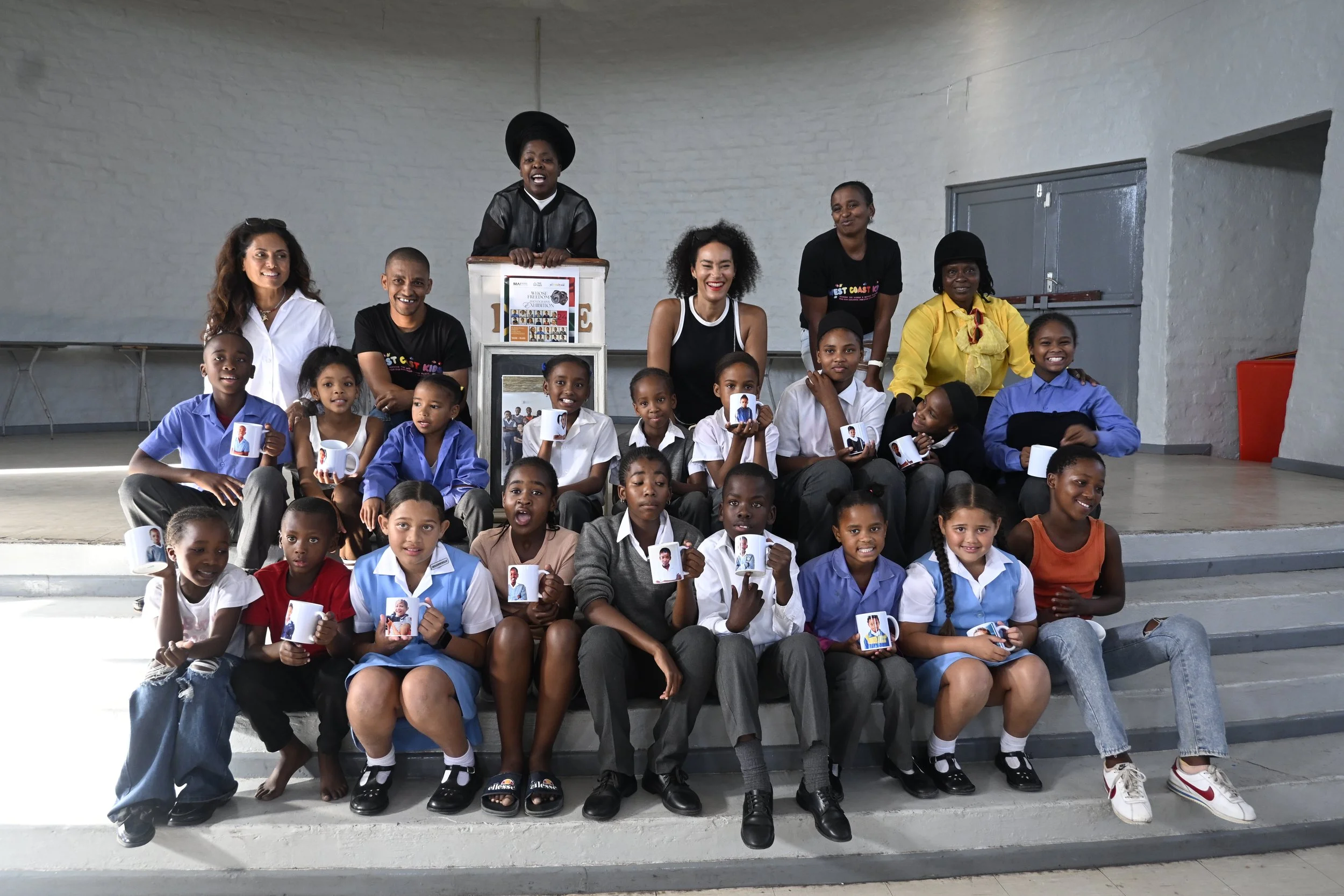
Muholi’s voice deepens into a plea and a principle: “Division is unnecessary. Let the children play, innocently. Give them cameras. We have a responsibility to teach the children.” The call to let children play innocently is not naivety—it is a radical political stance against a world that forces adult burdens onto young shoulders far too early. To give them cameras is to give them a tool to shape and protect their own innocence, to document joy before the world tries to complicate it. And finally, a quiet, steadfast commitment: “We don’t only just teach, but we do our own research.” This is the mark of a practice that is alive, humble, and always becoming. It means that those who facilitate PhotoXP are also learning - from the children, from the process, from the images. There is no expert here, only a collective of human beings walking together, lenses open.
Archiving Freedom
So, on this Freedom Day, thirty-two years in, what does freedom look like? It looks like a child’s hands wrapped around a camera. It looks like the deliberate choice to frame a friend, a sky, a piece of home. It looks like the quiet pride of an image printed and displayed in an exhibition called Whose Freedom, and the deeper understanding that the answer is not just a word but a face, a community, a generation. It looks like a methodology of love, hidden in plain sight, decolonising learning one photograph at a time.
The Whose Freedom exhibition opened two days ago, but the work it celebrates began three weeks ago—and will continue long after the prints are taken down. Born from a collaboration with MaseKhaya and West Coast Kids, the PhotoXP methodology has introduced young learners to photography as a way of seeing. They turned their attention to everyday life: homes, families, the ocean, friends, the spaces they move through each day. Each photograph is thoughtful and personal, shaped by what they notice, what they feel, and what matters to them. Together, these works form a collective portrait of Paternoster, seen through young eyes—honest, intimate, and deeply felt.
Here’s to 32 years of Freedom Day. And here’s to the children who are archiving their own freedom, one frame at a time, teaching us that time given is never wasted, that love truly is everything, and that the stories we keep shooting, keep sharing, and refuse to stop telling are the truest measures of a nation’s liberation.
PhotoXP continues to work at the intersection of visual activism, photography anthropology, and decolonised education, guided by the wisdom of its community and the unshakeable belief that every child deserves authorship over their own story. This exhibition was made possible through a collaboration with MaseKhaya and West Coast Kids, with deep gratitude to all the young photographers of Paternoster.
