
Let the Hands Speak: Brave Beauty in Rio
By Dr Lydia-Anne Plaatjies
On the evening of 12 June 2026, during Brazil’s national Pride Month, South African visual activist Prof. Zanele Muholi inaugurated Brave Beauty (Beleza Valente), a solo exhibition of over 100 photographs and self-portraits spanning two decades, at the Museu de Arte do Rio (MAR) — a port zone that once received millions of enslaved Africans and now pulses with Afro-Brazilian cultural resilience. Curated by Daniele Queiroz, Thyago Nogueira, and Ana Paula Vitorio, and documented on the night by photographer Lindeka Qampi and Dr Lydia-Anne Plaatjies, the exhibition places Muholi’s defiant archive of Black LGBTQIAPN+ life in direct dialogue with Rio’s layered histories of race, resistance, and queer experience. Through collaborative portraiture, uncompromising self-representation, and an opening programme that paired a seminar on LGBTQI+ visual culture with a performance by singer Azula, Brave Beauty answers the question at the core of Muholi’s mission: how to build a visual record that refuses erasure and insists on being seen.
Following a celebrated and critically acclaimed run at Instituto Moreira Salles – IMS Paulista in São Paulo, Brave Beauty (Beleza Valente) opens a new chapter at the Museu de Arte do Rio, bringing the defiant visual activism of one of South Africa’s most urgent artistic voices into direct conversation with the city’s own layered histories of race, resistance, and queer life. Inaugurated on the evening of 12 June 2026, during Brazil’s national Pride Month, the exhibition gathers more than 100 photographs, and self-portraits that span two decades of Muholi’s uncompromising career. The move from São Paulo to Rio is not a simple transfer of artworks; it is a geographical and symbolic deepening, placing Muholi’s archive of Black LGBTQIAPN+ presence at the edge of Guanabara Bay, in a port zone that once received millions of enslaved Africans and today pulses with the cultural resilience of the Afro-Brazilian diaspora.
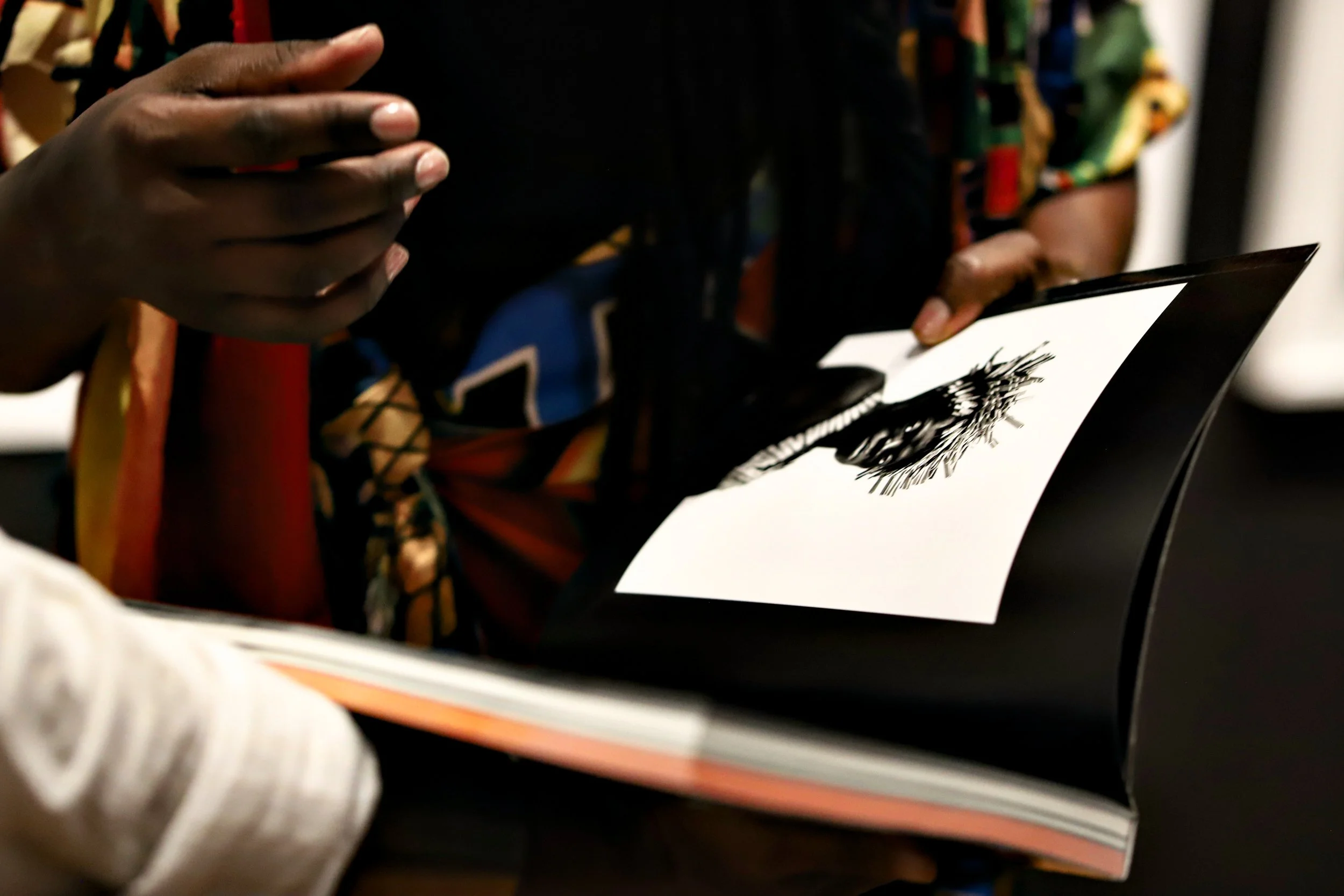
A page from a book open to an image from Somnyama Ngonyama, photographed by Dr Lydia-Anne Plaatjies at the opening of Brave Beauty, MAR, 12 June 2026.
A Living Archive of Courage and Dignity
Curated by Daniele Queiroz, Thyago Nogueira, and Ana Paula Vitorio, Brave Beauty traces Muholi’s practice from its earliest roots in the townships of South Africa to the artist’s most recent encounters with Brazil. The exhibition brings together tender collaborative portraits, starkly beautiful self-representations, and objects freighted with symbolism – clothespins, rubber gloves, traditional Zulu headdresses, and found materials that speak to labour, ritual, and survival. Throughout, the camera functions not as a passive recording device but as a tool of witness, a weapon against erasure, and an instrument of collective memory.
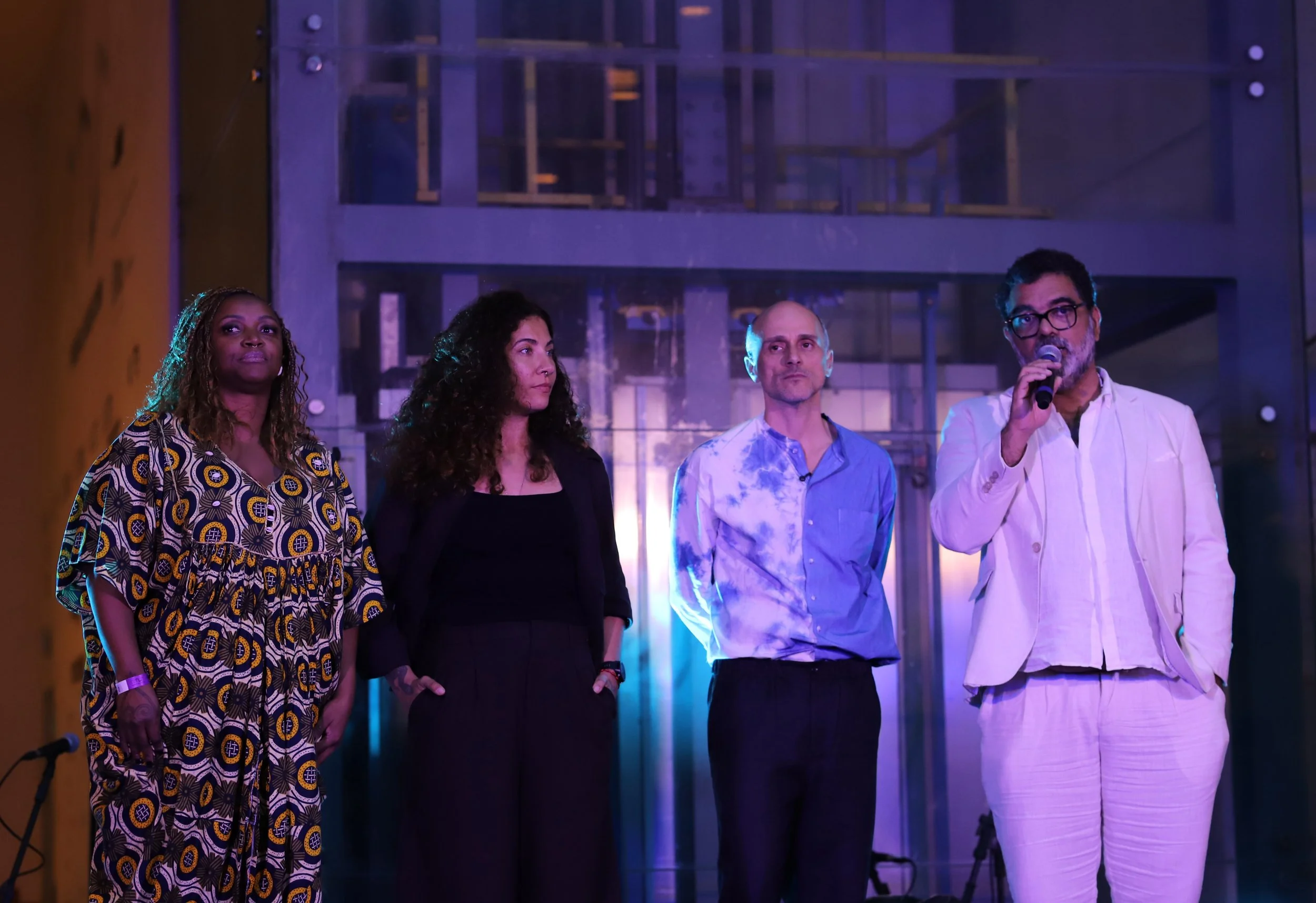
Curators Ana Paula Vitorio, Daniele Queiroz, Thyago Nogueira, and Chief curator of MAR, Marcelo Campos. Photo: Dr Lydia-Anne Plaatjies.
At the heart of the exhibition lies Faces and Phases, the ongoing series Muholi began in 2006 and has continued ever since. Comprising more than five hundred black-and-white portraits, the project documents the lives of Black lesbian, transgender, and gender-nonconforming people across South Africa. Some sitters appear only once; many return again and again, year after year, so that the series becomes a living chronicle of survival, change, mourning, and celebration. Muholi does not photograph these individuals as isolated subjects. They are collaborators, co-authors of an archive that refuses to let any life be reduced to a statistic or a headline. When a face from Faces and Phases looks out from the walls of MAR, it carries with it a history of friendship, activism, and the simple, radical insistence on being remembered.
At the heart of this project lies an ethic of radical visibility. Muholi’s subjects are not photographed simply to be seen. They are photographed to be counted, to be remembered, to take up space in a visual culture that has historically refused them any. “My mission,” the artist has often said, “is to re-write a Black queer and trans visual history of South Africa for the world to know of our resistance and existence at the height of hate crimes in and beyond South Africa.” Brave Beauty is that history made flesh, light, and paper.
From South Africa to Brazil: A Cross-Continental Dialogue
A defining feature of the Rio presentation is the inclusion of works Muholi created during residencies and research trips in Brazil. These newer photographs introduce Afro-Brazilian landscapes, bodies, and gestures into the artist’s visual lexicon, forging an explicit dialogue between the South African and South American experiences of the Black Atlantic. In doing so, Muholi refuses the idea that histories of colonial violence, displacement, queerphobia, and resilience are bounded by national borders. Instead, the work suggests a shared grammar of survival and self-making – one that echoes from the quilombos of Rio de Janeiro’s hinterland to the townships of Durban and Johannesburg. Brazil, here, is not a backdrop; it is a collaborator.
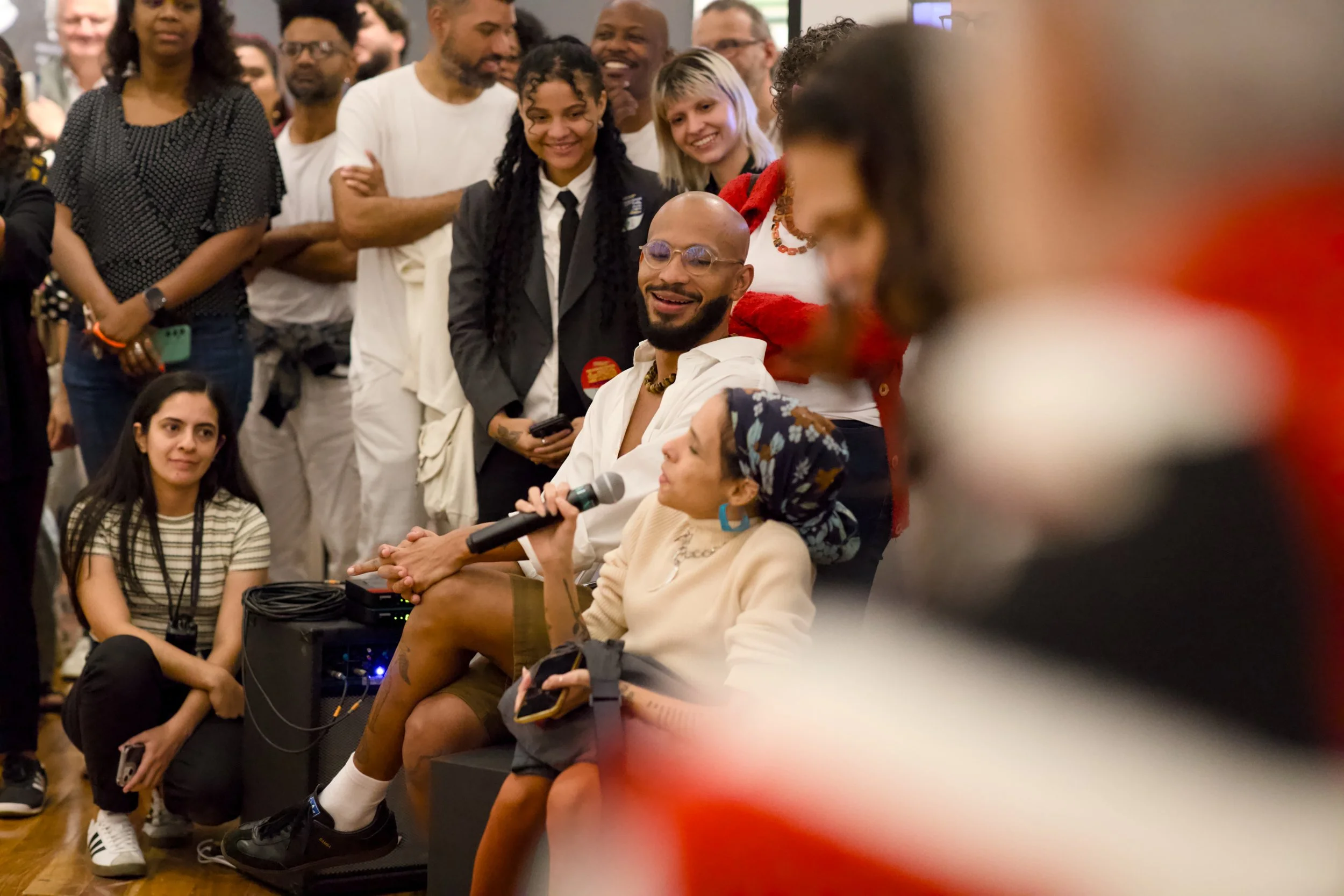
A guest poses a question during the opening seminar on LGBTQI+ culture in the visual arts. Photo: Dr Lydia-Anne Plaatjies.
The Self-Portraits: The Body as a Site of Refusal and Becoming
Among the most arresting elements of the exhibition are Muholi’s self-portraits, particularly from the ongoing series Somnyama Ngonyama (Hail the Dark Lioness). In these images, the artist’s own body becomes a canvas for confronting the violence of the colonial gaze while simultaneously celebrating Black beauty, strength, and interiority. Each frame is meticulously composed: high-contrast monochrome, exaggerated textures, and props that reference everything from labour history to ancestral adornment. The self-portraits do not offer a fixed identity but rather a series of deliberate becomings. Muholi looks at the camera, and the camera looks back. The relationship is neither comfortable nor simple. It is a confrontation and an embrace at once.
Let the Hands Speak
Throughout the galleries, a quieter but equally powerful motif emerges: hands. Hands that gesture, sign, touch, hold, soothe, and demand. Hands that tell stories words cannot carry. In Muholi’s work, the hands of lovers, friends, activists, and the artist themselves become a separate language entirely – one of intimacy, resistance, and care. A single open palm can welcome or halt. Fingers interlaced can speak of solidarity across continents. The hands remind us that before the photograph, before the archive, there is a body in relation to another body. Let the hands speak.
Opening Programme: Reflection and Celebration
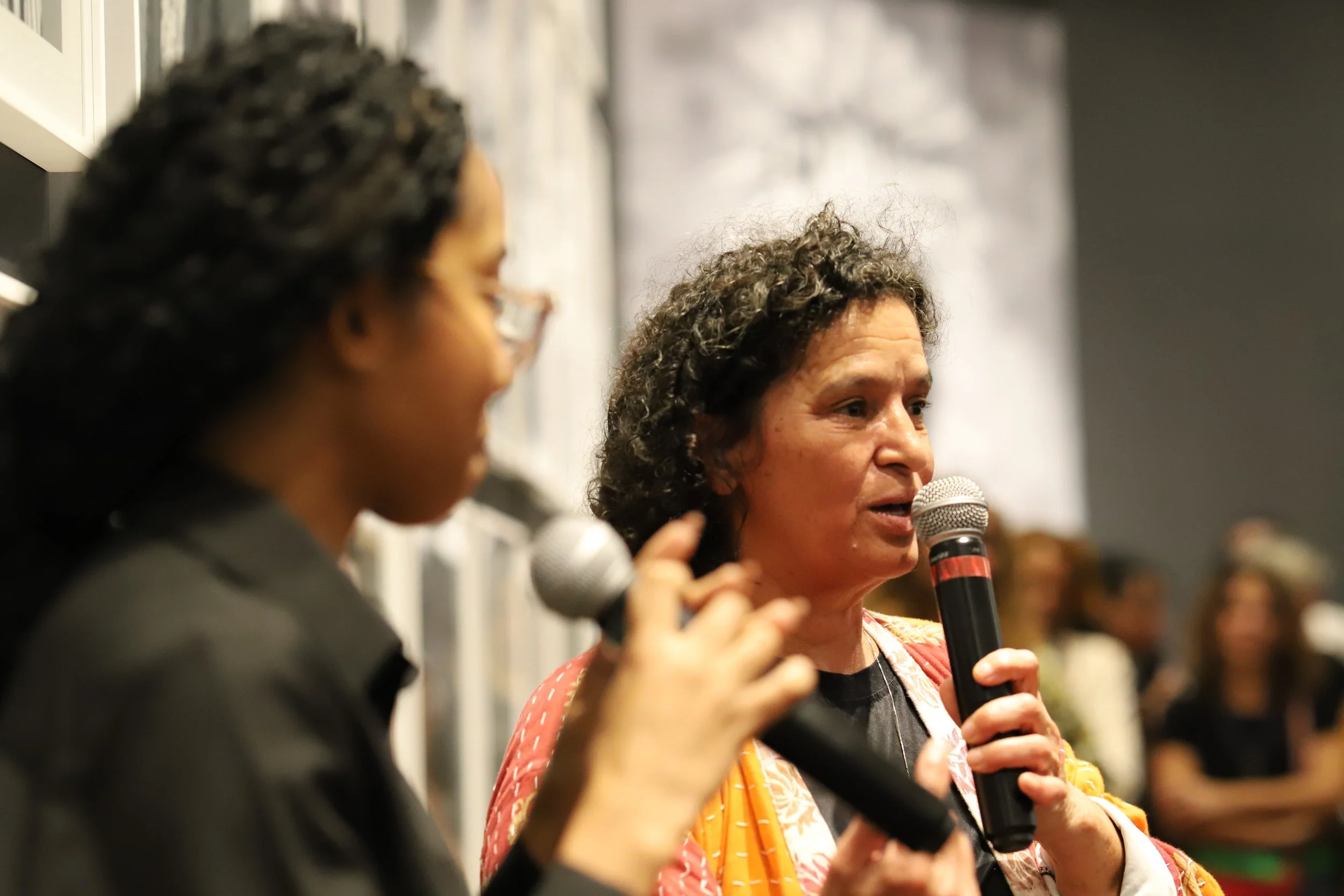
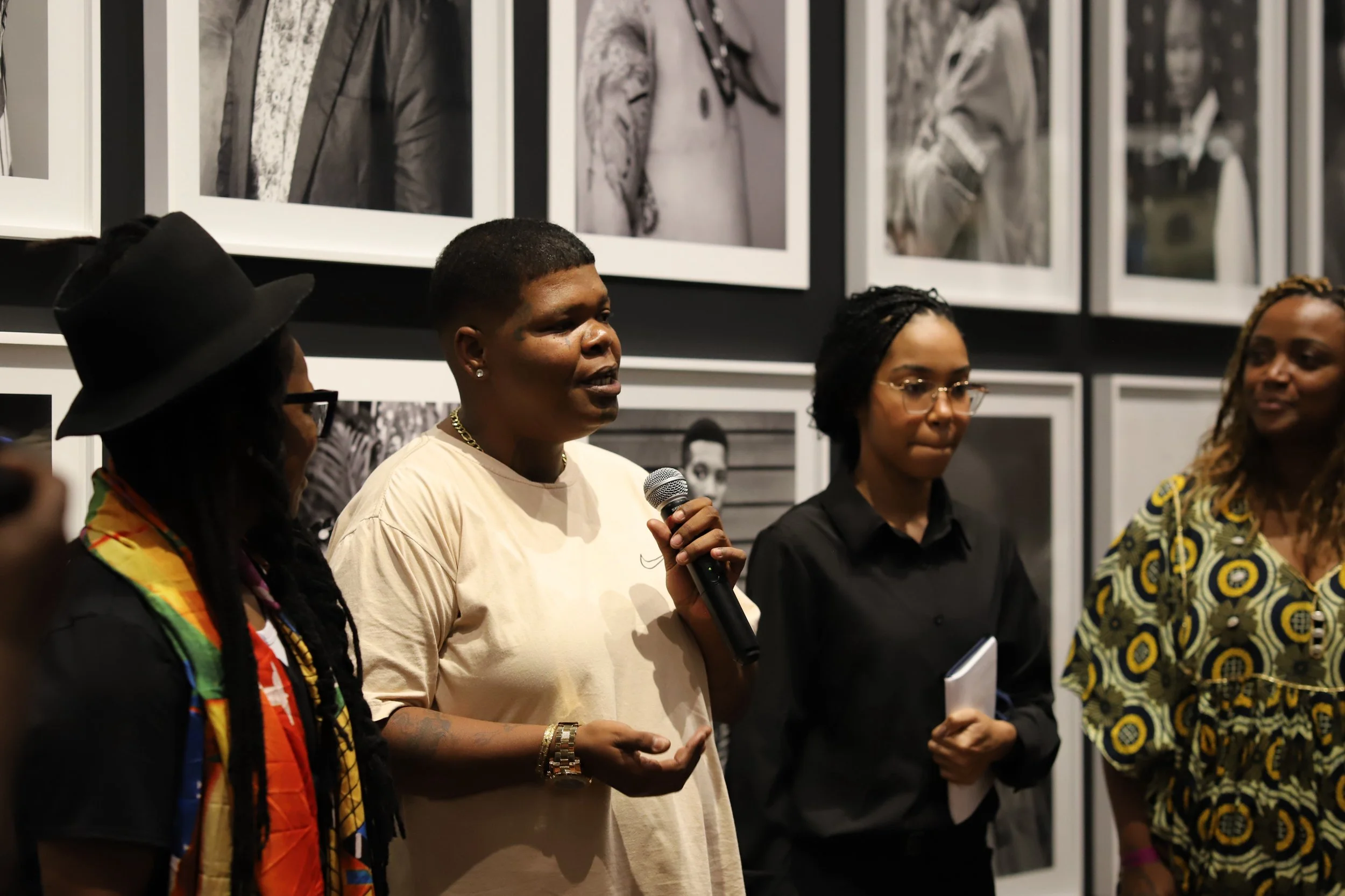
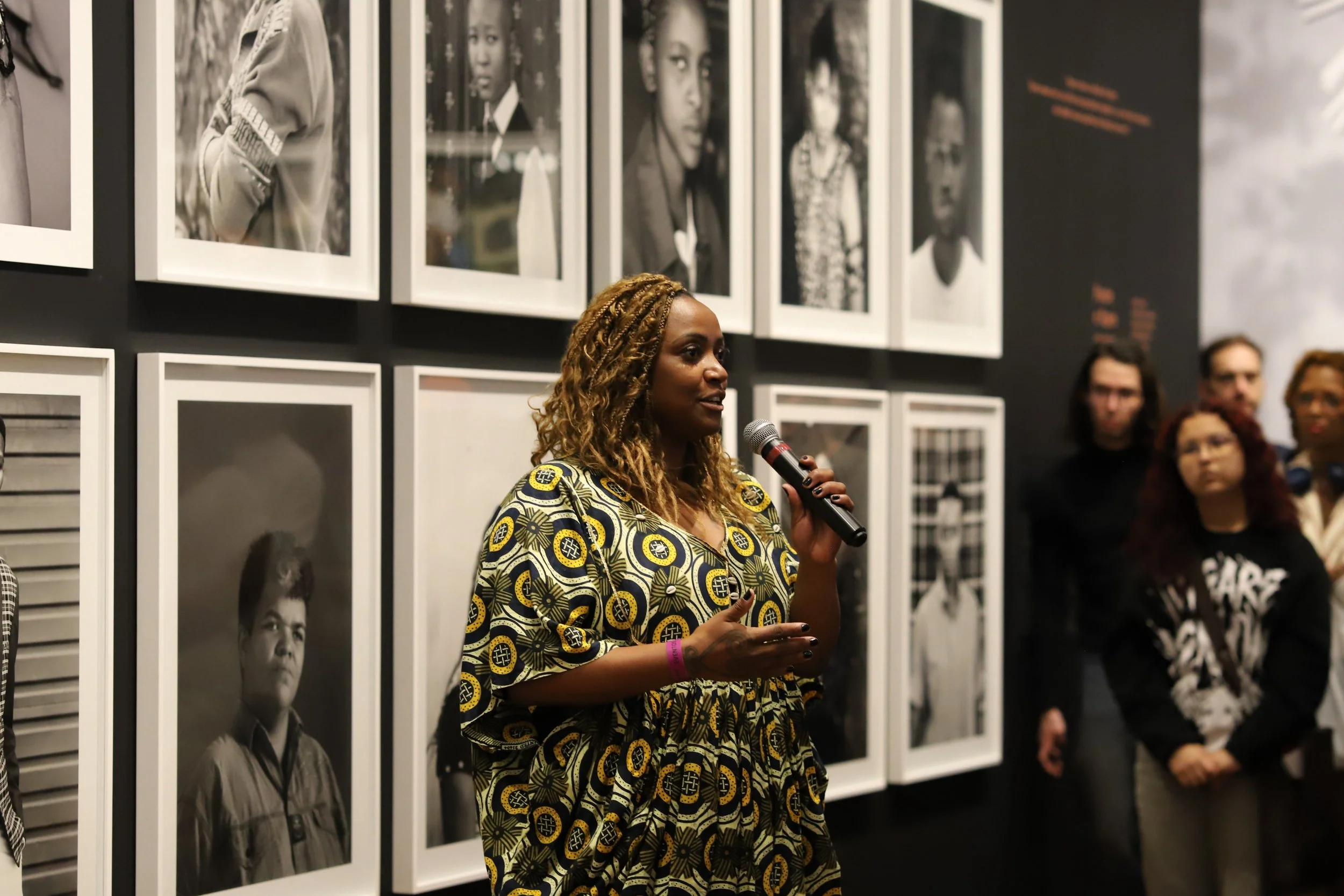
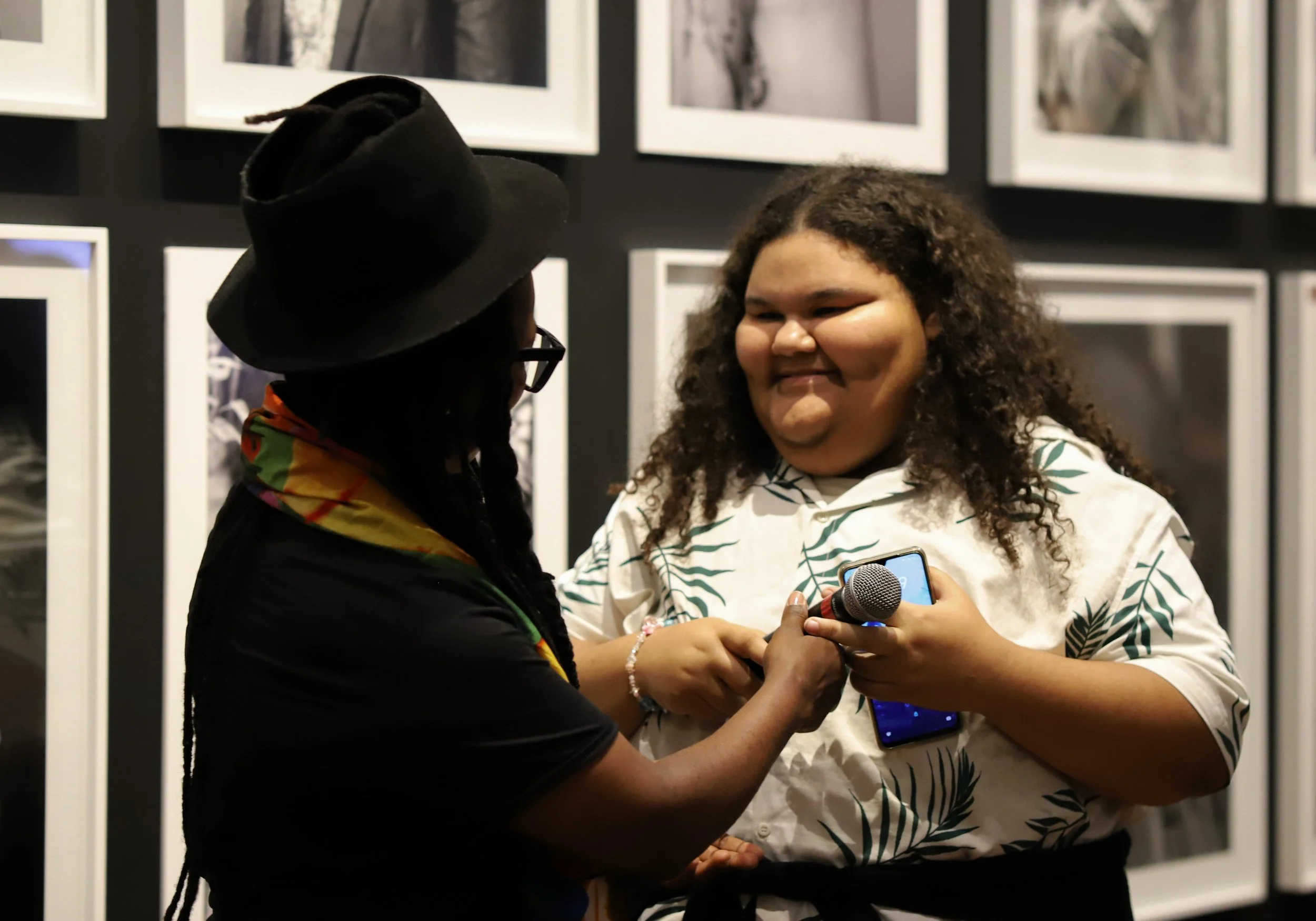
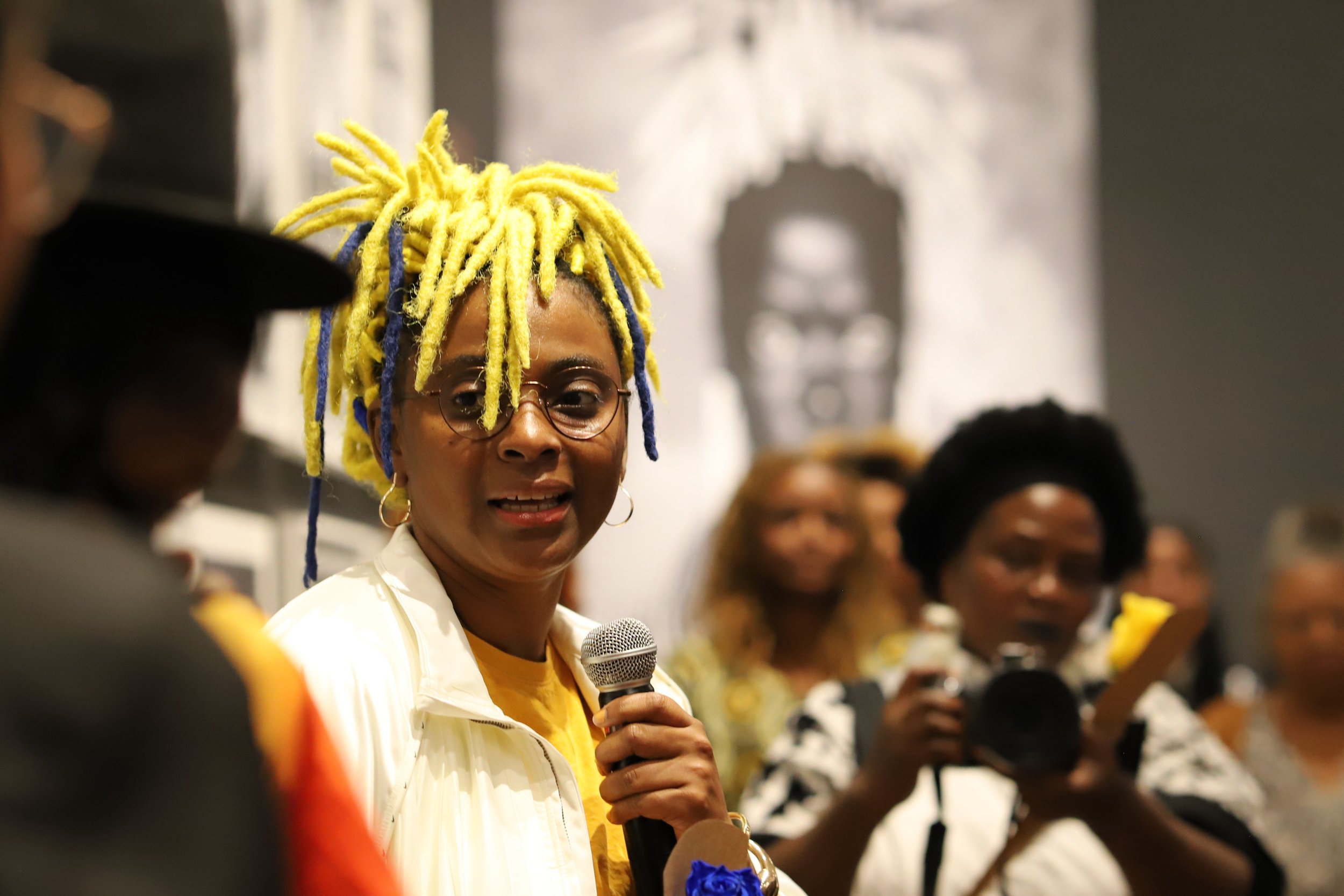
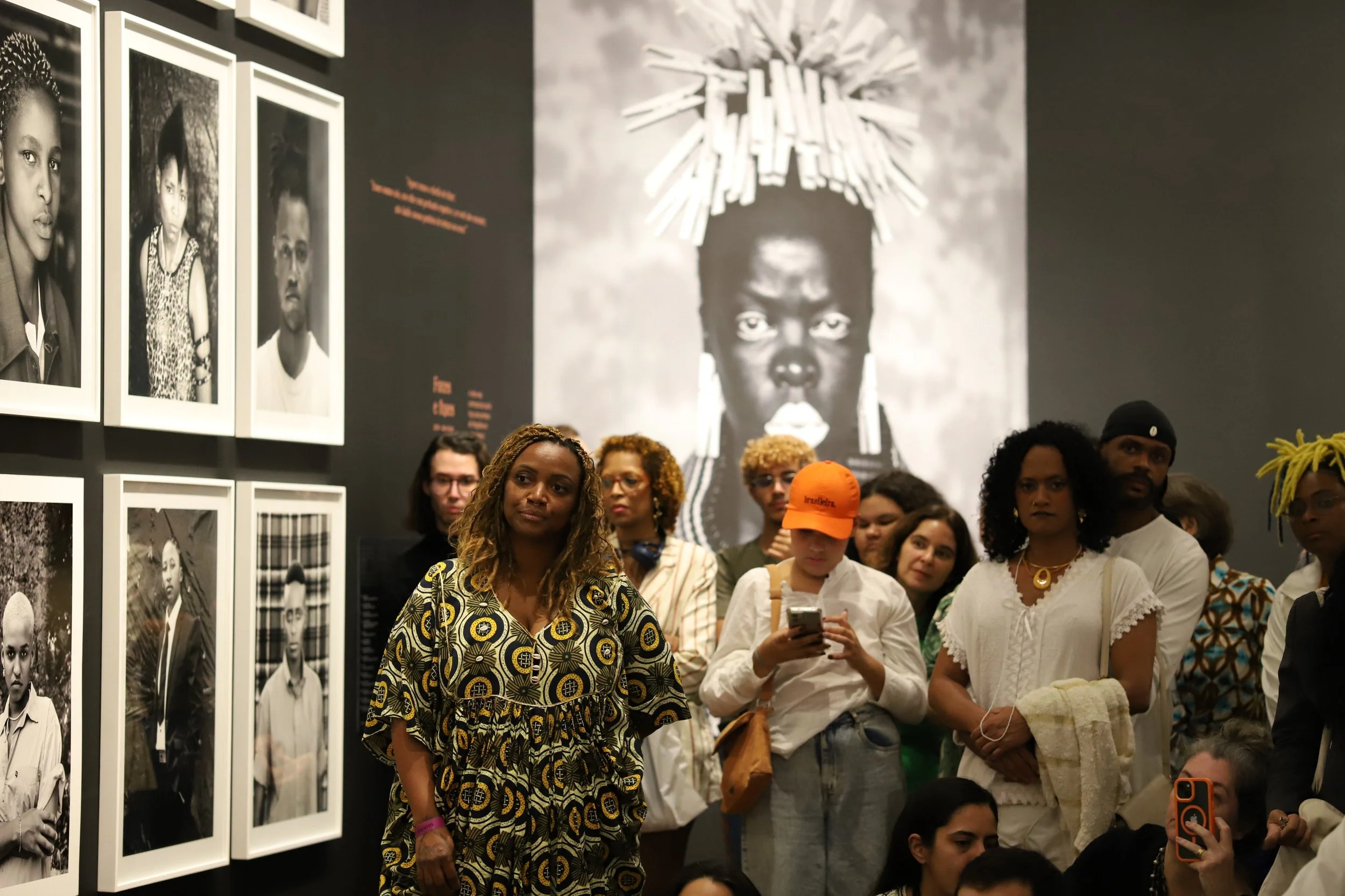
The opening night on 12 June reflected the exhibition’s spirit of duality – mourning and joy, testimony and festivity, critique and communion. The evening began with a seminar on LGBTQI+ culture in the visual arts, convened in MAR’s auditorium. Artists, researchers, curators, and activists from across Brazil gathered to discuss the politics of the archive, the limits of representation, and the urgent work of sustaining queer cultural memory in a time of renewed threats to bodily autonomy and democratic space. The conversation underscored that Muholi’s project is not only about making images but about building infrastructure: networks of care, protection, and mutual recognition that outlast any single exhibition
A Timely Encounter with an Essential Voice
Zanele Muholi: Brave Beauty is more than a retrospective. It is a living, breathing assertion that to photograph is to protect, to be photographed is to demand, and to look is to participate. The exhibition arrives in Rio at a moment when questions of territory, identity, and representation are fiercely contested across Brazil and the globe. In the galleries of MAR, visitors are invited not simply to observe but to engage in an extended encounter with lives, histories, and expressions that are at once deeply personal and unmistakably political.
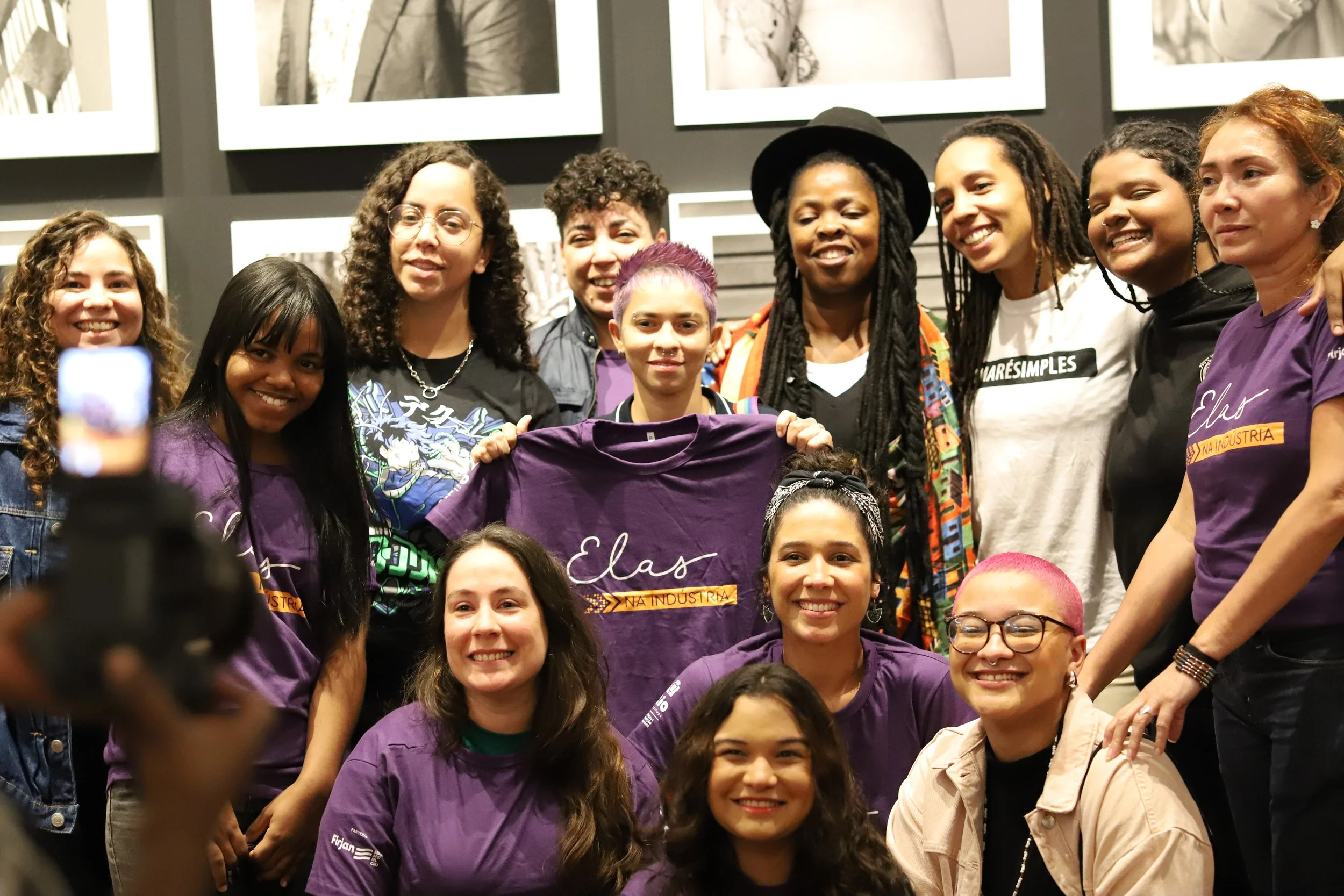
Prof. Zanele Muholi with members of Elas na Indústria at the opening of Brave Beauty, MAR. Photo: Dr Lydia-Anne Plaatjies.
Organised by the Museu de Arte do Rio in partnership with the Instituto Moreira Salles, Brave Beauty honours twenty years of Prof. Zanele Muholi’s visual activism and opens a space for mourning, repair, celebration, and the stubborn, necessary power of being seen on one’s own terms. This is not a quiet beauty. It is a brave one.
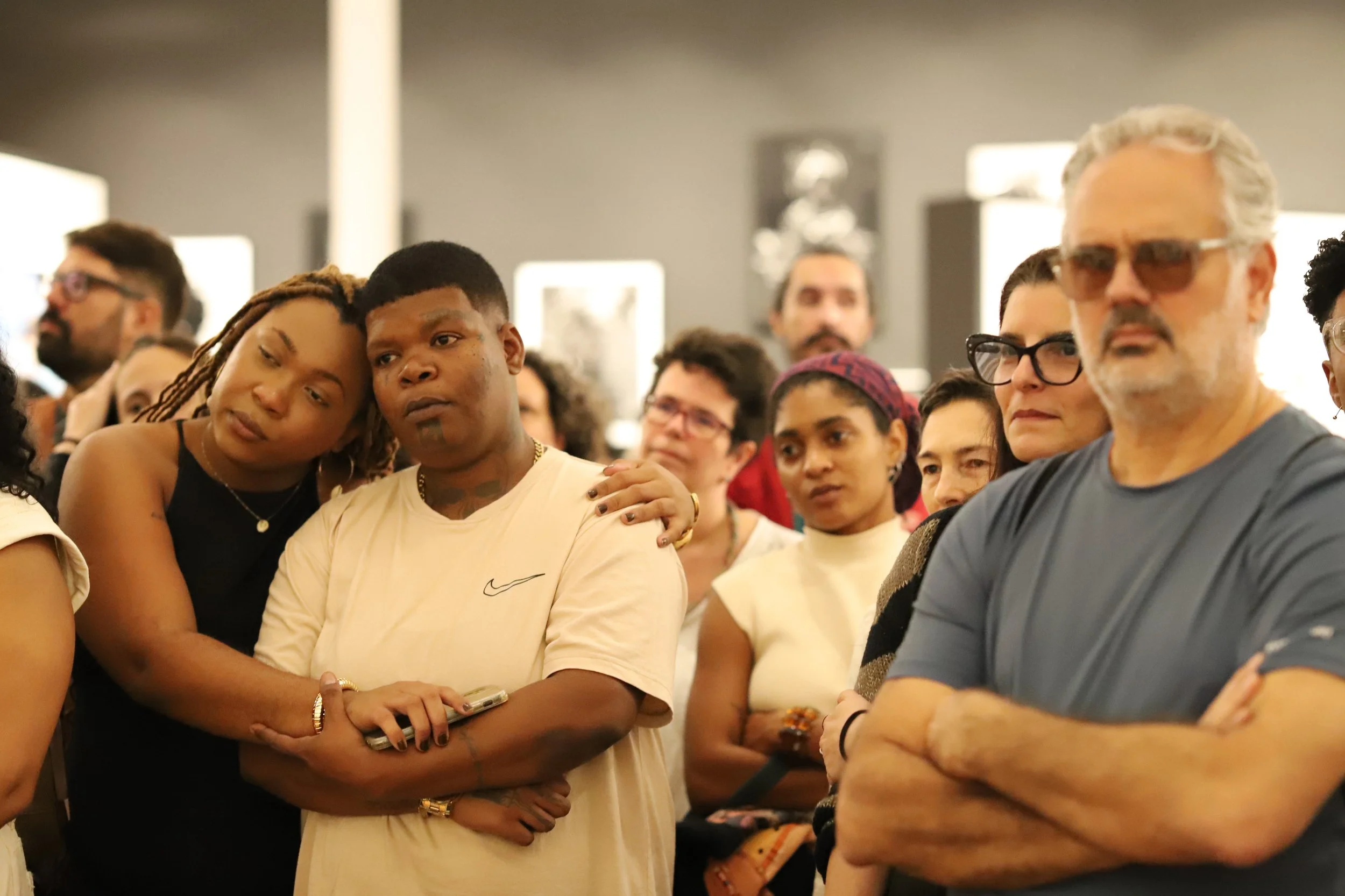
Guests at the opening of Brave Beauty, MAR, Rio de Janeiro. Photo: Dr Lydia-Anne Plaatjies.
Visitor Information – Zanele Muholi: Brave Beauty
Location: Museu de Arte do Rio (MAR), Praça Mauá, 5, Centro, Rio de Janeiro – RJ, Brazil
Dates: 12 June – 29 November 2026
Hours: Tuesday to Sunday, 11 am – 6 pm (last entry at 5 pm)
Tickets: Available at the museum box office and online at museudeartedorio.org.br
Please check the website for free admission and reduced-price policies.
Organised by: Museu de Arte do Rio (MAR)
In partnership with: Instituto Moreira Salles (IMS)
More information: museudeartedorio.org.br | @museudeartedorio
