
Durban Pride 2026
Photography: Thandwayinkosi Buthelezi
Text by Bathandwa Mosho
Love gathers in many forms.
Durban Pride 2026 unfolded as a celebration of visibility, community, and collective joy. Thousands gathered at Gugu Dlamini Park to affirm a simple but powerful truth: that love, diversity, and equality belong at the centre of public life. In South Africa, where constitutional protections for LGBTQ+ people exist alongside ongoing struggles for safety, recognition, and dignity, Pride remains both a celebration and an act of resistance.
The Journey to Durban
My journey began on Thursday, 25 June 2026, travelling from Johannesburg to Durban with two close companions. It was my first visit to the city. We arrived in the early hours of Friday morning and were warmly welcomed into the home of Aluta and her family.
Their generosity, care, and hospitality shaped the experience from the very beginning. Shared meals, conversations, and moments of togetherness created an atmosphere of belonging that extended far beyond the official events. Community, in its truest sense, was present long before the Pride march itself.
Pride in Public Space
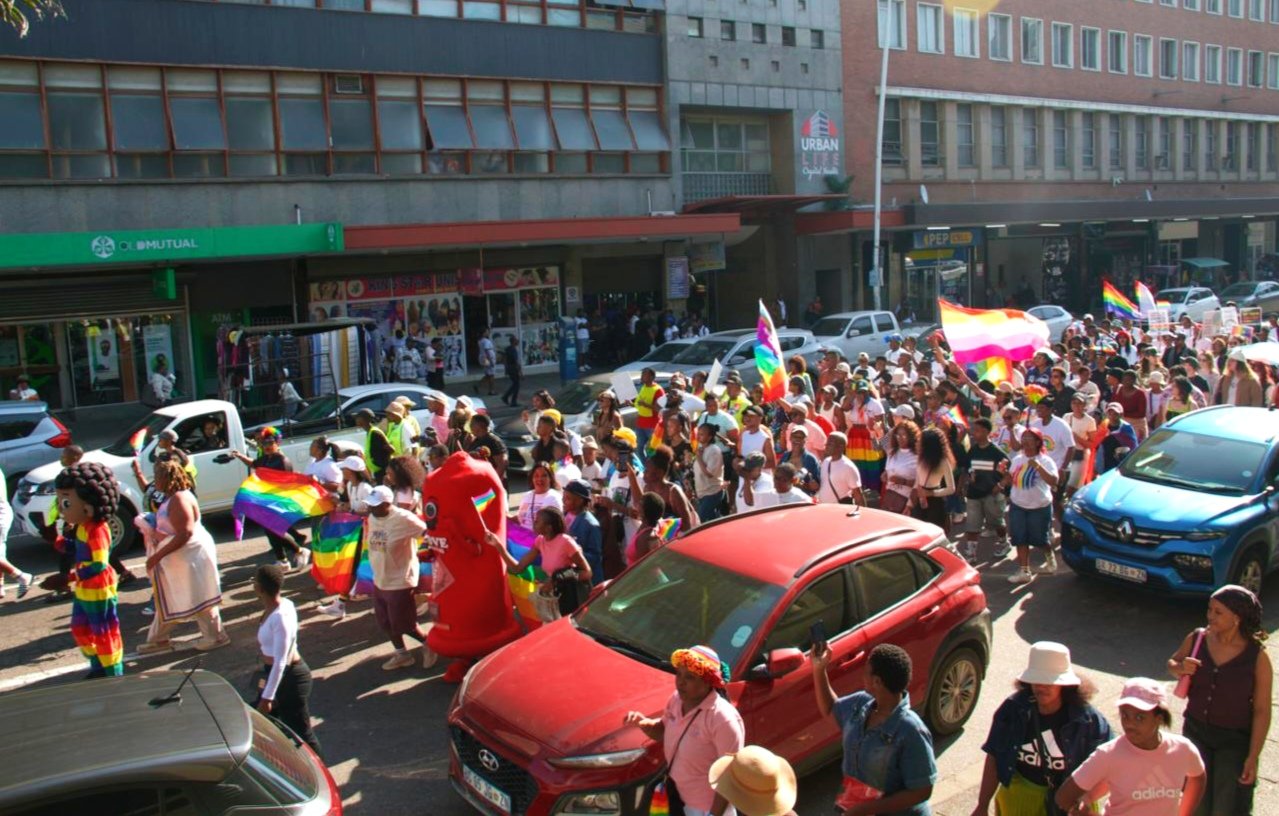
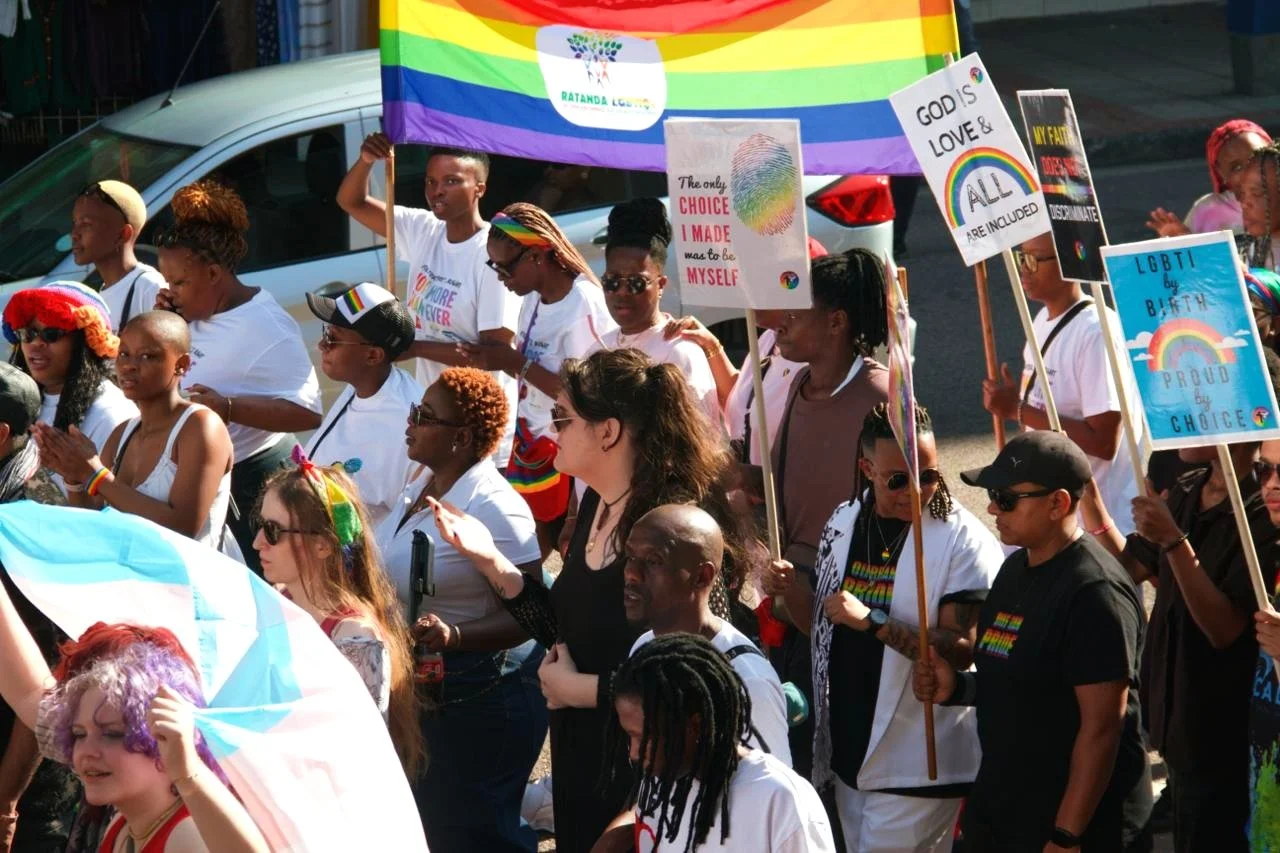
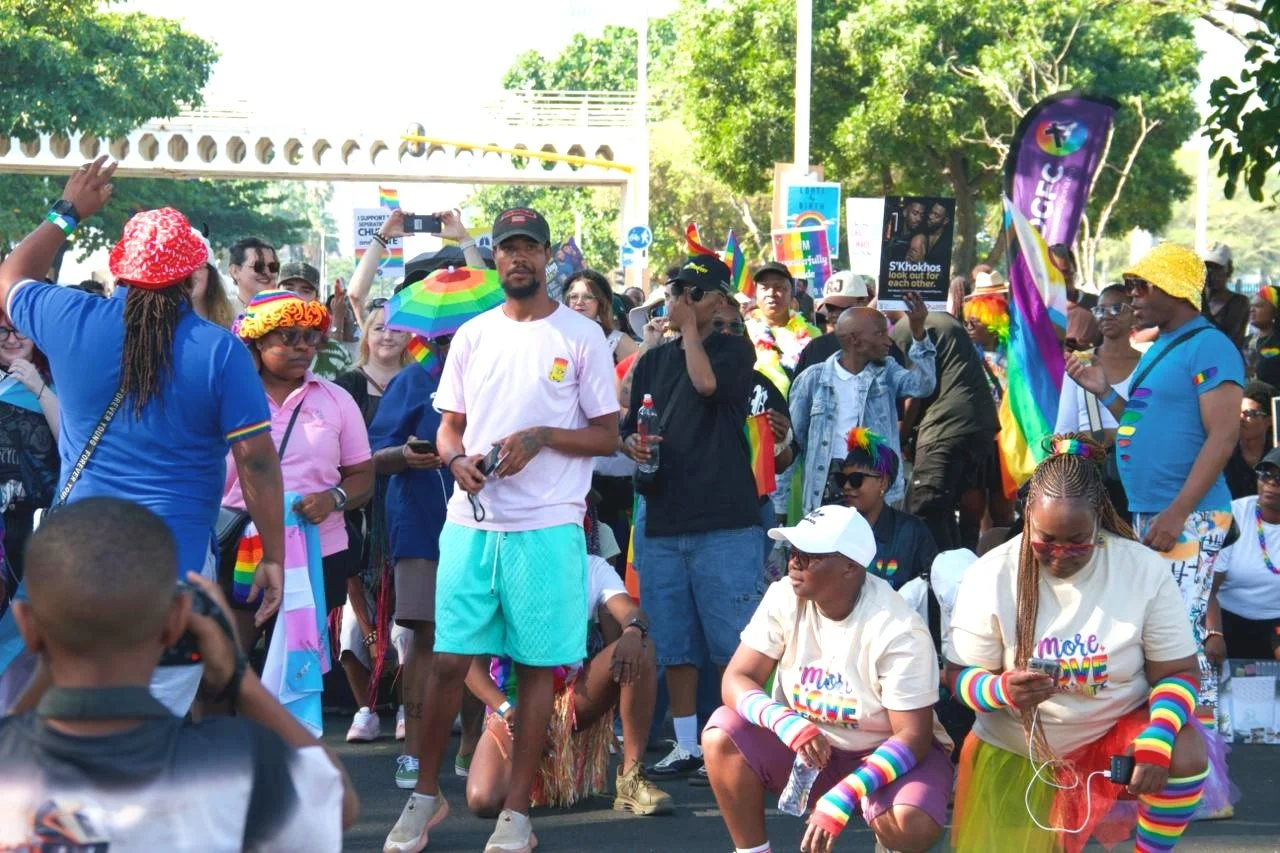
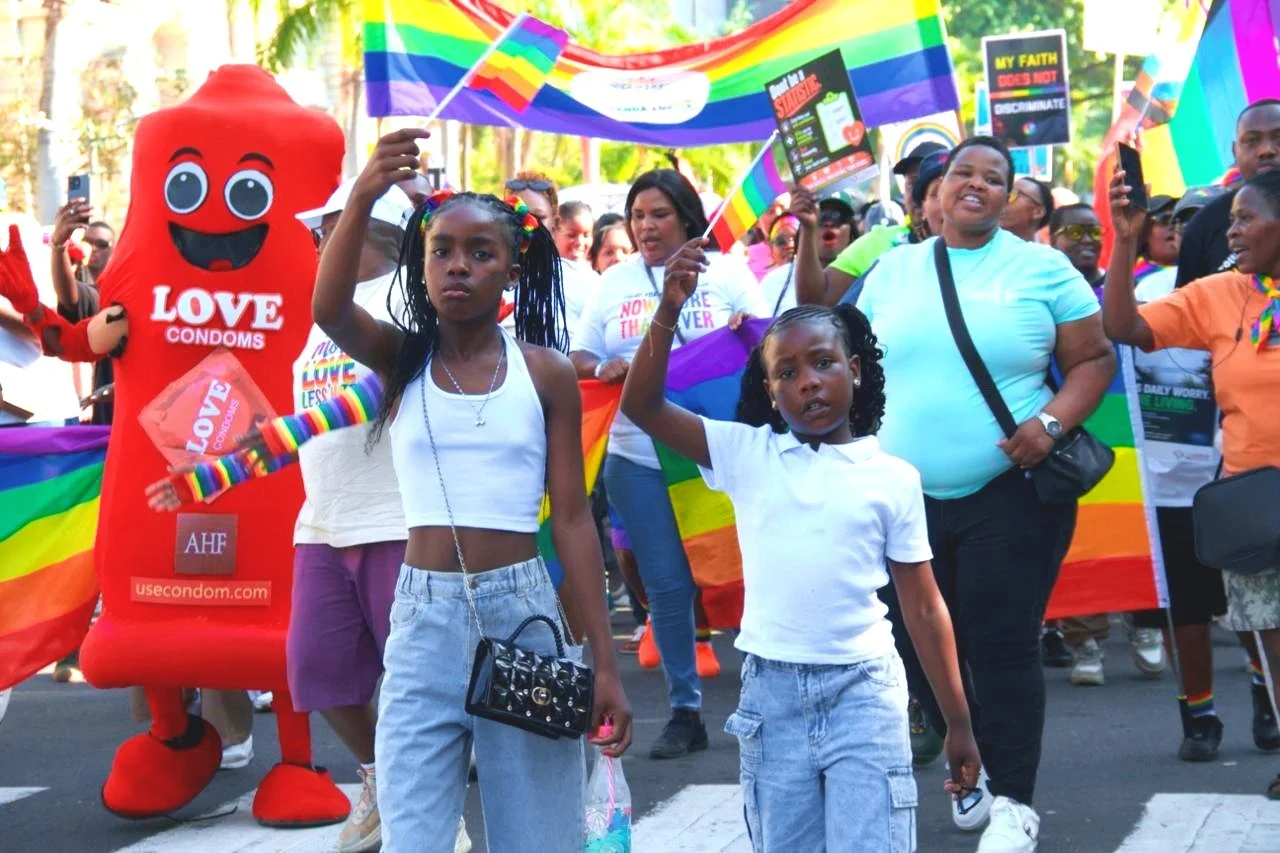
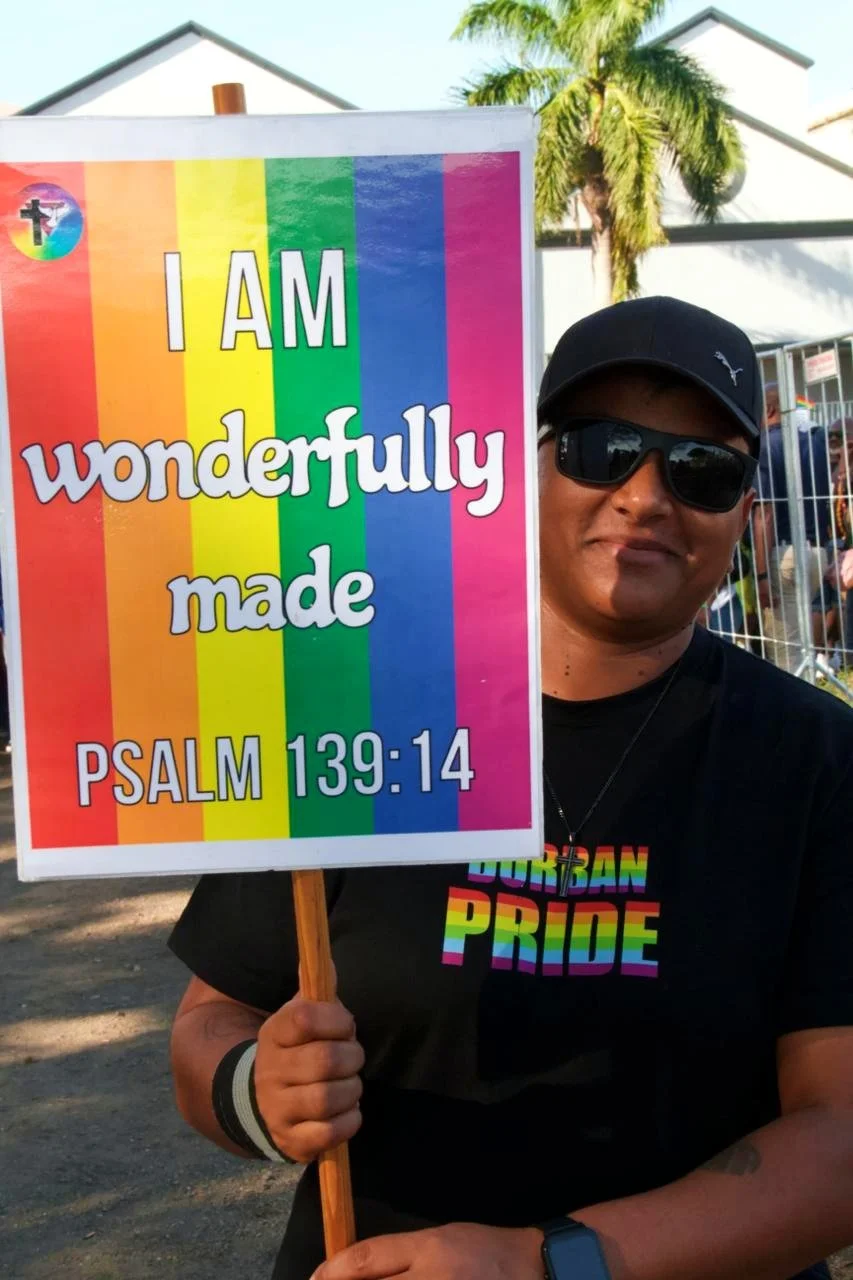
The Pride march commenced at Gugu Dlamini Park, moving through the streets of Durban before returning to the park. Flags, banners, handmade signs, music, and collective voices transformed public space into a declaration of presence and solidarity.
The event demonstrated how visibility functions both as celebration and advocacy. Dedicated community patrollers ensured the safety and wellbeing of participants, reinforcing the importance of creating spaces where LGBTQ+ people can gather openly, proudly, and securely.
Celebration, Performance, and Community
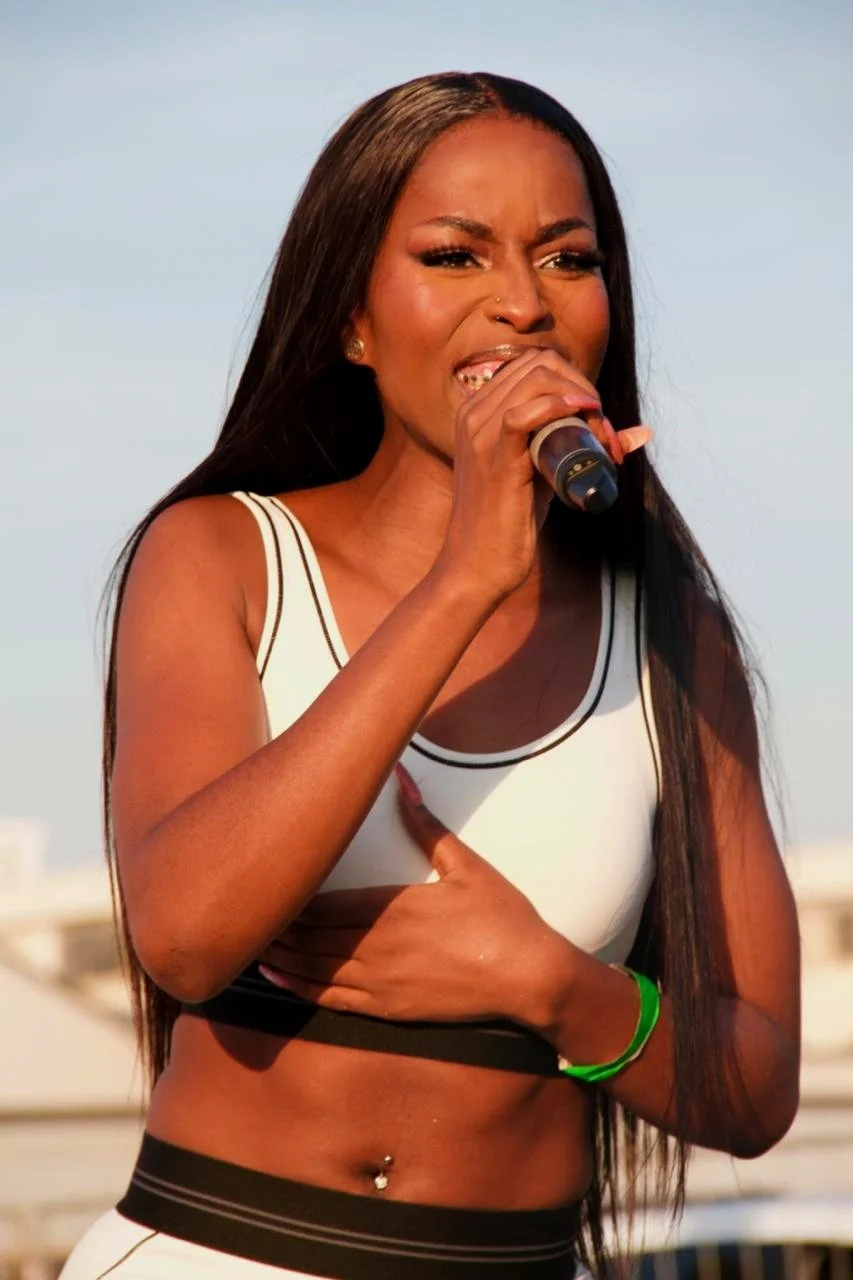
As one of KwaZulu-Natal’s largest annual LGBTQ+ gatherings, Durban Pride brings together activism, artistic expression, and public outreach. The 2026 programme featured drag performers, dancers, musicians, and local queer artists whose work reflected the richness and diversity of the community.
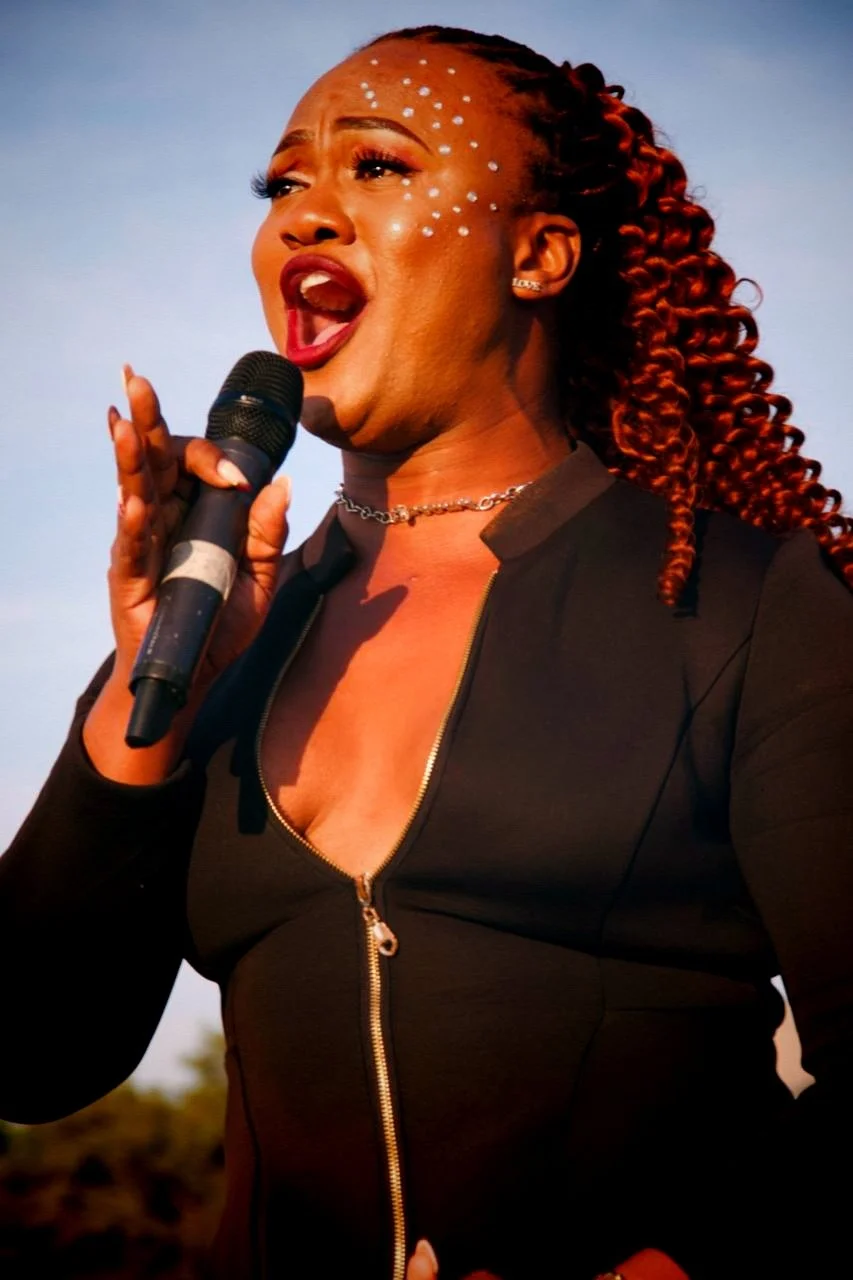
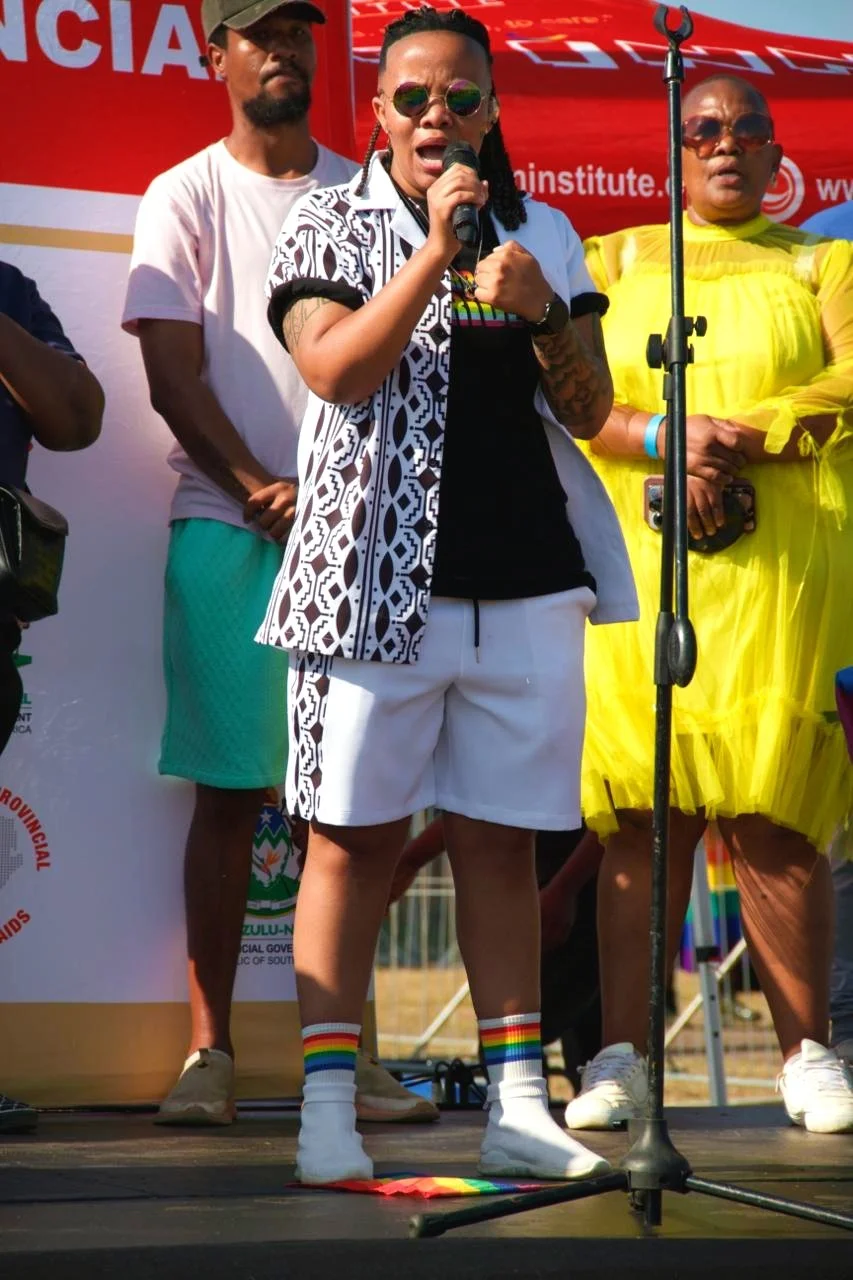
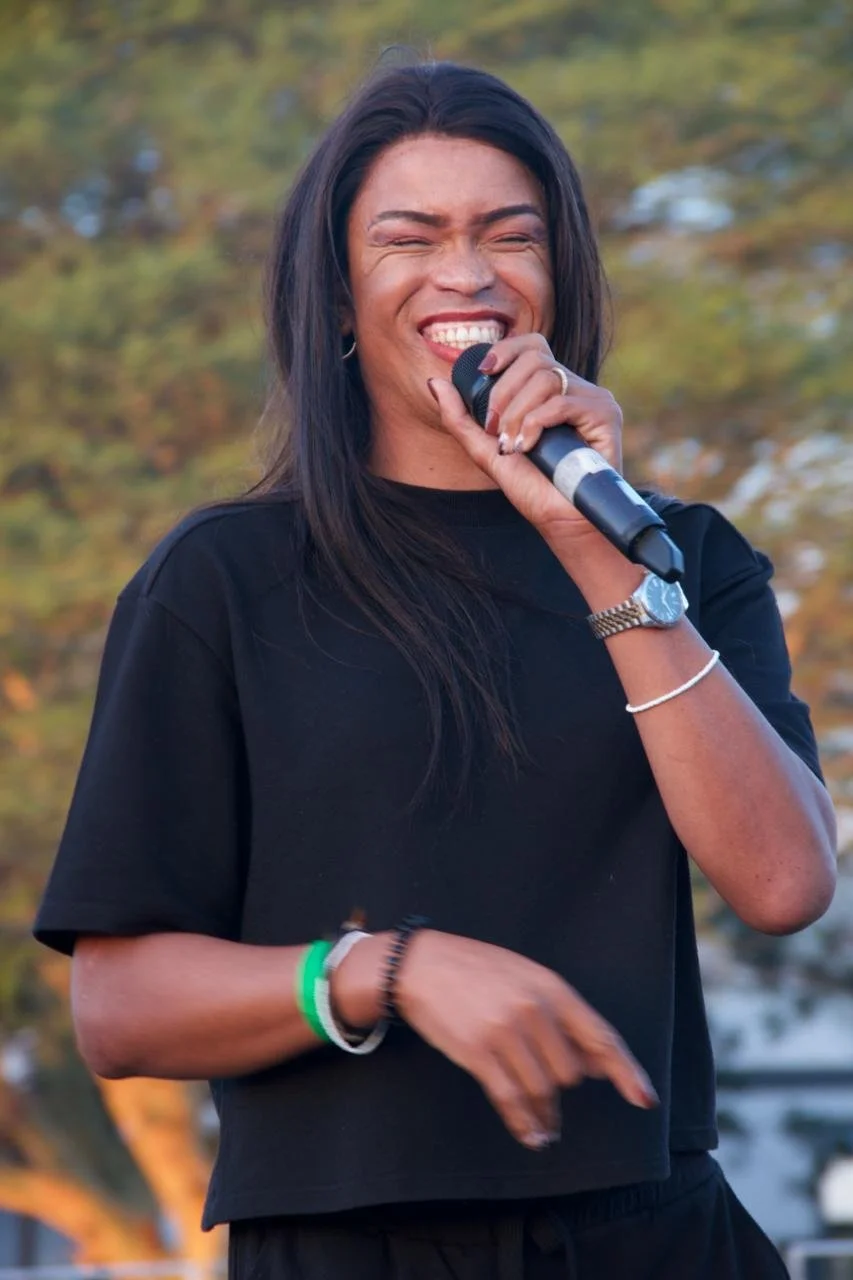
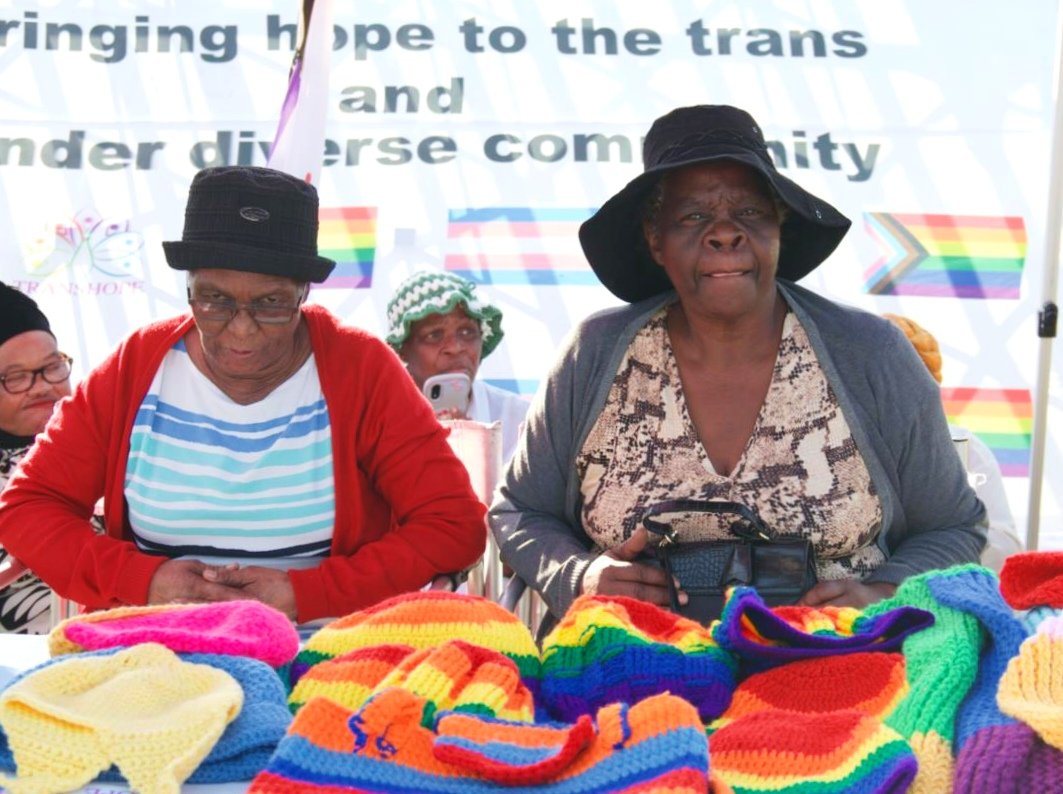
Families, parents, children, elders, and allies stood alongside outreach organisations, building intergenerational spaces of support and affirmation. These encounters offered visibility and hope, particularly for transgender and gender-diverse people seeking community and belonging.
The Photographs
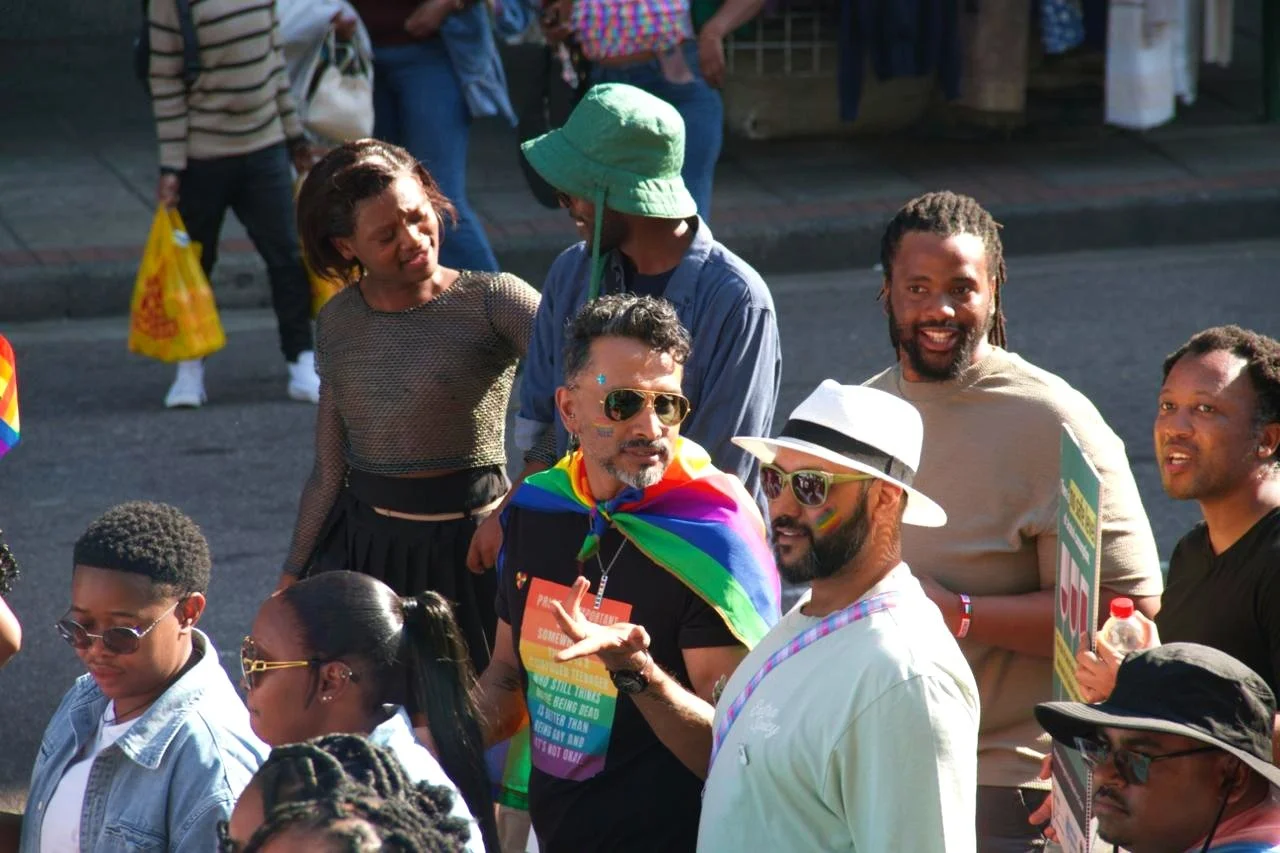
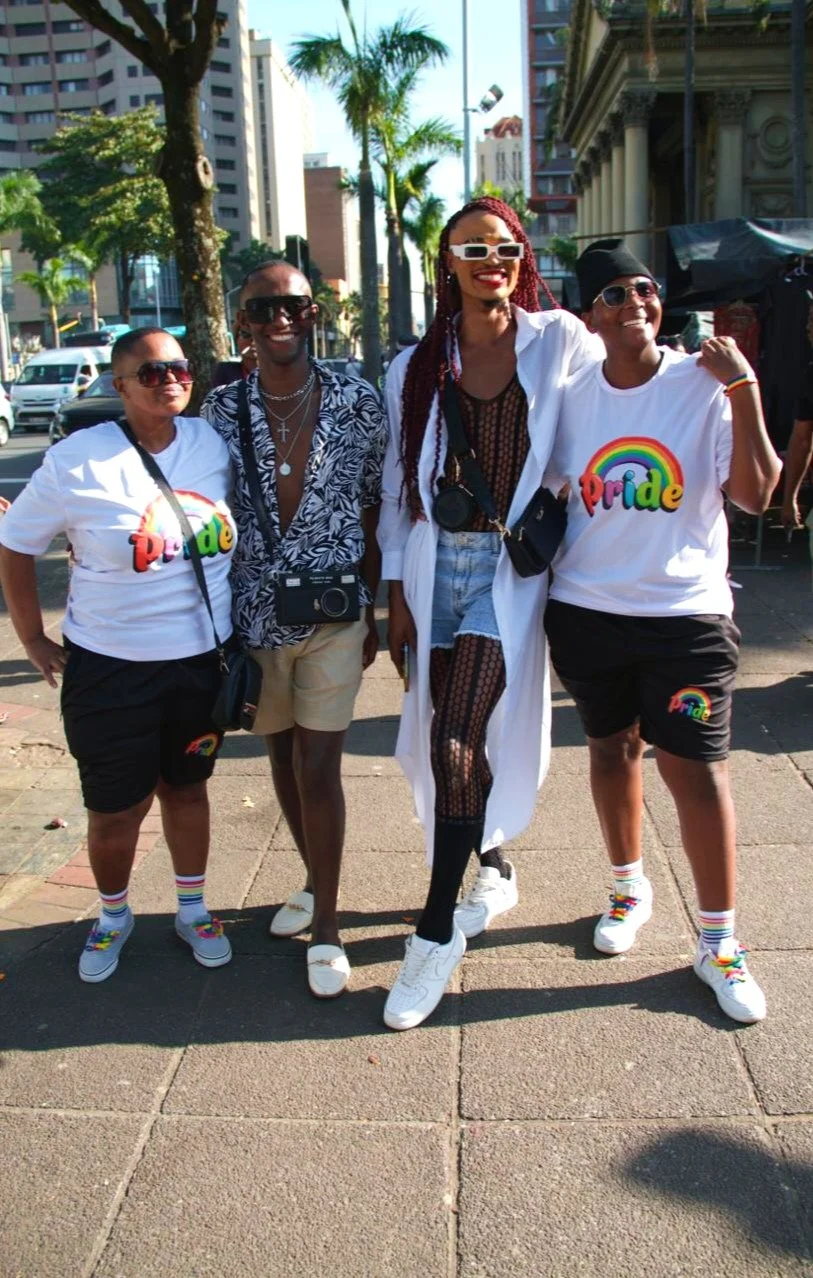
These images document more than a single event. They capture friendships, quiet conversations, joyful celebrations, and ordinary acts of care. They reveal how Pride is sustained not only through marches and performances but through everyday relationships and shared experiences.
Each photograph contributes to a broader narrative of resilience, visibility, and collective joy. Together, they tell stories of people choosing to stand with one another and to celebrate the many ways queer life flourishes in South Africa.
Pride, Activism, and Visibility
Across South Africa, Pride has long occupied a space where cultural celebration and human rights advocacy intersect. While constitutional protections provide an important foundation, community organising, public health outreach, and visibility campaigns remain essential.
Durban Pride reflects this ongoing work. The presence of elders, families, activists, and community organisations demonstrates how solidarity is built across generations. These gatherings create opportunities to support one another, challenge exclusion, and imagine more inclusive futures.
Personal Reflection
Participating in Durban Pride for the first time was profoundly meaningful. The warmth, love, and welcome I encountered remain among the most enduring memories of the journey.
The experience extended beyond the official programme. Celebrating a family birthday, sharing meals, and gathering with neighbours to watch the Bafana Bafana match against Canada revealed the depth of community that surrounded us throughout our stay. By the time we returned to Johannesburg on 29 June, leaving was an emotional farewell.
I look forward to returning in the years ahead to continue learning, documenting, and celebrating the communities that make Durban Pride possible.
Acknowledgements
I extend my deepest gratitude to the Muholi Art Institute and Professor Zanele Muholi for their support, funding, and commitment to creating opportunities for documenting and celebrating LGBTQ+ communities.
Heartfelt thanks also go to Aluta and her family for their unconditional hospitality, generosity, and care throughout our time in Durban. Their home became a place of comfort, connection, and belonging.
We Are Here
These photographs carry a message that continues to resonate across generations and places:
We are here. We exist. And we are not going anywhere.
