
Through Their Eyes: PhotoXP at Bavumile Primary School
By Mpho Molefe
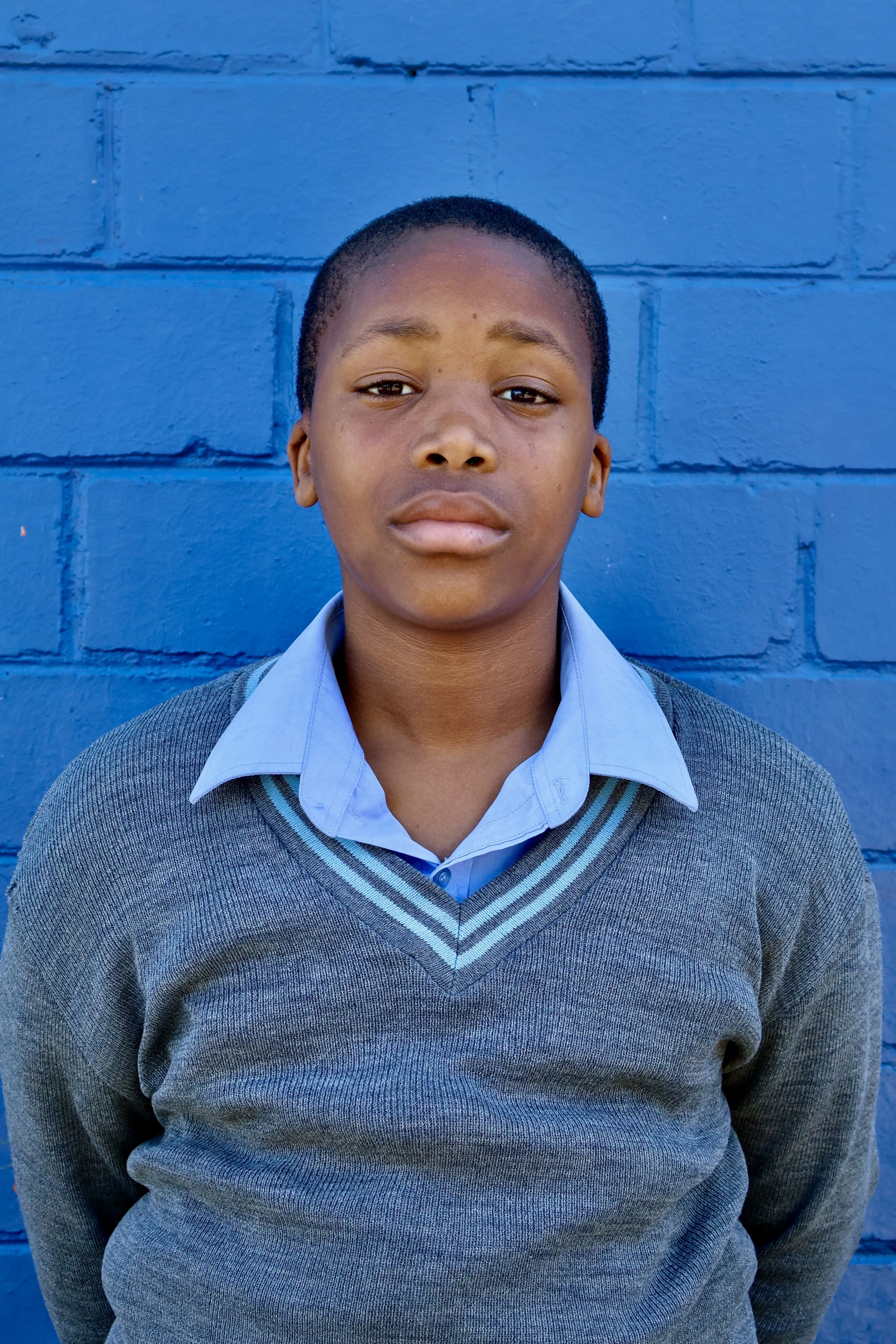
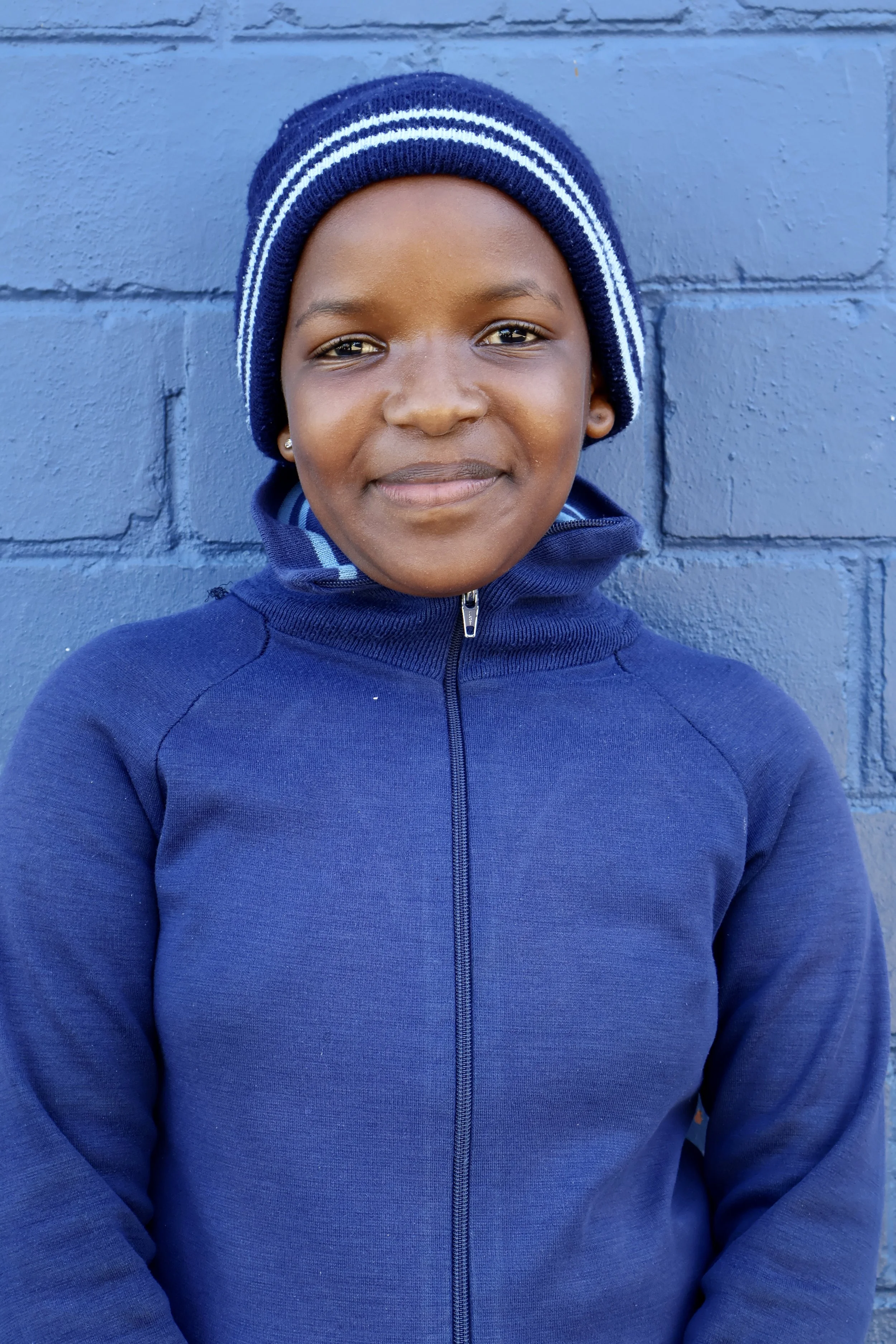
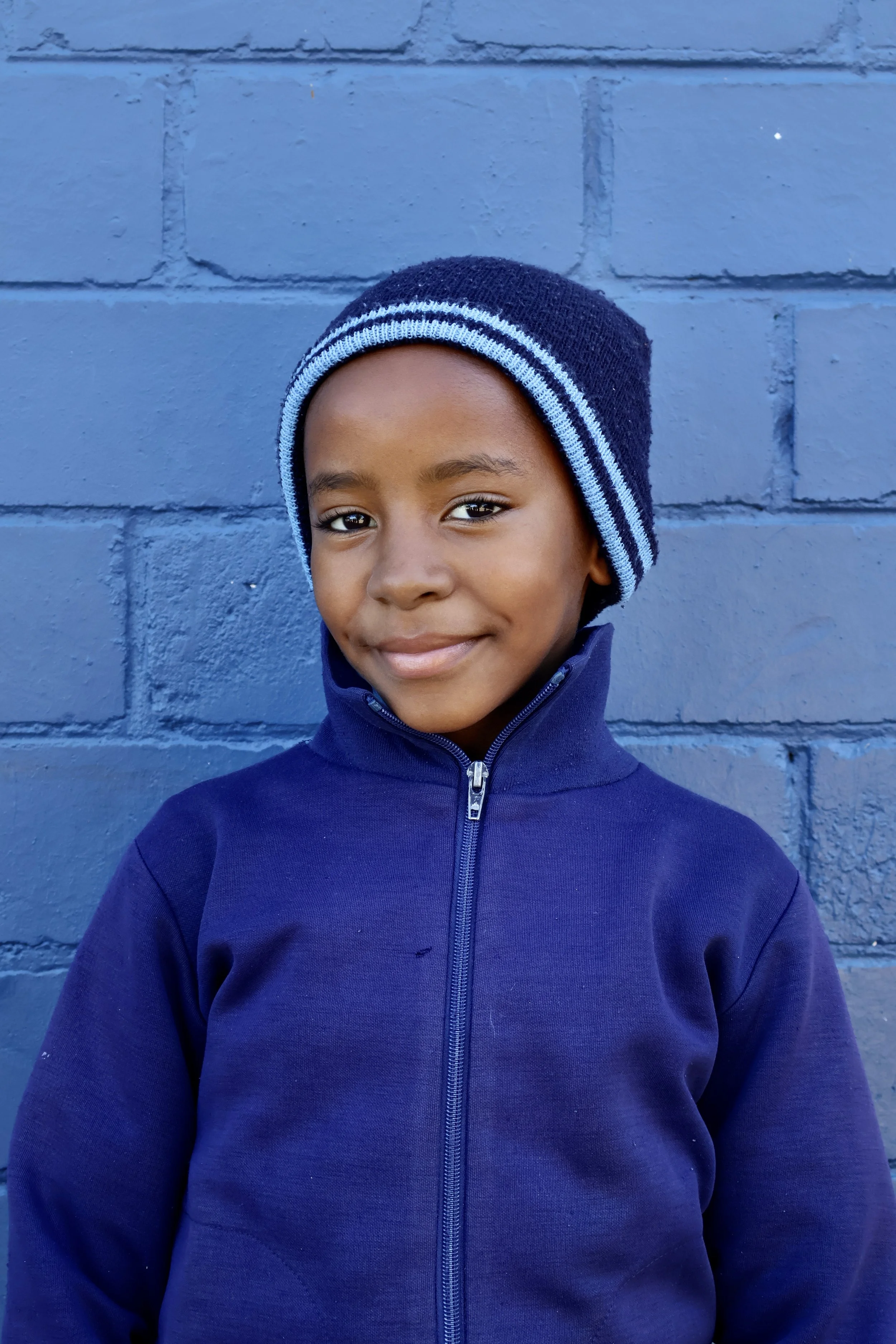
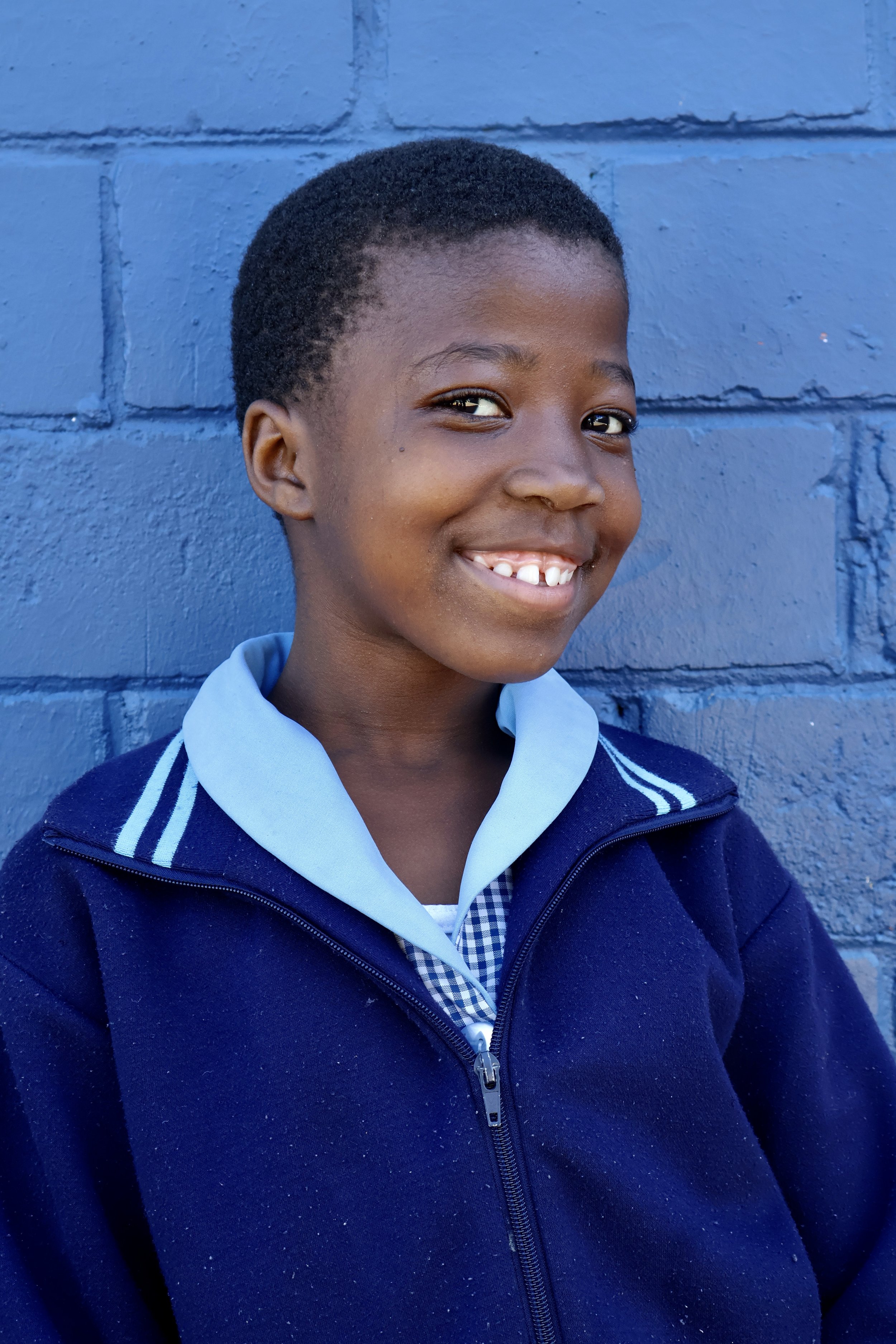
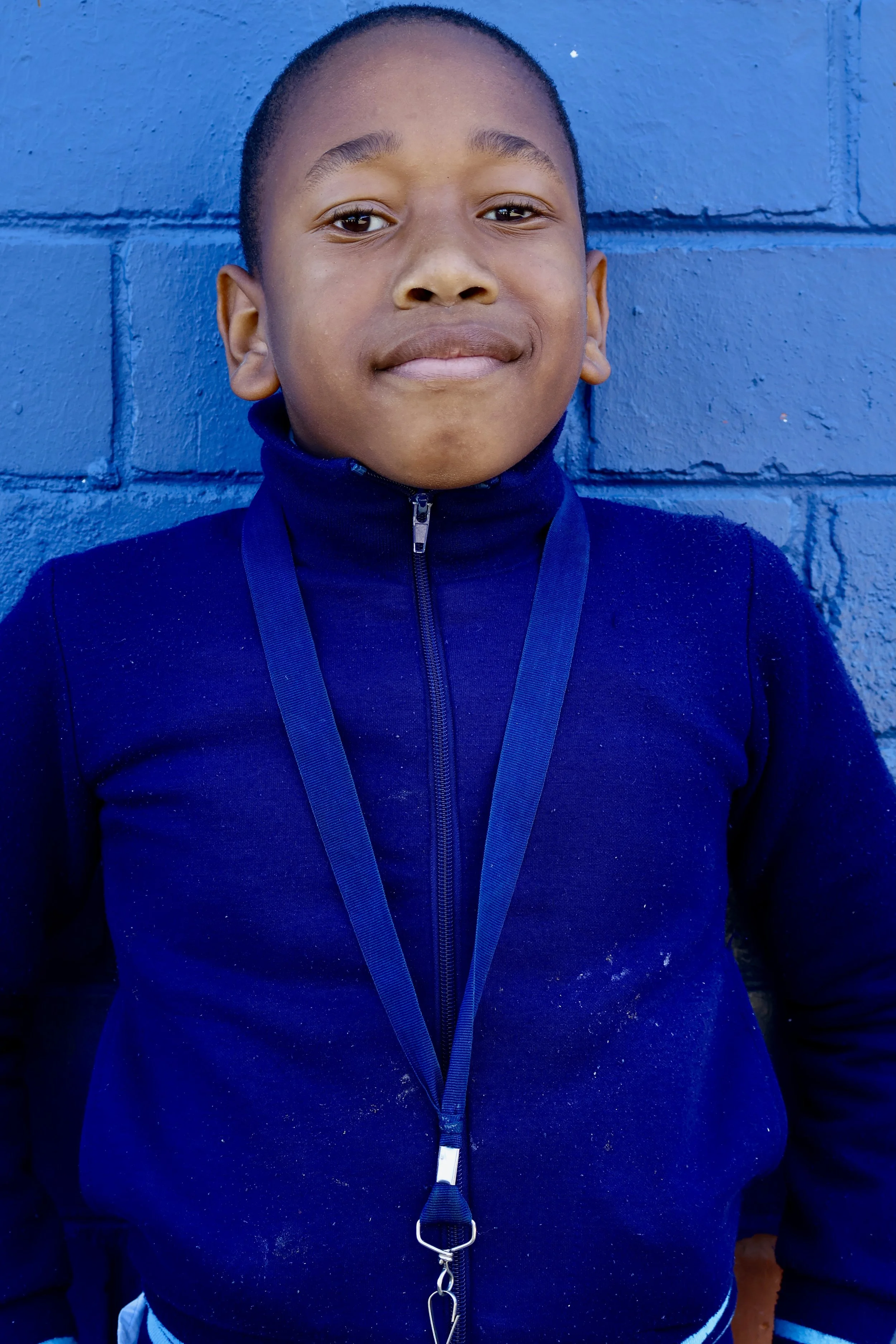
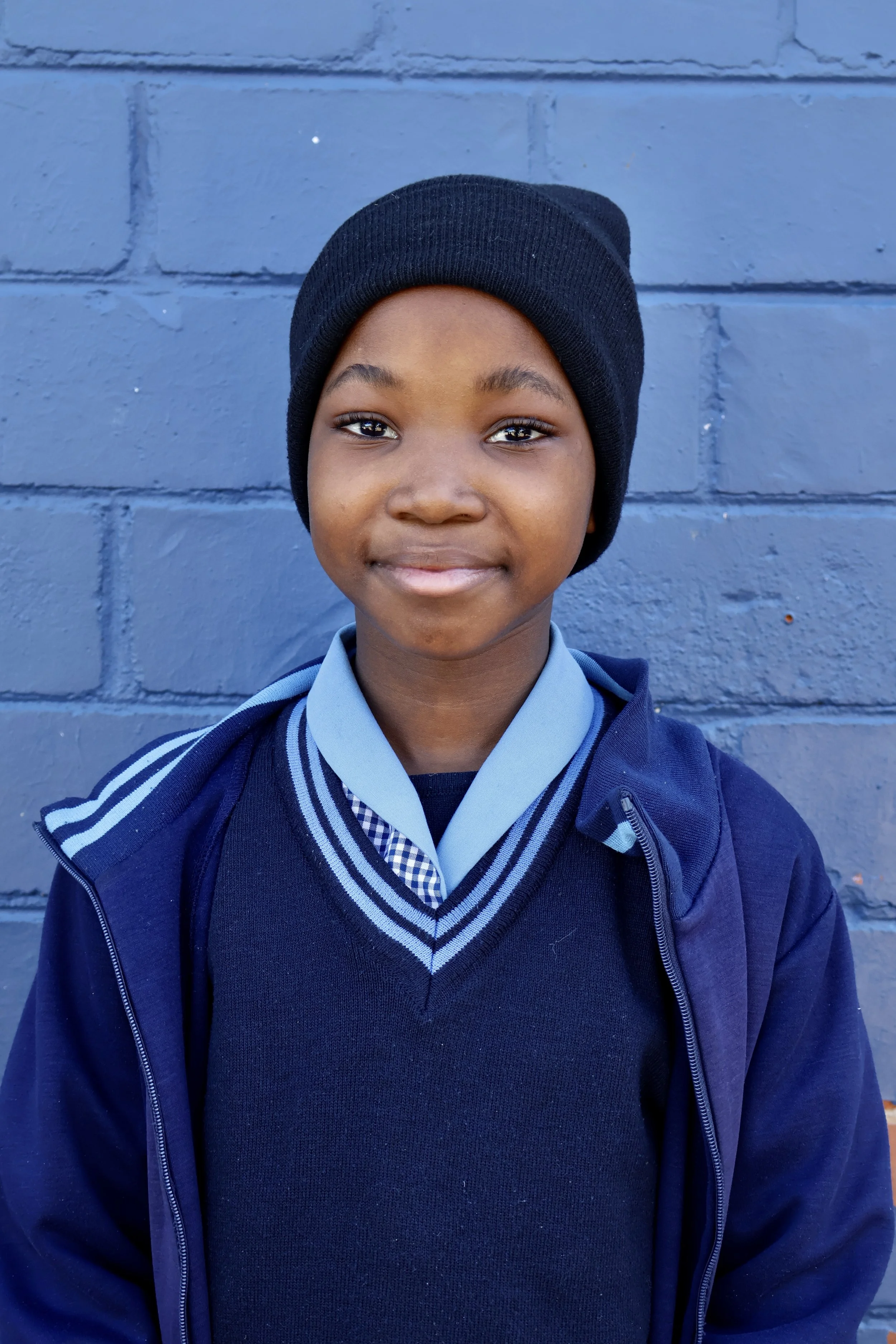
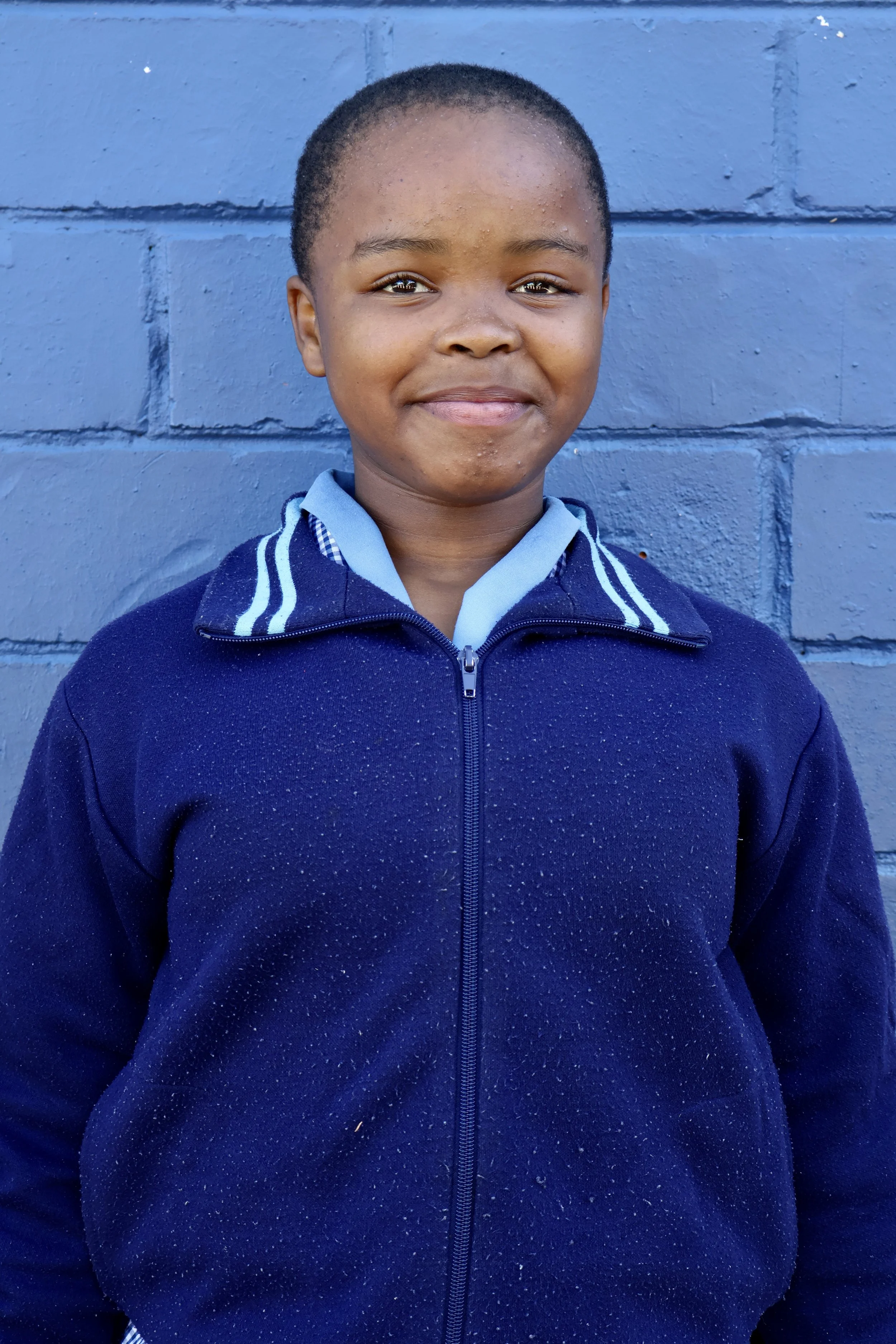
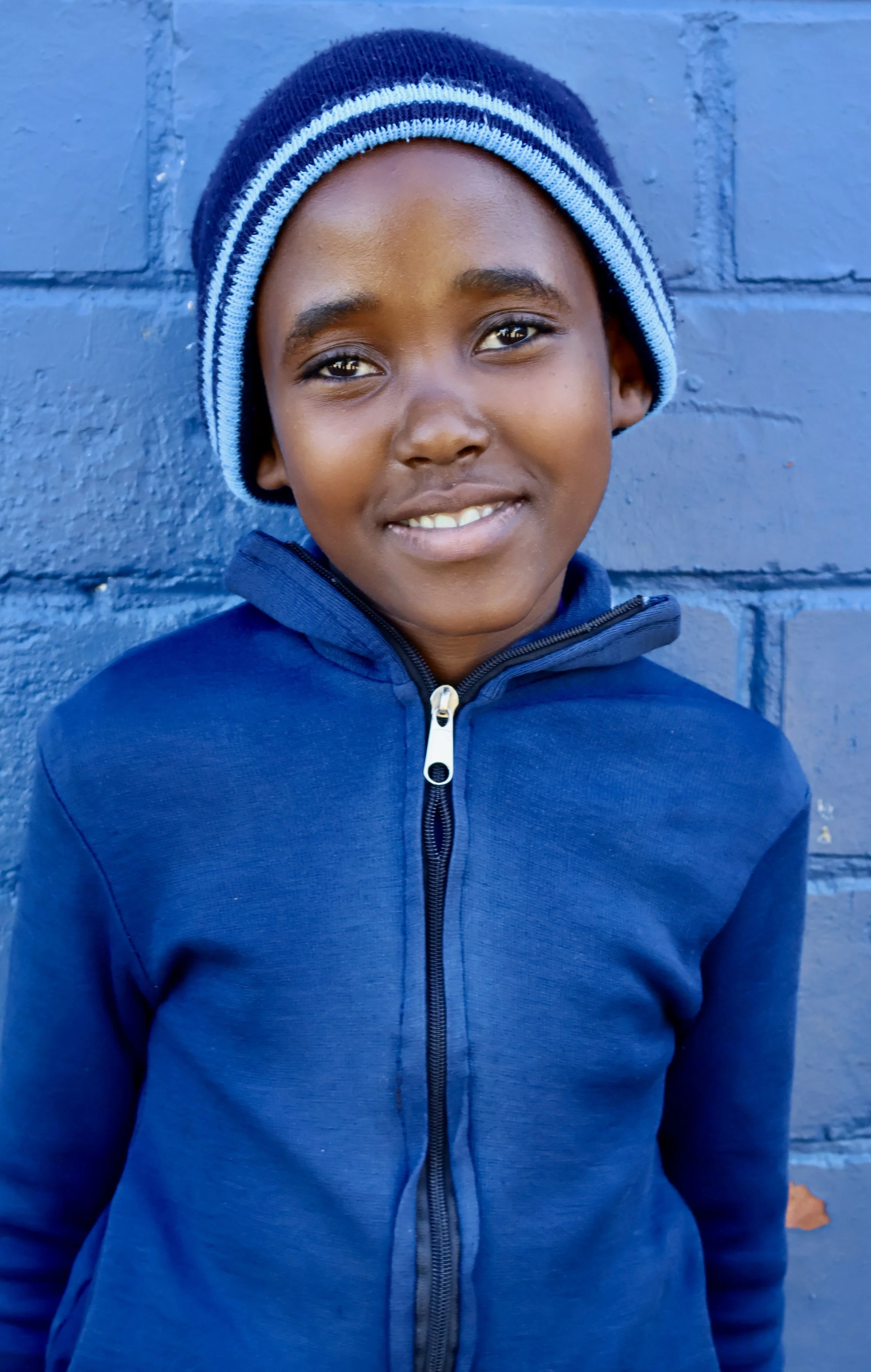
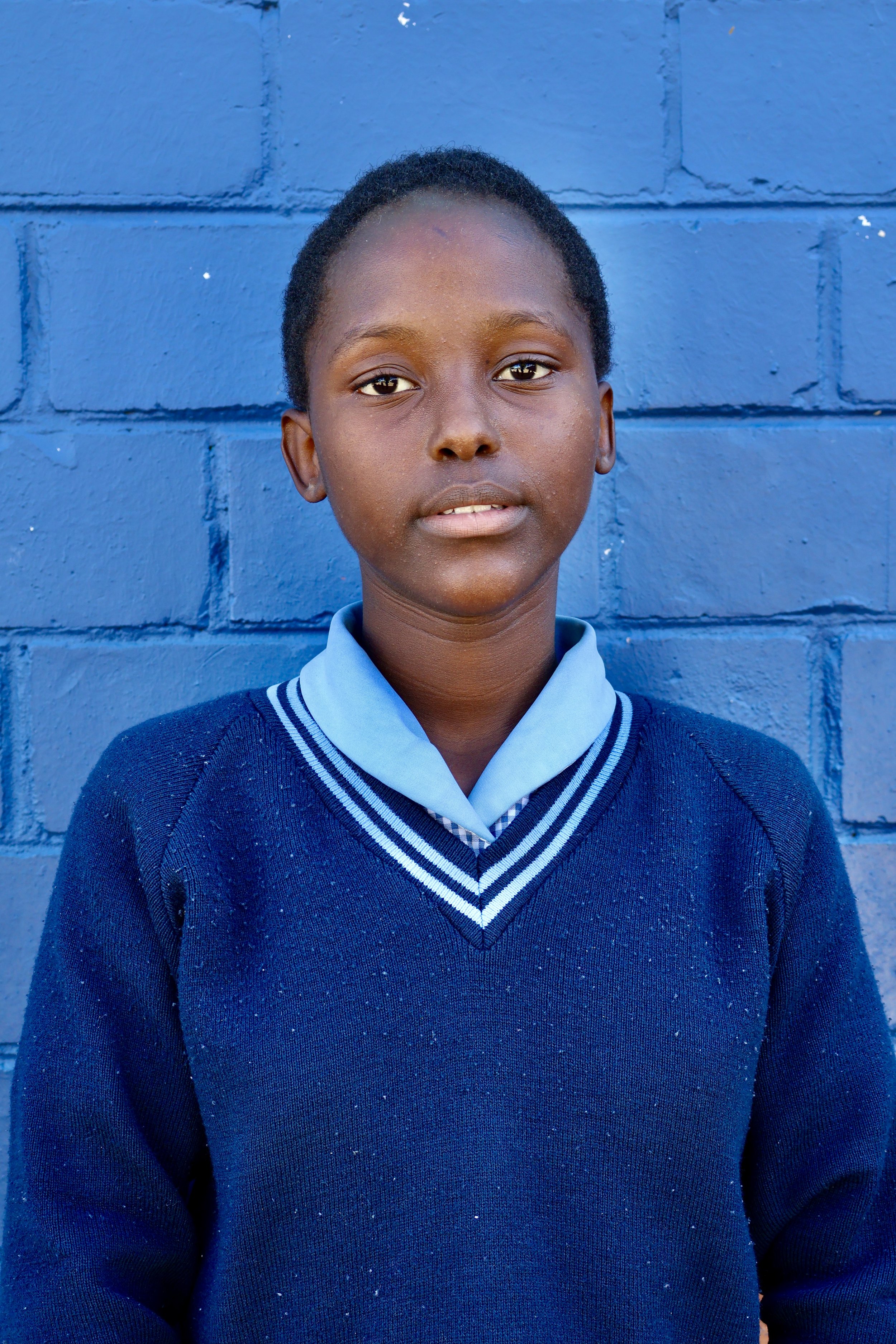
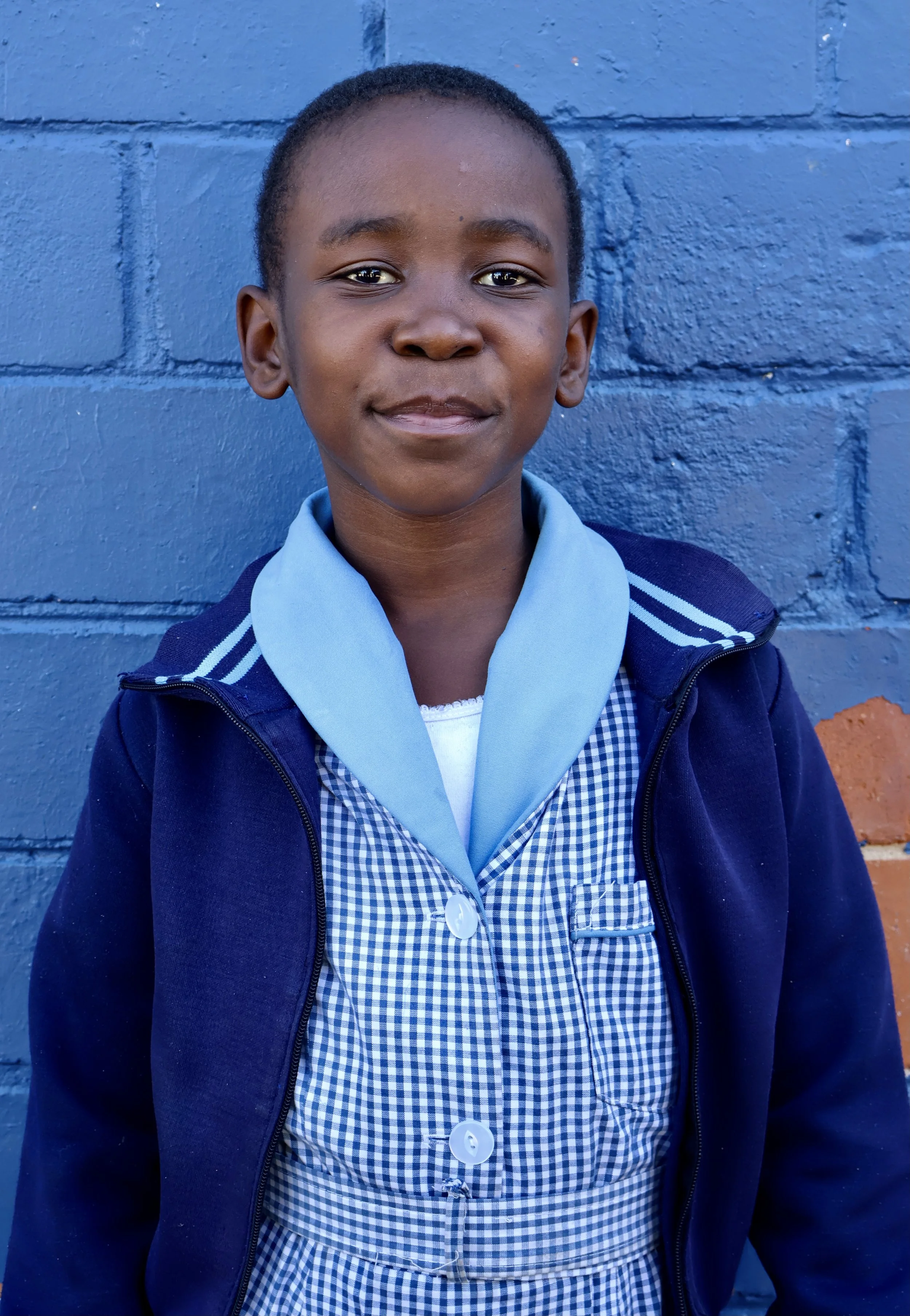
Meet the young photographers of Bavumile Primary School.
📍 Matatiele, Eastern Cape
Before they turned their cameras towards the world around them, the learners of Bavumile Primary School stepped into the frame themselves. Taken in Matatiele, in South Africa’s Eastern Cape, these portraits offer a first encounter with the young people at the heart of PhotoXP: curious, expressive and ready to tell stories of their own.
Facilitated by Thandwayinkosi “Nkosi” Buthelezi, the programme introduced learners to photography as a practice of observation, curiosity and storytelling. Working under the theme “My School,” the learners were encouraged to document the movements and activities around them, from morning assembly and classroom lessons to the quieter moments that make up the texture of everyday school life.
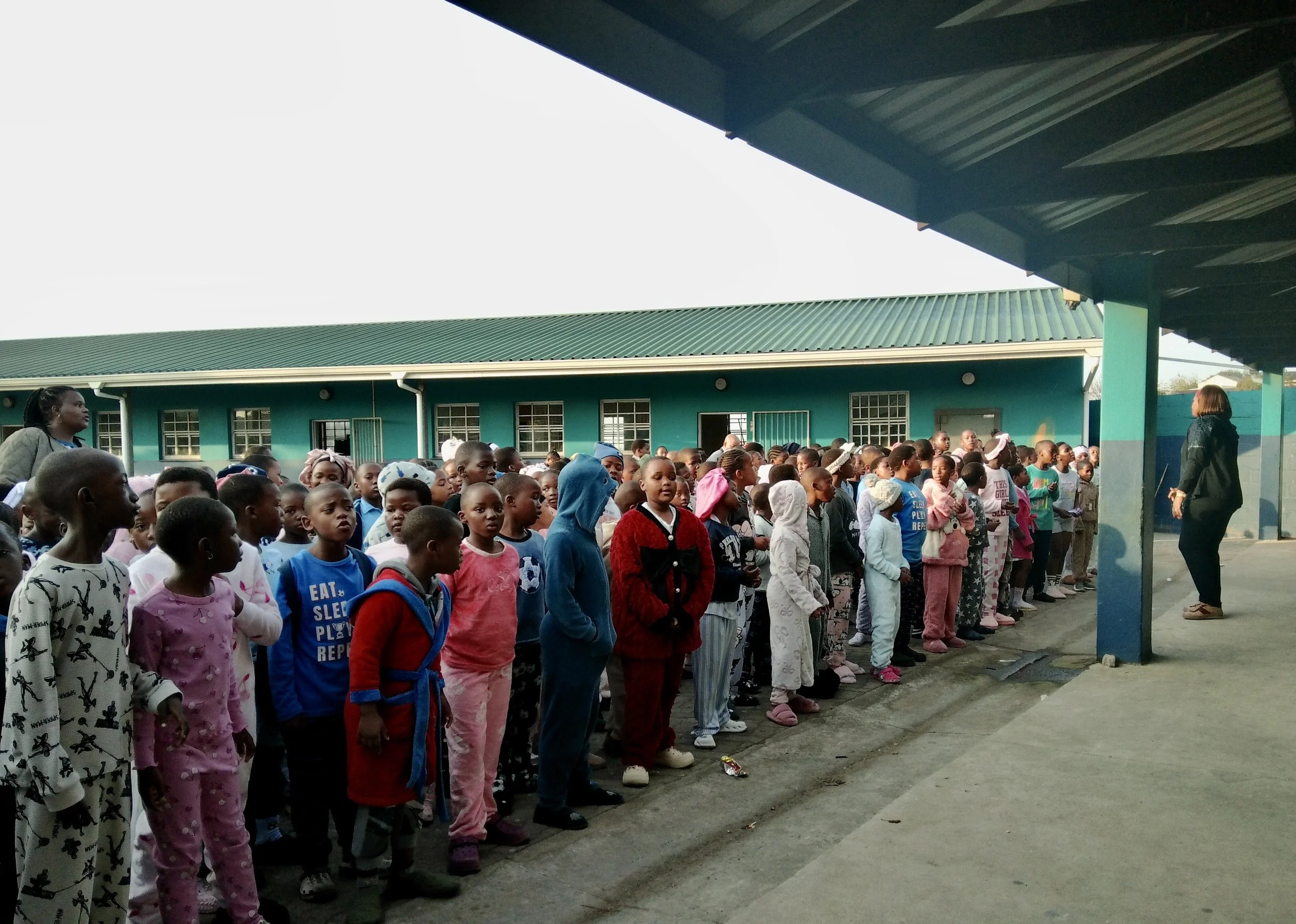
Before the lessons, before the bells, everyone gathers.
Bavumile Primary School, Matatiele.
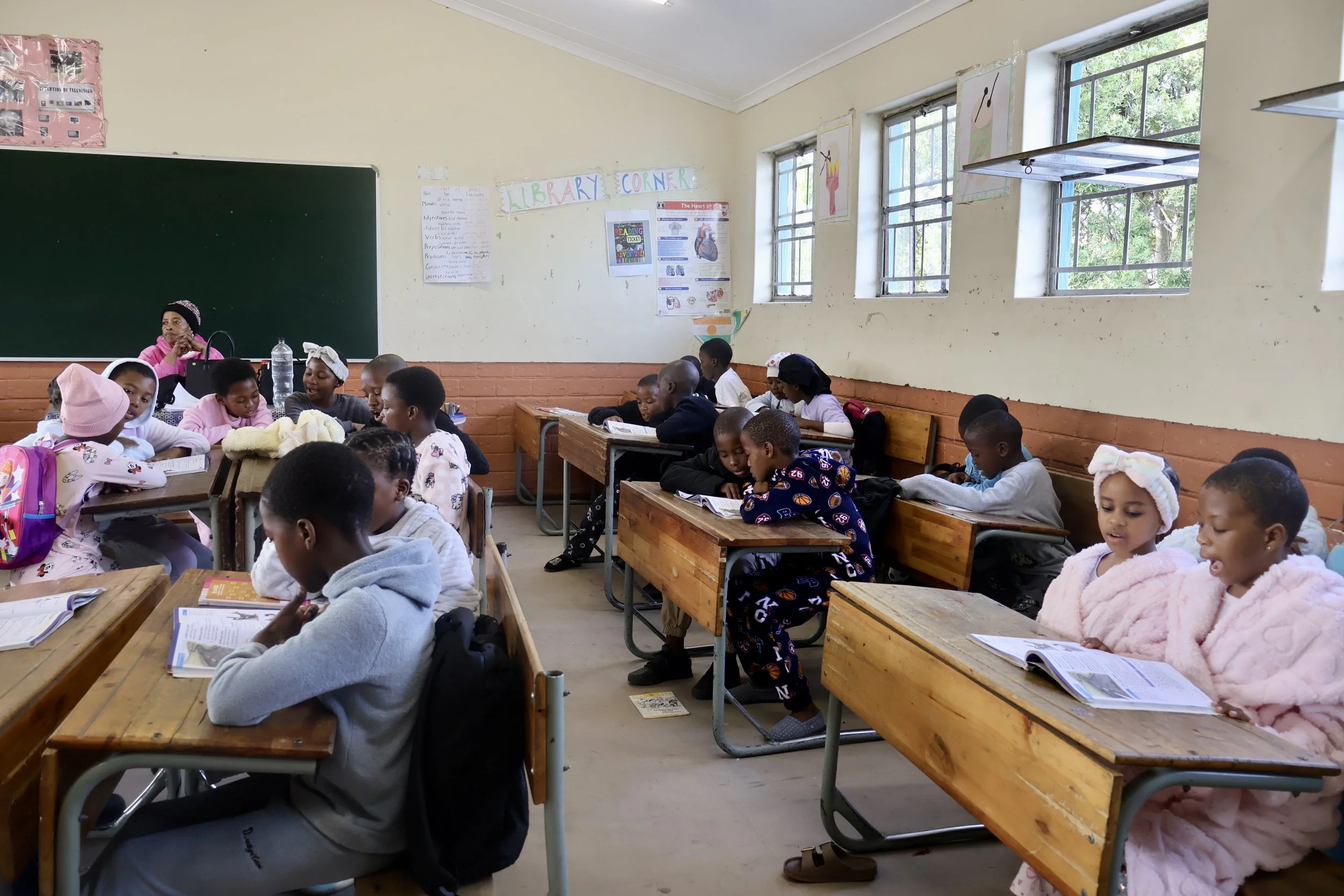
Beyond the assembly, the work of the day begins.
Inside a classroom at Bavumile Primary School.
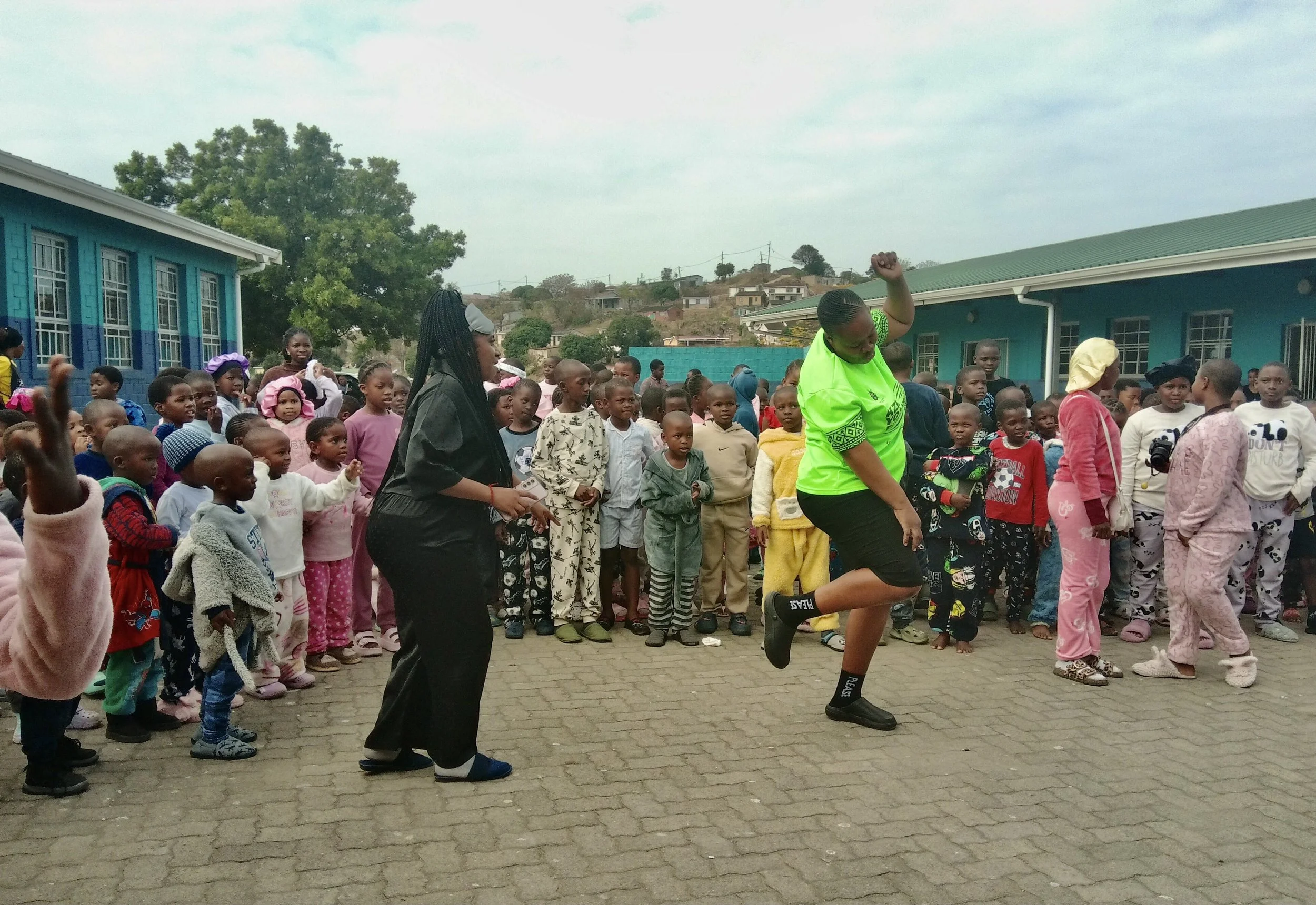
Outside the classroom, another kind of learning takes place.
Bavumile Primary School, Matatiele.
For Nkosi, the experience carried a deeply personal significance.
Being among the first documentary photographers in their township had felt meaningful, yet there was also a sense of isolation in being one of few people doing that work. When Professor Muholi approached them about passing their skills on to young people, Nkosi saw an opportunity for their knowledge to live beyond their own practice.
“For me, it meant that the knowledge I had gained could live beyond me.”
Their hope was not only to introduce the learners to photography, but to give them the opportunity to develop the skills and confidence to tell their own stories.
At Bavumile, this began with the camera itself. Learners were introduced to the fundamentals of photography, including framing, focusing, shooting and depth of field. Nkosi recalls being struck by their willingness to learn and by the confidence they demonstrated as the sessions progressed.
Some learners quickly became comfortable with the camera. What stayed with Nkosi most, however, was watching their confidence grow from one lesson to the next. Their dedication and creativity emerged alongside an increasing familiarity with the process of making photographs.
The experience was not without its challenges. A shortage of equipment meant that the cameras had to be shared, with each learner taking a turn before passing the camera to the next person. Nkosi used a timer to ensure that everyone had an opportunity to hold a camera and make photographs of their own.
For Nkosi, one photograph from the project has stayed with them in particular.
Taken by one of the learners, it showed a girl running home in the rain without an umbrella. The photograph was not technically perfect, Nkosi reflects, but technical perfection was never what made the image memorable.
“Technically, the photograph is not perfect, but that is not what stayed with me.”
What remained was the story it carried. For Nkosi, the image spoke to the realities that children are growing up within and became a reminder of why documentary photography matters: sometimes an image can communicate something about a person's life that words struggle to hold.
That understanding sits at the heart of the experience at Bavumile. The learners were not only learning how to operate a camera. They were also being encouraged to observe their surroundings and consider what they wanted to document. In doing so, they became active participants in telling the stories of the world around them.
The relationship between facilitator and learners became an important part of that process. Nkosi remembers the warmth with which the children welcomed them into the classroom, recalling “the love and the glow on their faces” when they saw them coming in for class. Those moments made Nkosi realise that what they were doing meant something to the learners.
Creating that sense of comfort was intentional. Nkosi reflects on making sure that their learners felt seen and appreciated, encouraging them with their words, celebrating their efforts and creating an environment where they could feel comfortable being themselves and expressing their creativity.
As the project progressed, the photographs began to form a collective portrait of life at Bavumile Primary School. They documented the routines that shape the school day, from assemblies and classroom activities to moments of enjoyment and connection among the learners. In the images, the school appears through the perspectives of the young people who experience it every day.
For Nkosi, seeing the images come together was a significant moment. It showed them what the learners had absorbed through the lessons, while also opening up a larger possibility.
“Seeing these young people tell stories through photography made me think about the possibility of having more storytellers and documentarians coming from Umlazi.”
The experience gave Nkosi hope and reinforced the importance of creating spaces where young people can develop their creative voices.
Programmes such as PhotoXP can offer learners an opportunity to discover different ways of seeing and expressing themselves. As Nkosi reflects, not every child will find their strength in the same place. For some, creativity, storytelling or photography may become the space through which they discover something valuable about themselves.
These opportunities also affirm something fundamental: their voices matter.
Long after the cameras are put down, Nkosi hopes the learners will carry something from the experience with them: the importance of sharing and documenting their stories, and an understanding that they are special, needed and capable of telling those stories themselves.
Most of all, they hope the learners remember that their stories matter and that they have the power to tell them.
Facilitator: Thandwayinkosi “Nkosi” Buthelezi
Photographs by Thandwayinkosi “Nkosi” Buthelezi
