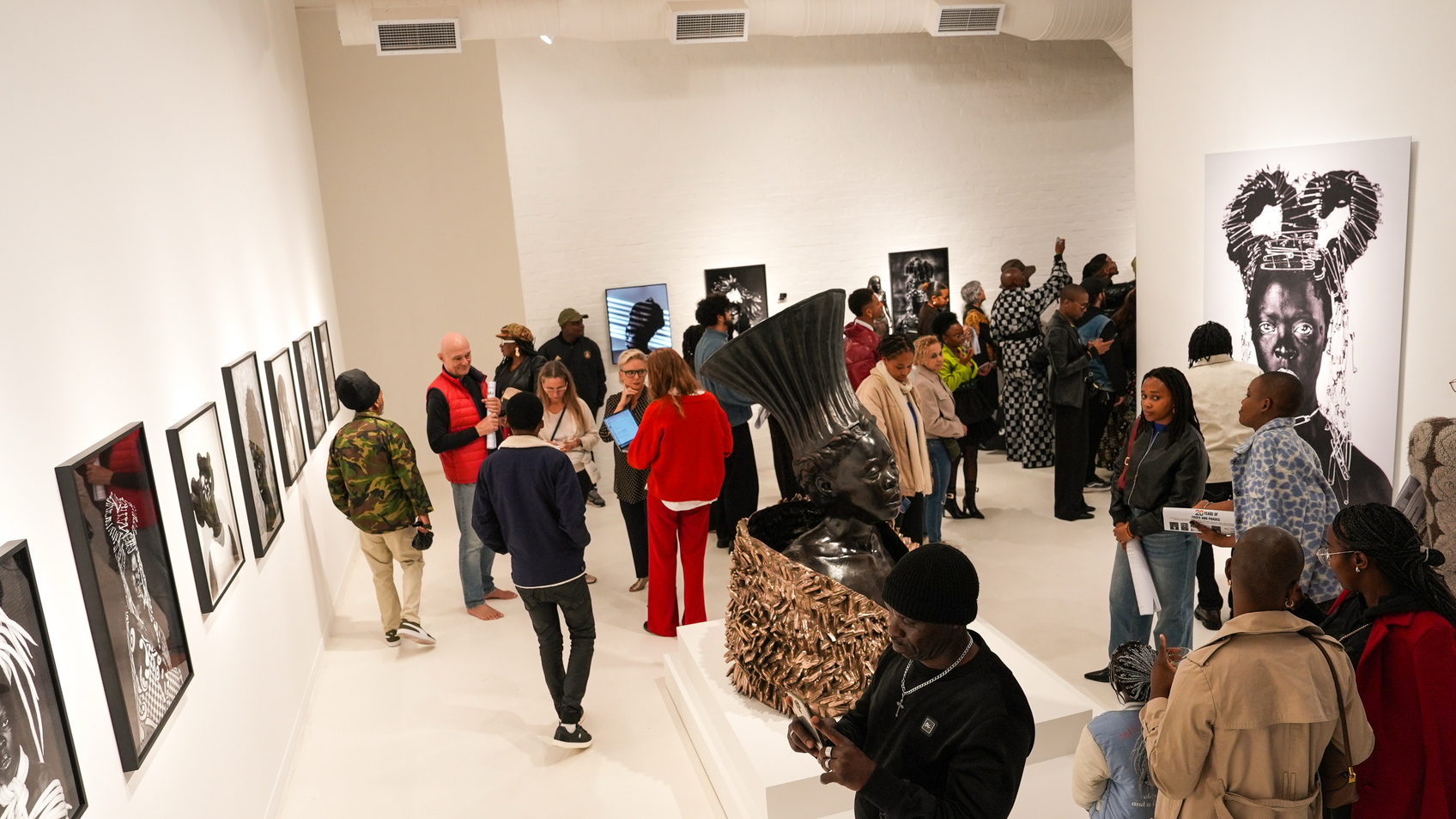
KANYE NAWE: CELEBRATING 20 YEARS OF FACES AND PHASES, ZANELE MUHOLI’S MAJOR SOLO EXHIBITION
By Wakhe Sebenza
Editorial support: Dr Lydia-Anne Plaatjies
Images by Wakhe Sebenza
“THIS IS YOUR SHOW” -MUHOLI OPENS KANYE NAWE WITH A TRIBUTE TO COMMUNITY, COLLABORATION AND QUEER VISIBILITY
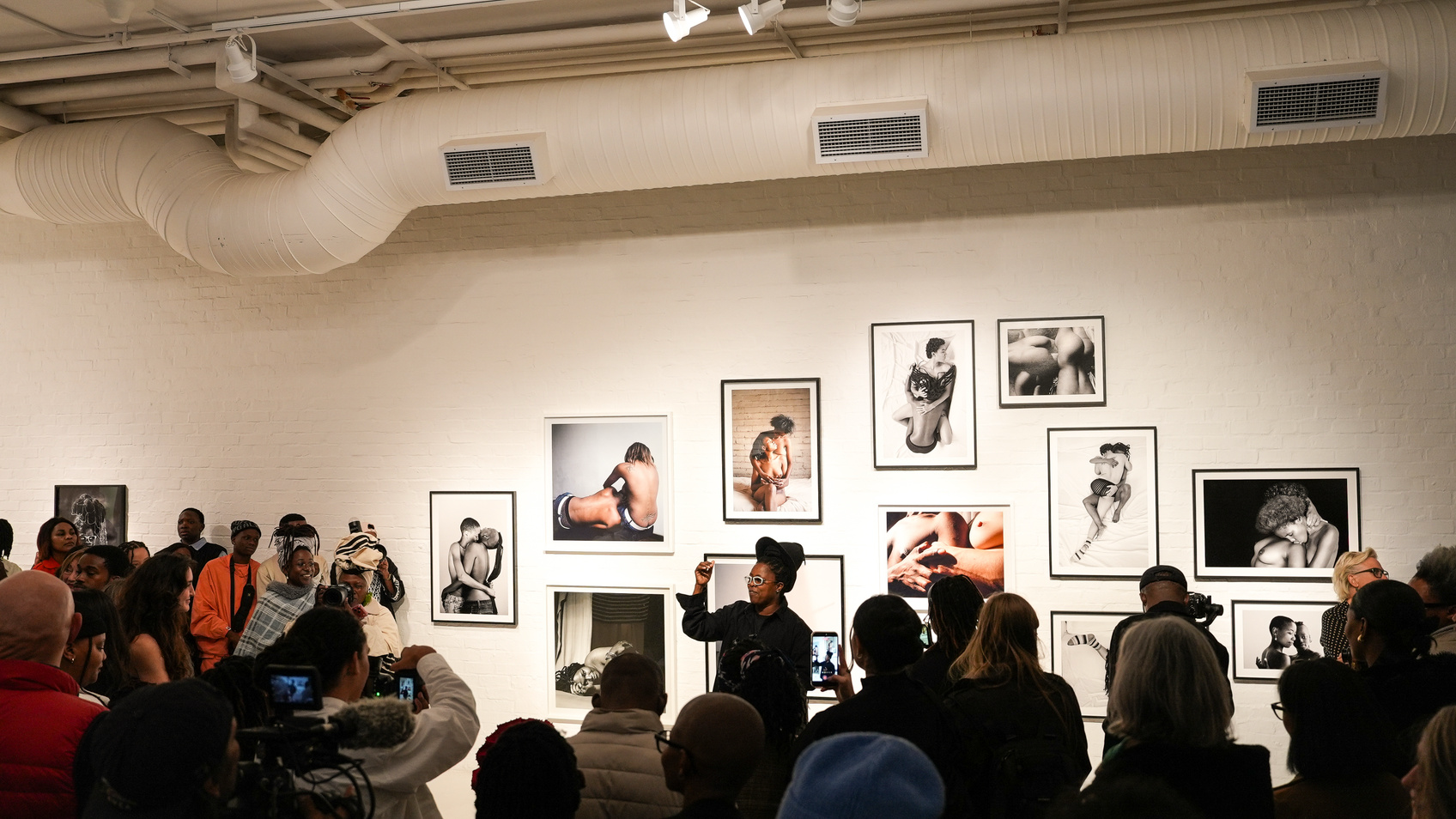
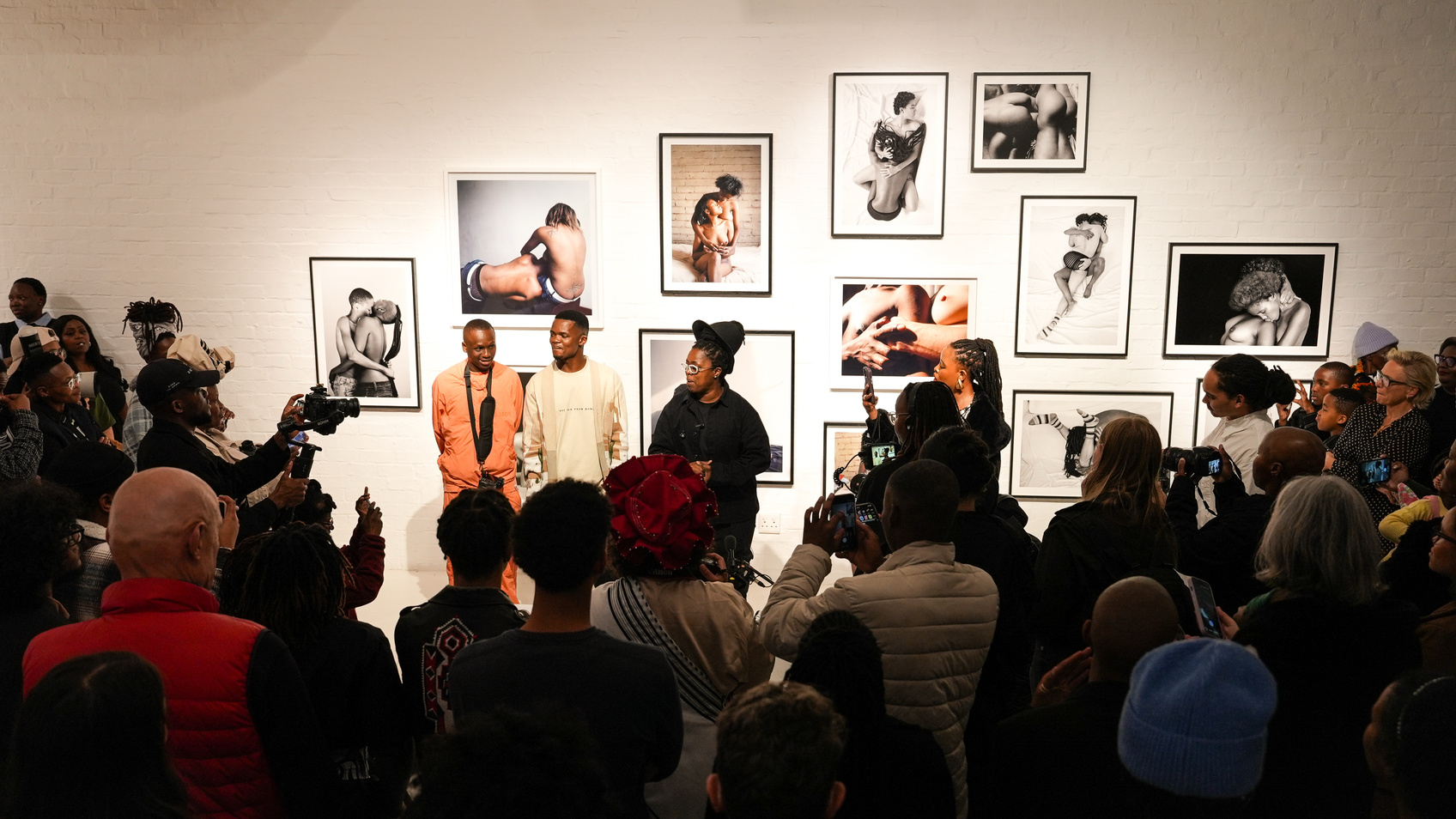
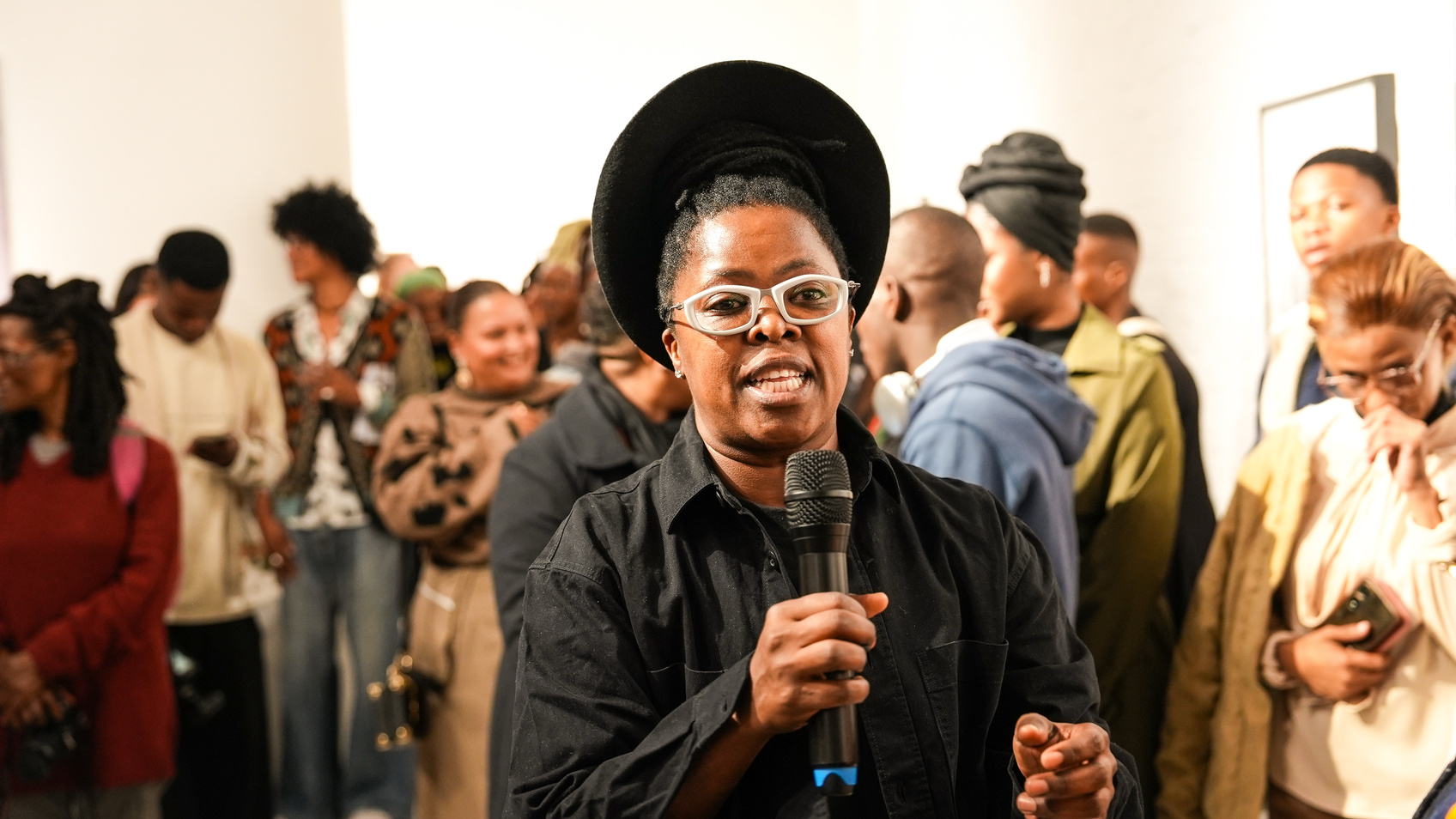
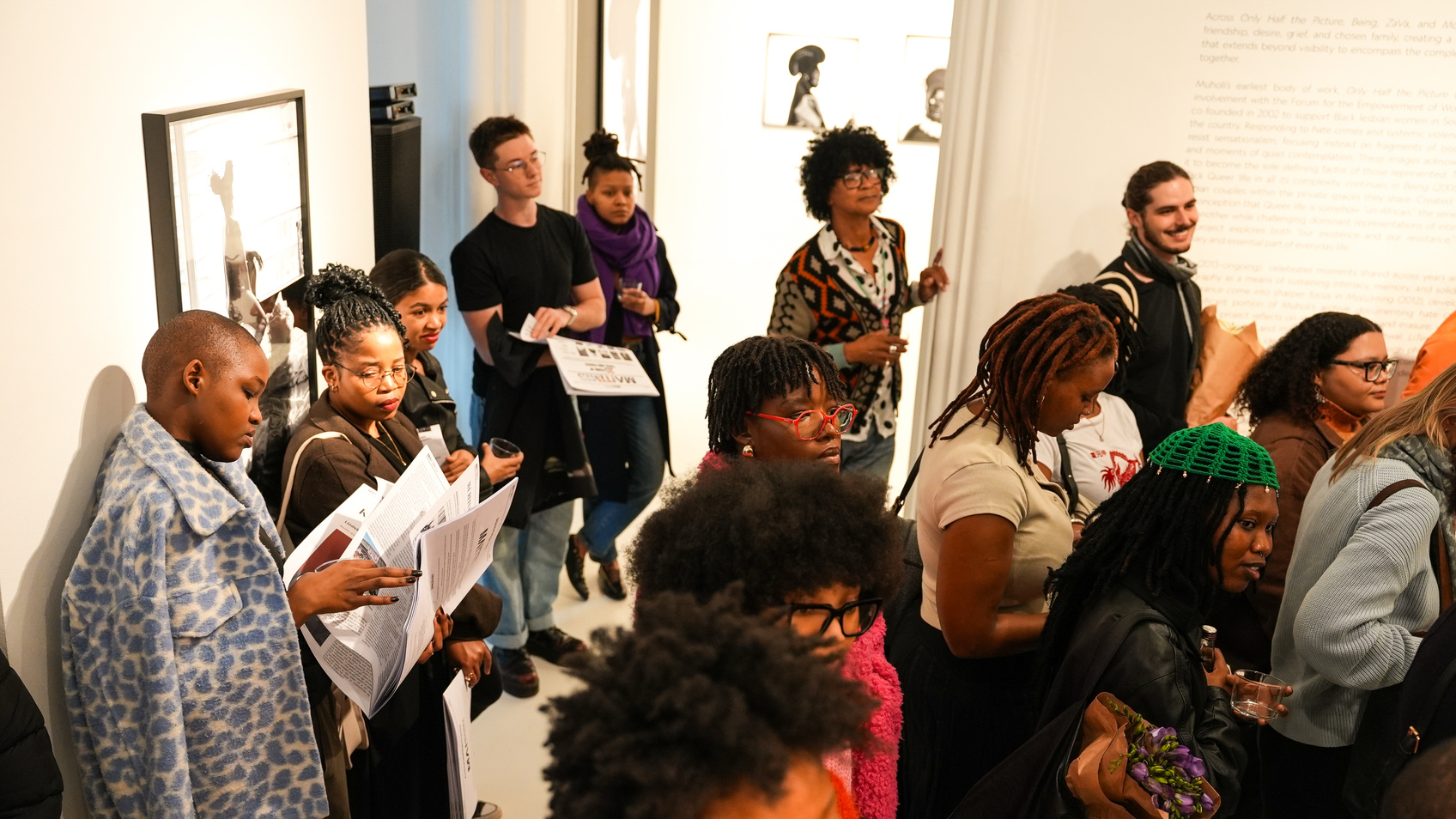
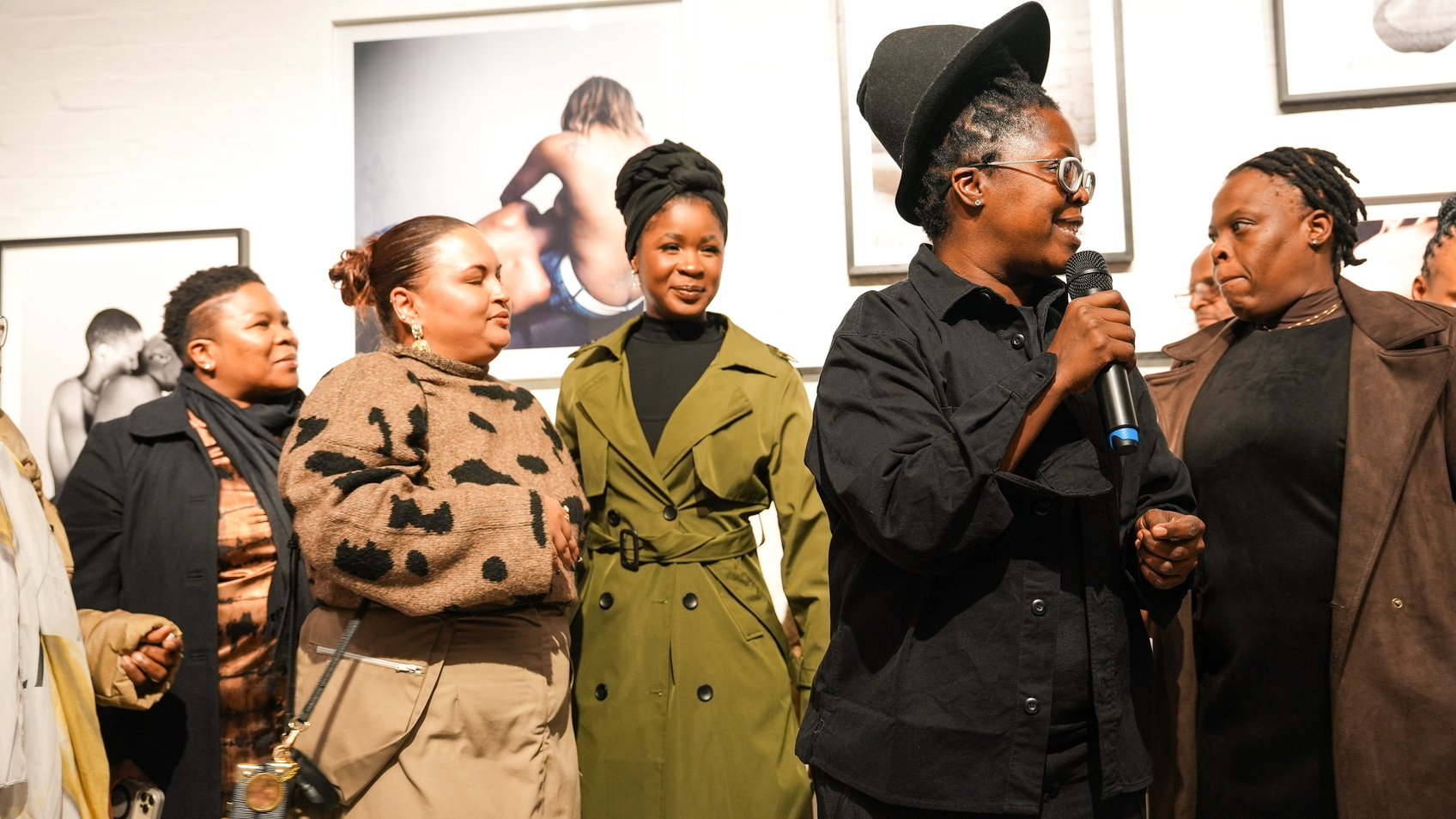
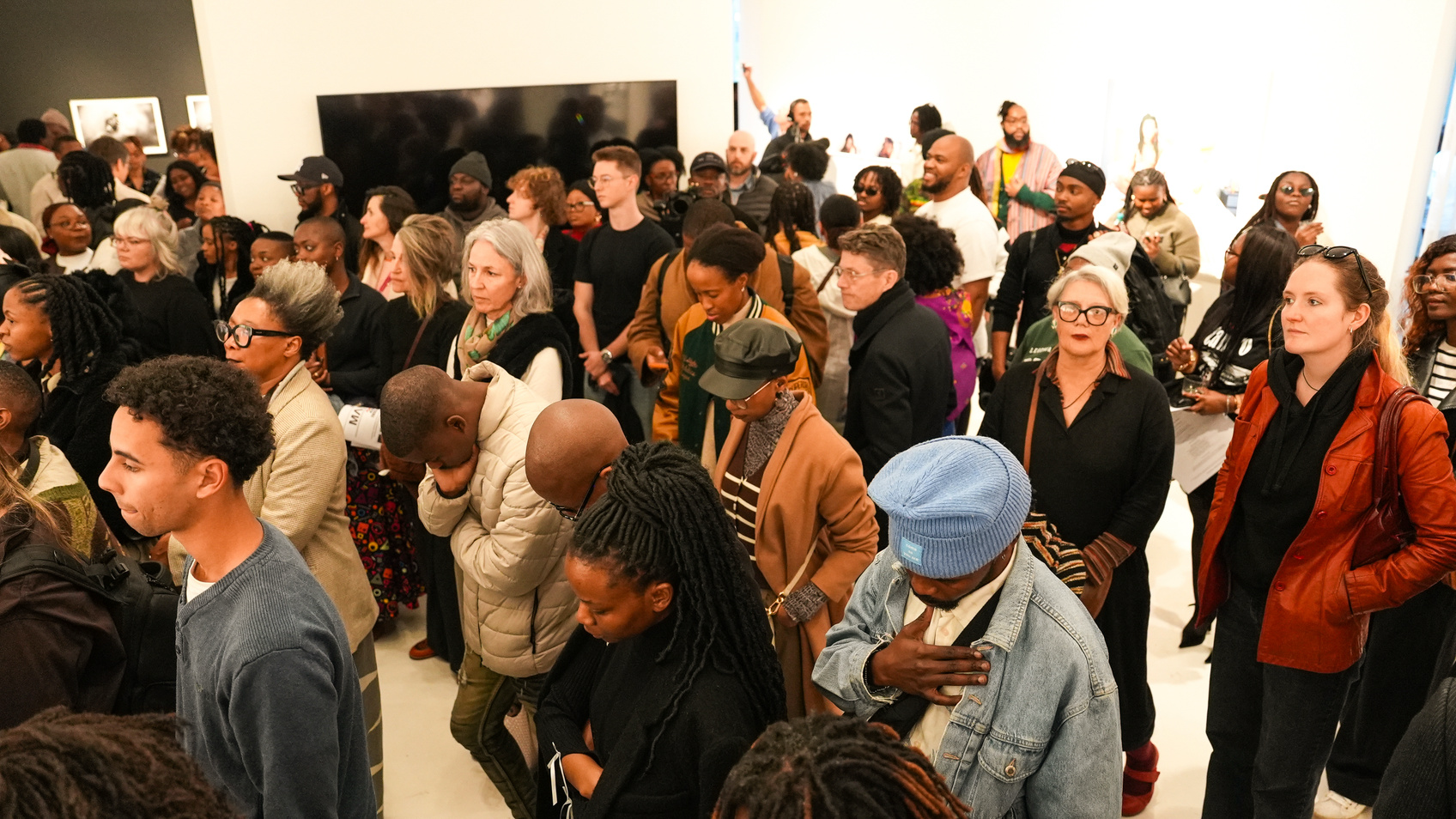
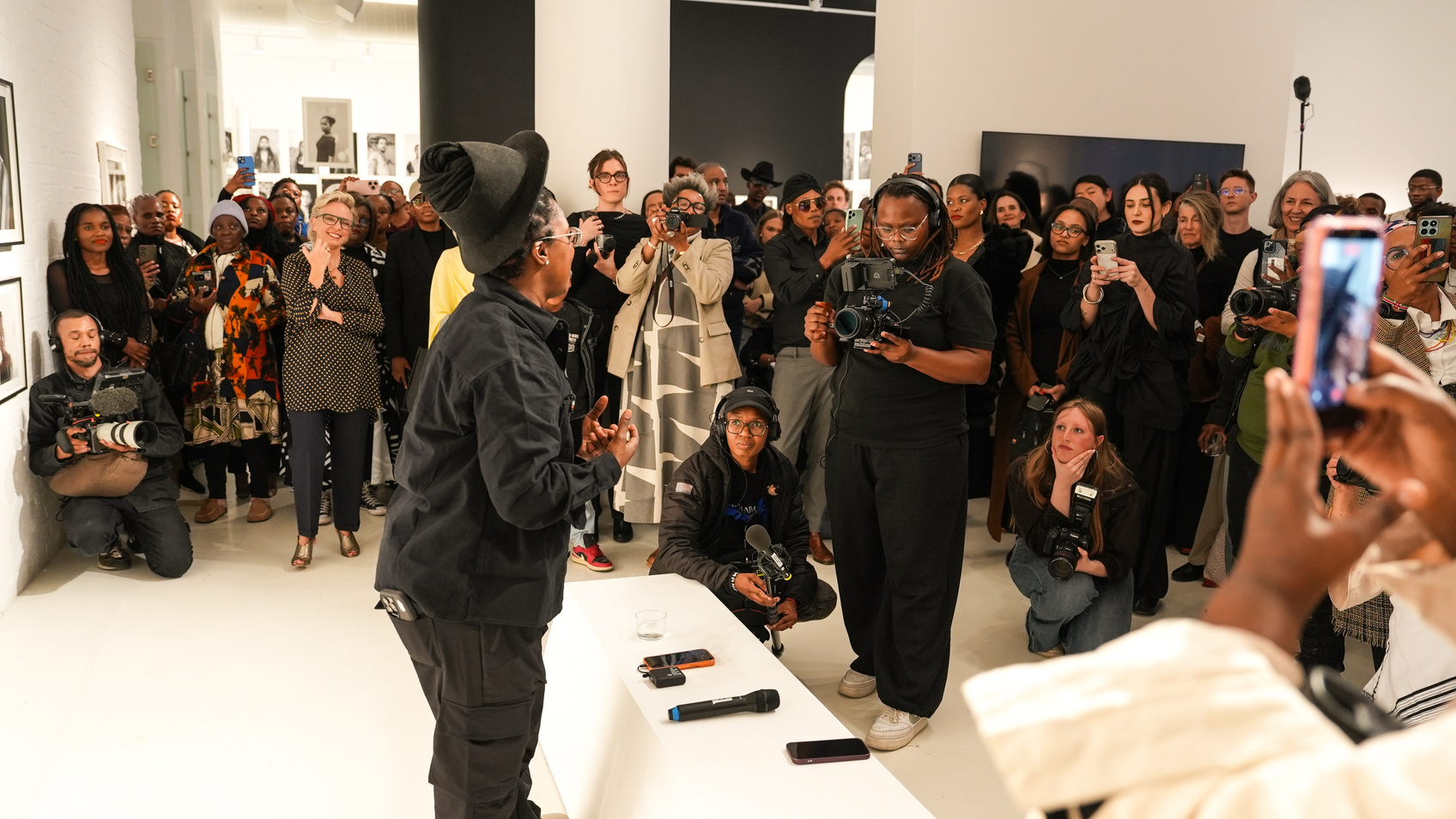
The opening of Kanye Nawe at Southern Guild in Cape Town on Saturday, the 18th of July 2026, was marked by a heartfelt and deeply personal address from Prof. Zanele Muholi, who reminded guests that the exhibition belongs not only to the artist but to everyone whose lives have shaped the Faces and Phases archive over the past two decades. Admitting to feeling anxious before stepping into the gallery, Muholi reflected on the emotional weight of opening an exhibition. “I never know what to wear. I never know what to say,” Muholi told the audience. “I’ve done my part, and now you, as viewers, need to do yours. This is your show.”
The exhibition celebrates 20 years of Faces and Phases, Muholi’s ongoing photographic series documenting the lives of Black lesbian, transgender, queer and gender-nonconforming people across South Africa and beyond. Emphasising that the project is far from complete, Muholi described it as “an ongoing series until further notice.” There is no Faces and Phases without the participants,” Muholi said, acknowledging many of those present whose portraits line the gallery walls. “This work exists because of you.” Throughout the evening, Muholi honoured the people who have walked alongside them over the past 25 years, friends, collaborators, participants, family members, editors, technicians and mentors who helped shape both the artist and the archive. Among those recognised were participants photographed more than 15 years ago, longtime friends from South Africa and abroad and trusted collaborators.
Muholi also paid tribute to journalist and longtime collaborator Shado Twala, who believed in the work during its earliest years, long before international recognition arrived. “When the world wasn’t listening,”
Muholi recalled, “she wrote, edited and helped make sense of what I was doing.”
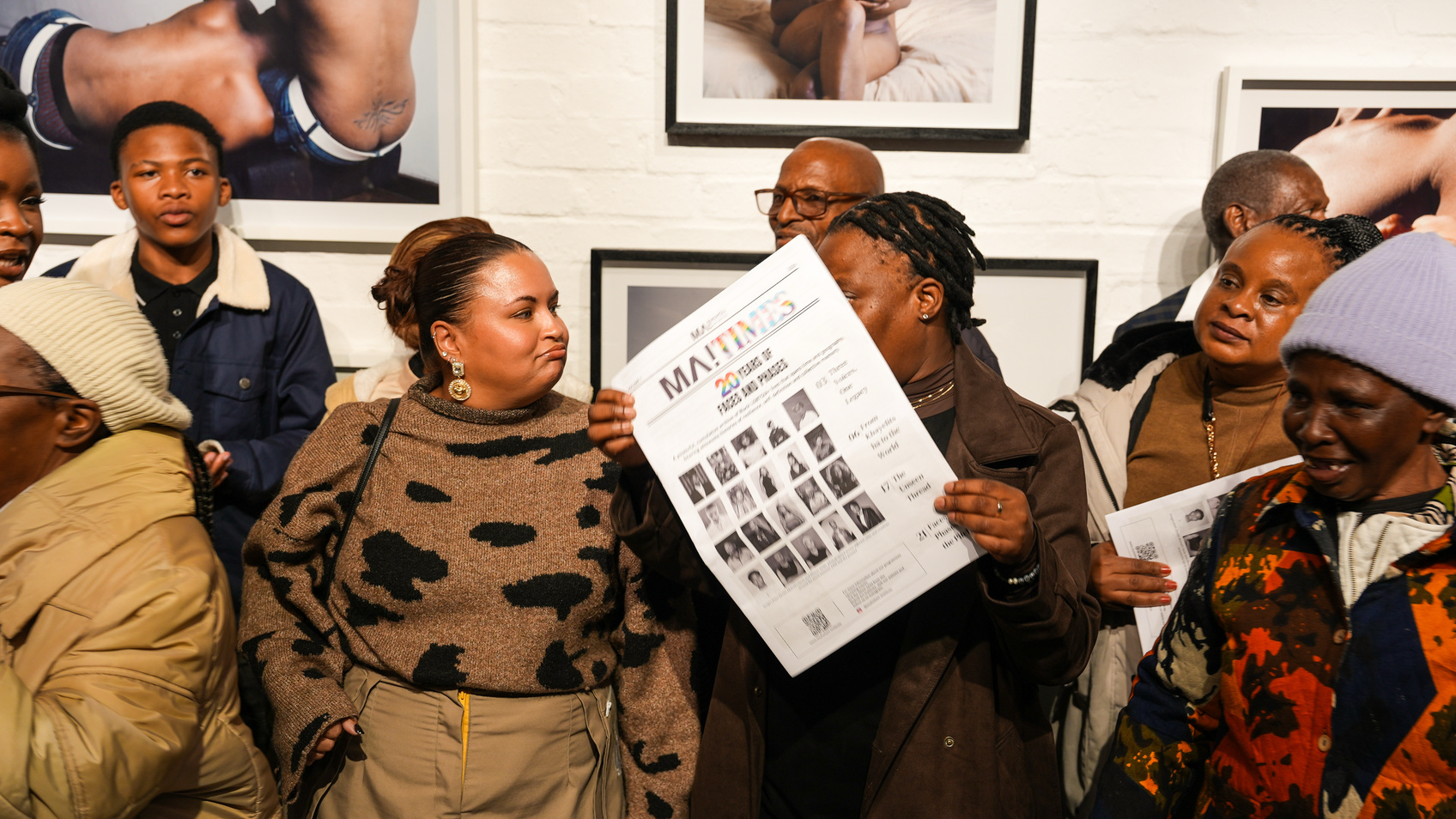
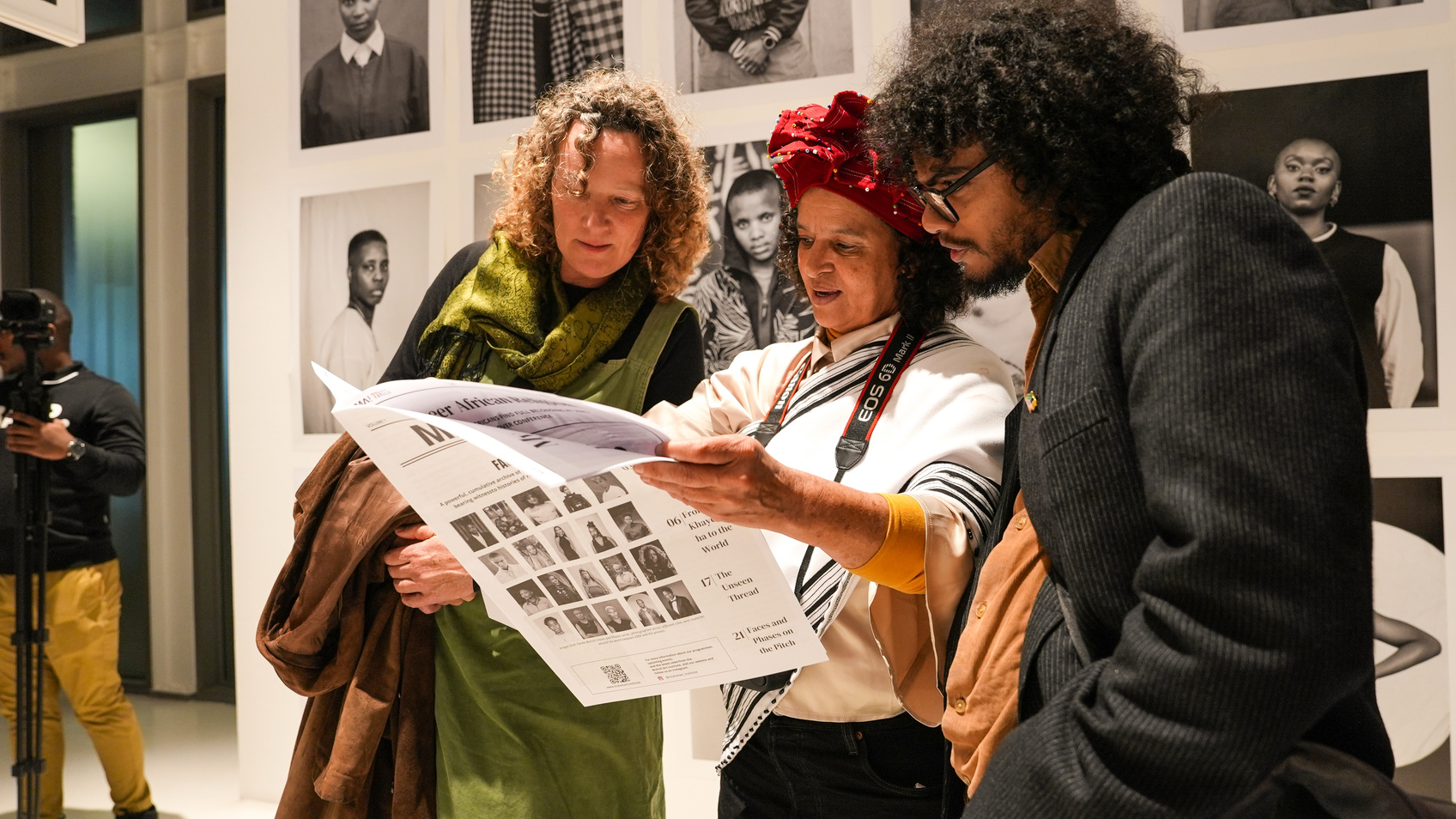
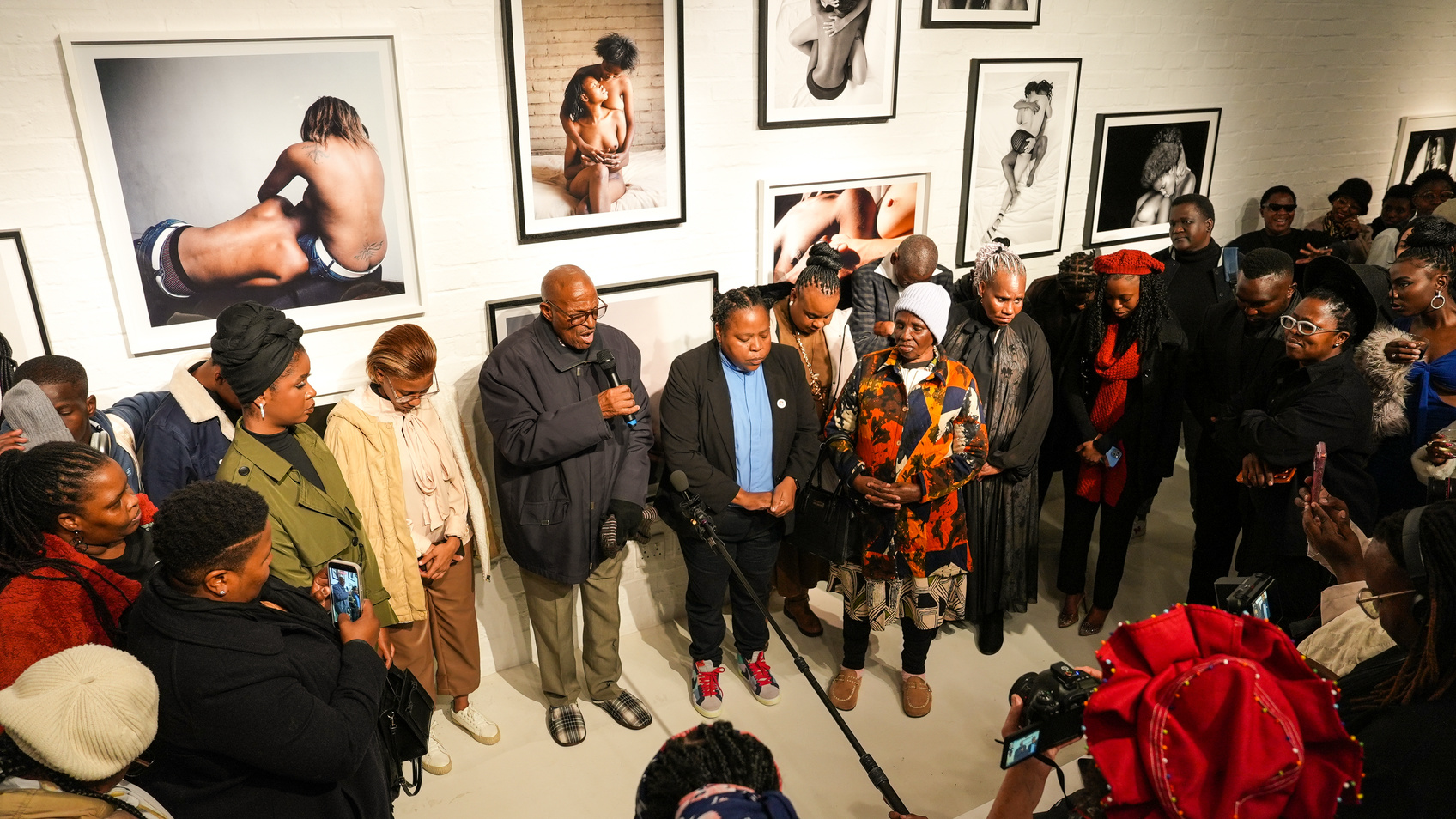
One of the evening’s most moving moments came as Muholi invited an early participant, “Mancane” from Alexandra Township, to stand before the audience. Reflecting on their years as a photography student, Muholi explained how the participant welcomed them into their home, creating a safe space to begin exploring themes of gender, sexuality and identity. Those early encounters, Muholi said, became the foundation of some of the most significant images in the Only Half the Picture series, photographs that helped launch an internationally celebrated career. Rather than presenting the work as an individual achievement, Muholi repeatedly described their practice as a collective effort built on trust, generosity and love. Muholi also expressed gratitude to Southern Guild, describing the gallery as a place where they have always been able to create freely and authentically. “I know here I can be me,” they said. “I don’t need to worry about being judged. It’s safer for me to be here.” Before concluding, Muholi acknowledged the Muholi Art Institute team, who produced the exhibition newspaper in less than a week. The publication offers visitors deeper insight into the people and programmes behind the work, extending the exhibition beyond the gallery walls. Calling on the team to stand alongside them, Muholi praised their commitment to documenting Black excellence and ensuring that audiences understand the broader community and collaborative practice behind the archive.
More than an exhibition opening, the evening became a celebration of shared history, chosen family and the enduring relationships that continue to shape Faces and Phases, a living archive that remains as much about community as it is about photography.
SOUTHERN GUILD MARKS MILESTONES AS KANYE NAWE CELEBRATES 20 YEARS OF FACES AND PHASES
Southern Guild Director Julian McGowan opened the Kanye Nawe exhibition by reflecting on a series of significant milestones, positioning the evening as both a celebration of Prof. Zanele Muholi’s groundbreaking work and a moment of national and institutional reflection. McGowan noted that the exhibition coincides with the 10th anniversary of Southern Guild’s home at the V&A Waterfront, while the gallery itself celebrates more than 18 years of championing contemporary African art. Beyond the gallery, she highlighted broader milestones that frame the exhibition, including 30 years since the adoption of South Africa’s Constitution and 20 years since the country became one of the first in the world to recognise same-sex marriage legally.
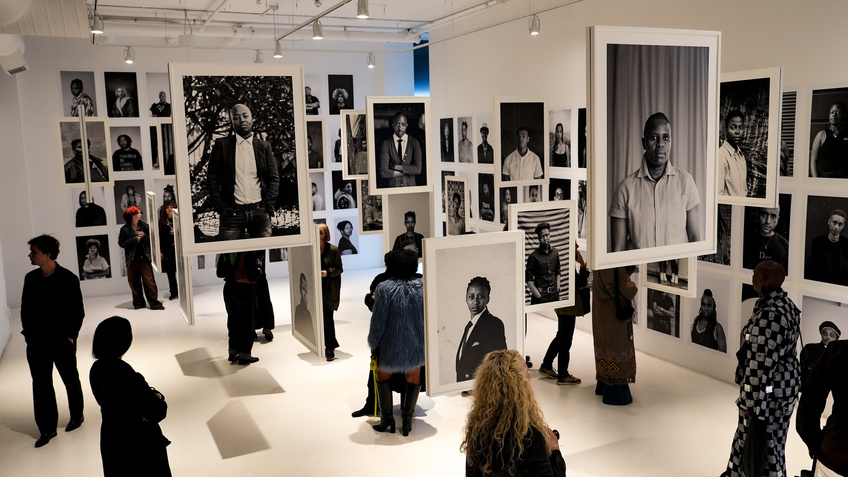
At the heart of the celebration, however, was the 20th anniversary of Faces and Phases, Muholi’s landmark photographic series documenting the lives of Black lesbian, transgender, queer and gender-diverse people. Describing the project as the world’s largest living archive of its kind, McGowan noted that the series has grown to include more than 1,000 portraits collected over two decades. She explained that the anniversary marks a defining moment in the archive's evolution, with Muholi committing to continue expanding the project as they travel internationally. “What began as a predominantly South African body of work has, over the past two years, become increasingly global,” McGowan said, referring to new portraits made in cities including London, Los Angeles, Porto, São Paulo and Panama City, with the archive continuing to grow wherever Muholi’s practice takes them.
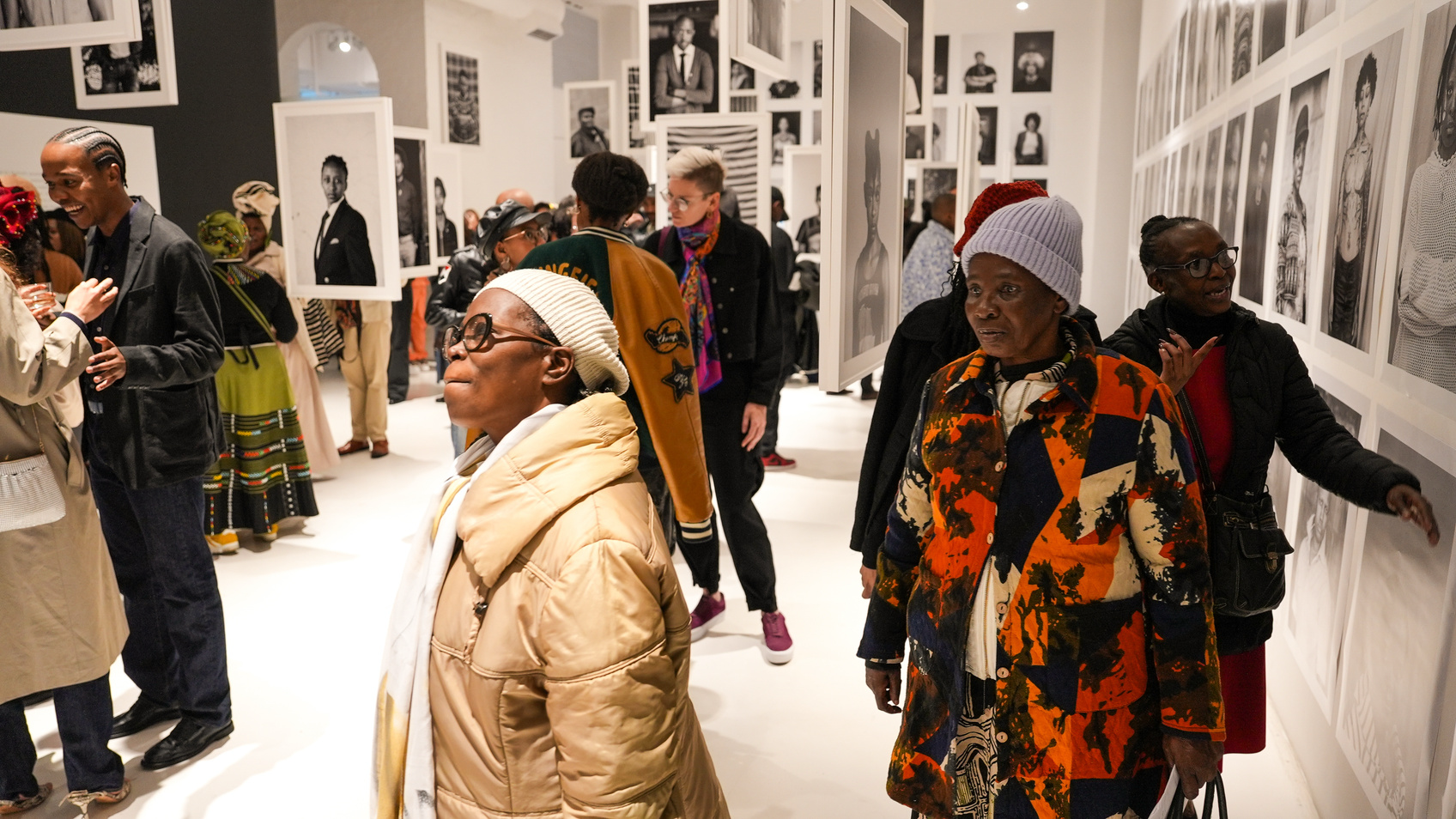
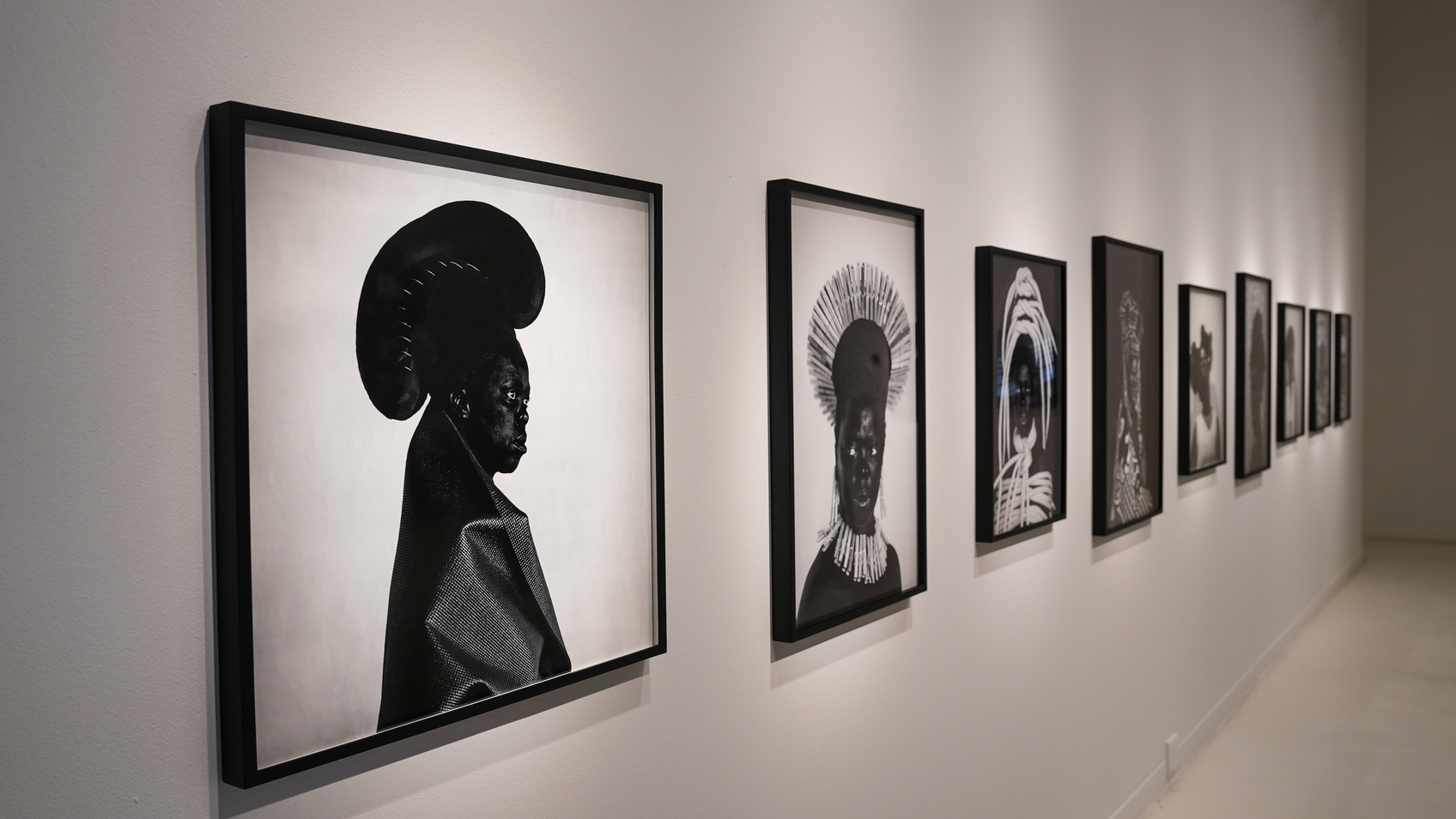
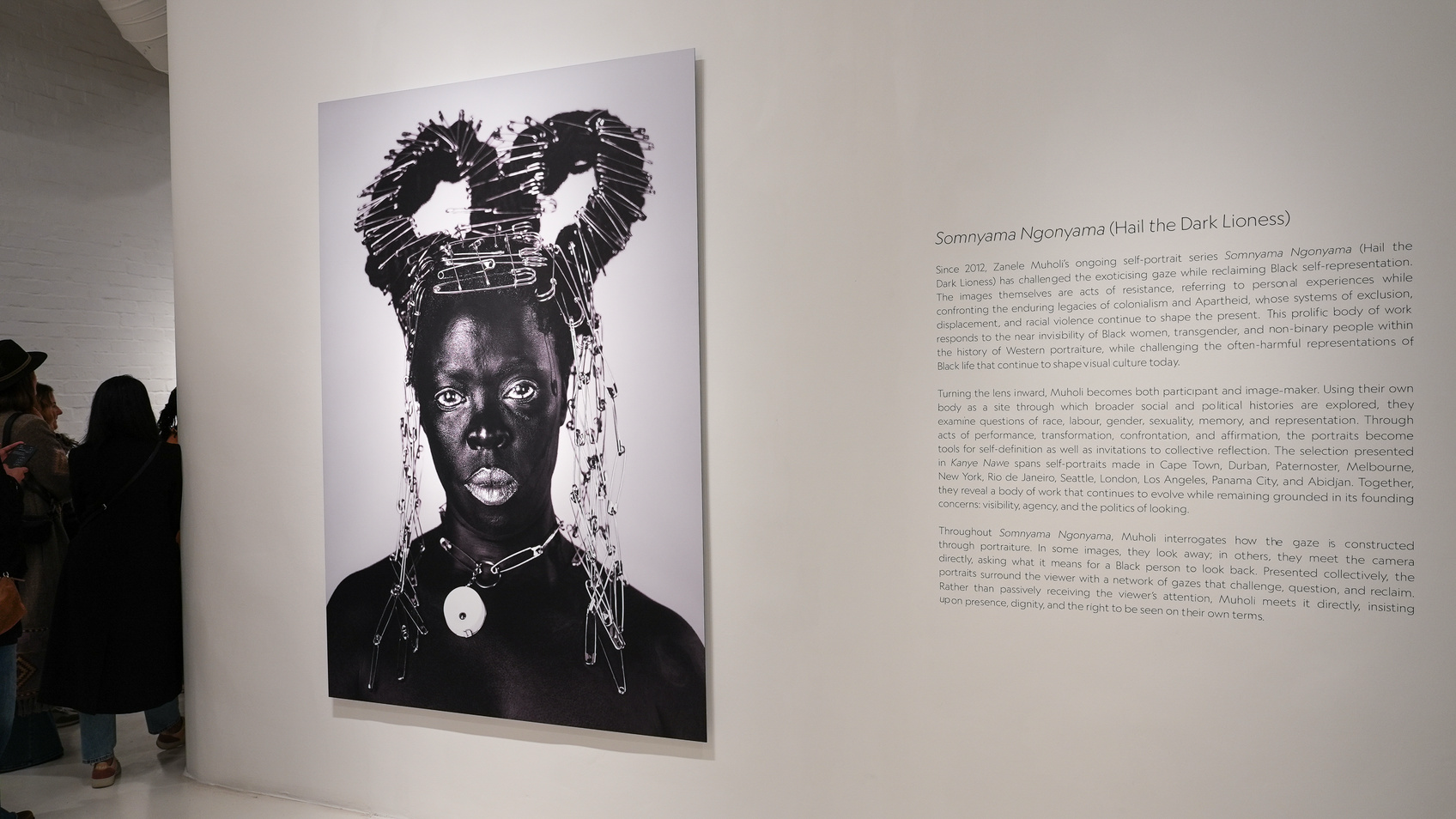
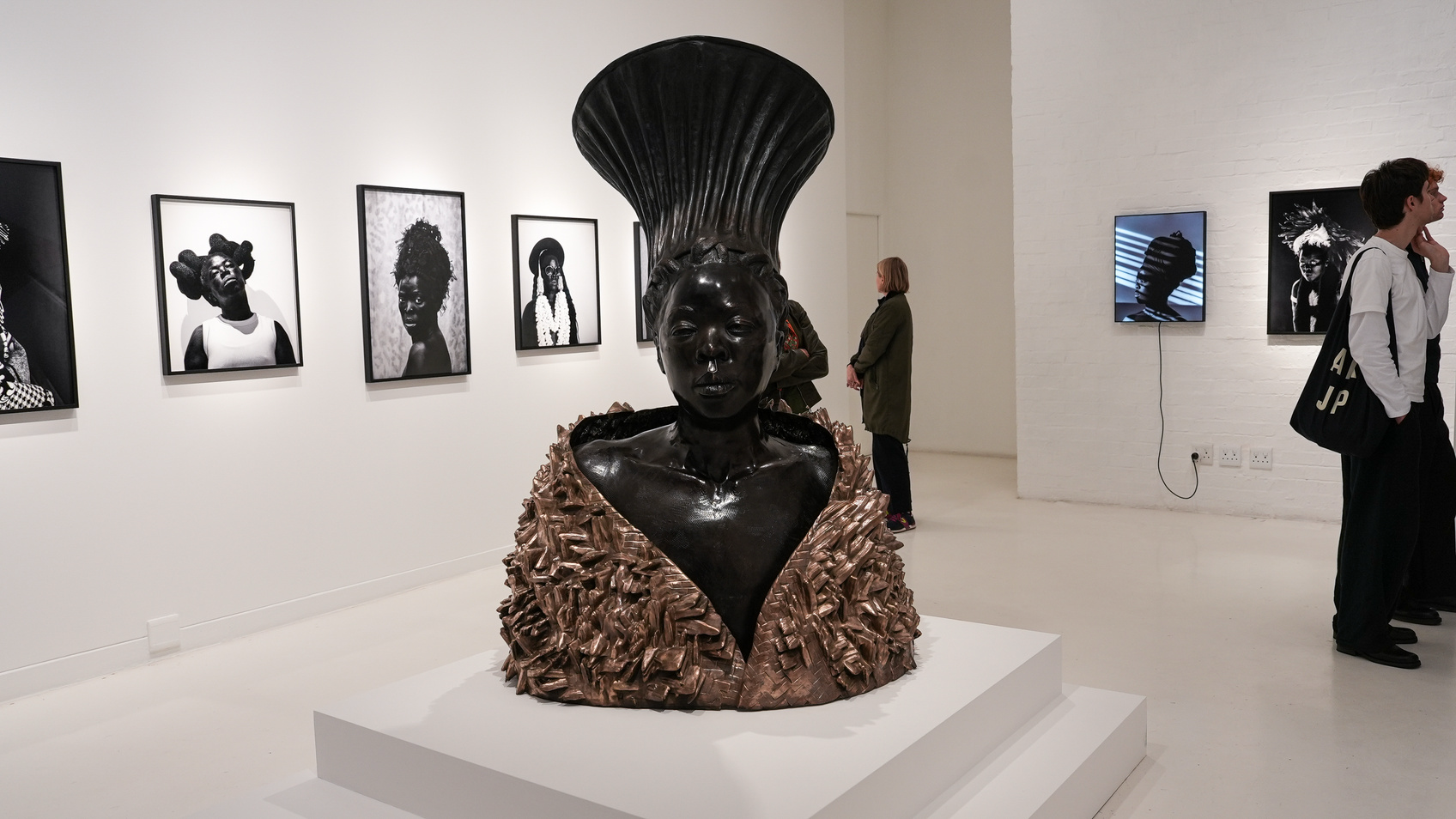
McGowan emphasised that the exhibition on view at Southern Guild brings together works produced between 2005 and 2026, spanning several of Muholi’s celebrated photographic series, including Faces and Phases, Somnyama Ngonyama, Difficult Love, Being, Brave Beauties and Mourning. Despite the breadth of the work, she said a single thread connects every series, an unwavering commitment to making visible those who have historically been ignored, marginalised or erased. “The work brings us together,” McGowan said, “while ensuring that voices too often overlooked are seen, heard and recognised.” Concluding her remarks, McGowan described the evening as a celebration of Muholi’s extraordinary contribution to photography and visual activism. She also acknowledged Muholi’s recent receipt of the prestigious Hasselblad Award, widely regarded as one of the world’s highest honours in photography. Inviting guests to celebrate both the artist and the continuing journey of Faces and Phases, McGowan thanked everyone for joining the opening before welcoming Muholi to address the audience.
MY REFLECTIONS ON KANYE NAWE
When I first heard that the exhibition was titled Kanye Nawe, I immediately felt it was the perfect name. To me, it reflected a journey walked together. Knowing that the exhibition celebrates 20 years of Faces and Phases, I appreciated what I believed Muholi was saying through the title: "I did not come this far alone."
We have walked this journey together. My first thoughts were of the participants, the hundreds of people who entrusted Muholi with their stories and allowed themselves to be photographed over the past two decades. I imagined the title as a gesture of gratitude to them. Learning that the title also has a religious meaning came as a surprise; I did not see that coming.
I have known the hymn Kanye Nawe since childhood. It is a song many of us grew up singing in church, an invitation to God to walk with us every day. Before, during and after the exhibition, I had the privilege of spending time around Muholi. Whether over breakfast, during a walk, or simply bumping into each other at the hotel reception, our conversations happened in bits and pieces. It was through these moments that I came to understand that the exhibition’s title comes directly from that hymn. Muholi shared that it was their mother’s favourite song. Other family members say it was actually their grandmother’s favourite. Either way, it belonged to the family. It was a song of worship, prayer and togetherness. That revelation made the title even more meaningful. As Black people, celebration is often inseparable from song. We sing when we rejoice, when we mourn, when we remember and when we give thanks. It is one of the ways we collectively express ourselves. So it feels fitting that the celebration of 20 years of Faces and Phases carries the name of a song, Kanye Nawe. I also noticed that this anniversary was deeply centred on family, and it was beautiful to witness. From naming the exhibition after a family hymn to ensuring that around 50 members of their family travelled from Durban to Cape Town to be part of the celebration, Muholi made it clear that this milestone belonged to more than one person. In those conversations we shared, whether while walking or meeting at receptions, Muholi spoke about the importance of keeping your family close. Family, they said, is where you come from, and it is where you return when life no longer goes your way. They are the people who will not laugh at you when you lose everything. When the applause fades and everyone else grows quiet, they remain your family.
Watching that philosophy unfold throughout Kanye Nawe made me realise that this exhibition is not only a celebration of an extraordinary photographic archive, but also a celebration of the archive itself. It is also a celebration of home, of memory and of the people who walk beside us long before the world begins to notice. Walking through Kanye Nawe, I was reminded that photography is not only about images, but also about memory, relationships, and the responsibility of witnessing one another. As someone who has spent the past few years documenting the work of the Muholi Art Institute, I have seen how every programme, workshop, interview and publication is connected by one idea, ensuring that stories too often ignored are preserved for future generations. Standing in the gallery, that idea felt more tangible than ever. The portraits in Faces and Phases do not simply hang on the walls; they look back at us. Each face carries a history, a life and a quiet insistence on being seen. Together, they form a living archive that continues to grow, reminding us that representation is never finished.
I arrived in Cape Town the morning before the exhibition at Muholi’s invitation, and I remain deeply grateful for it. I dropped my bags at the hotel's reception, which we have frequented over the years. They asked no questions. They have come to know the faces of the Muholi Art Institute team, and in many ways, they have become a home away from home. Leaving my bags there, I rushed straight to Southern Guild to see how far the installation had progressed.
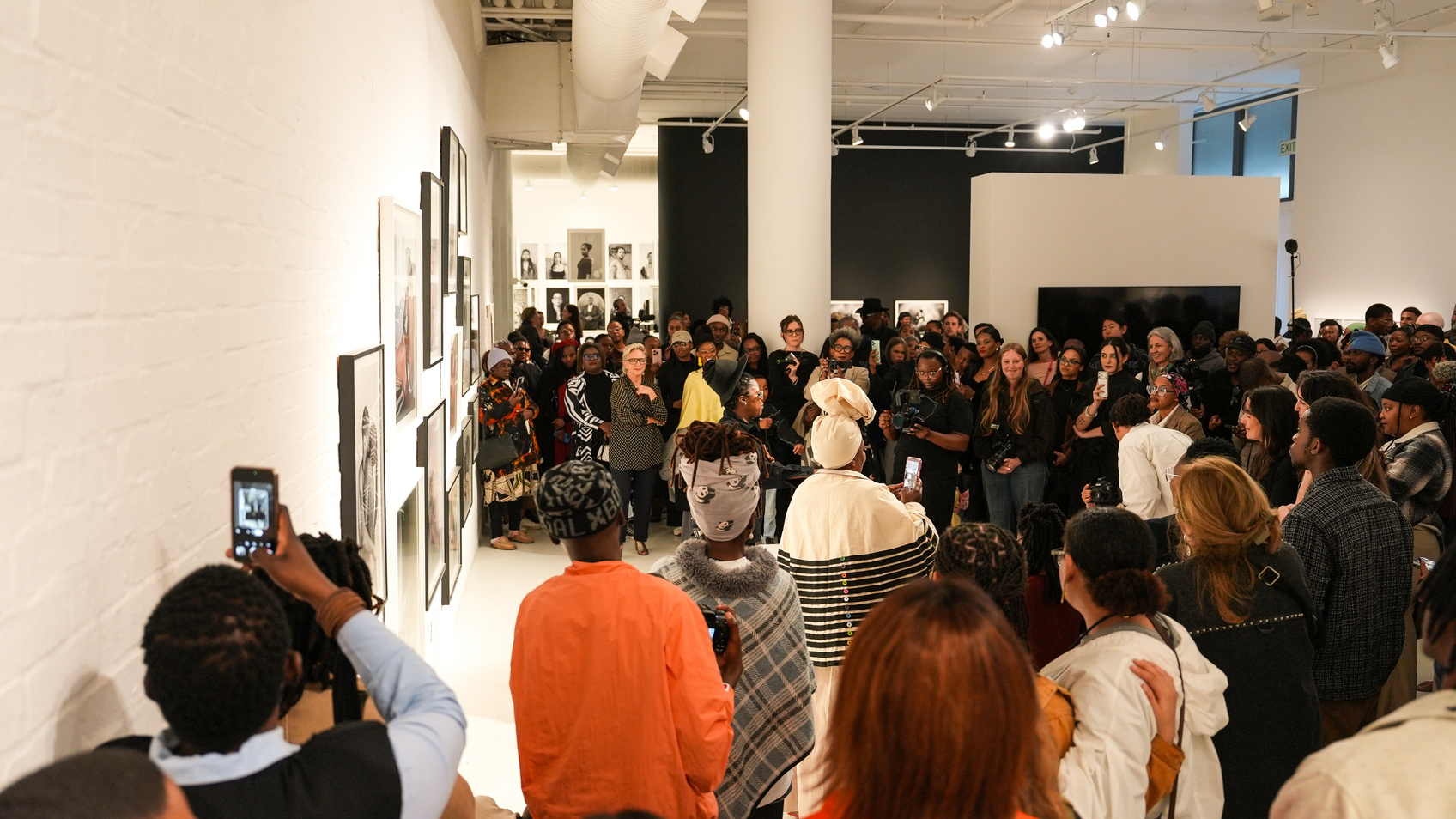
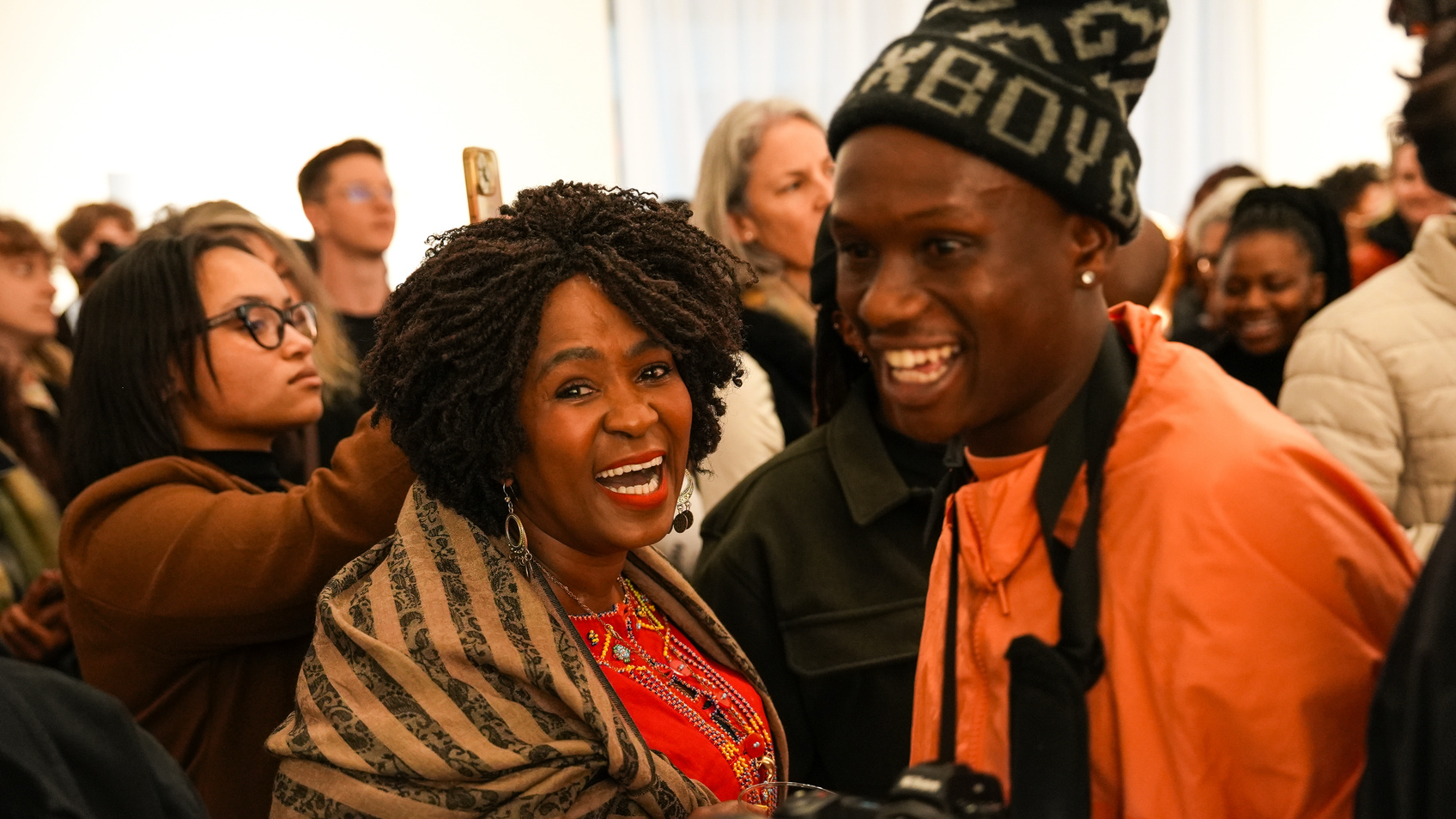
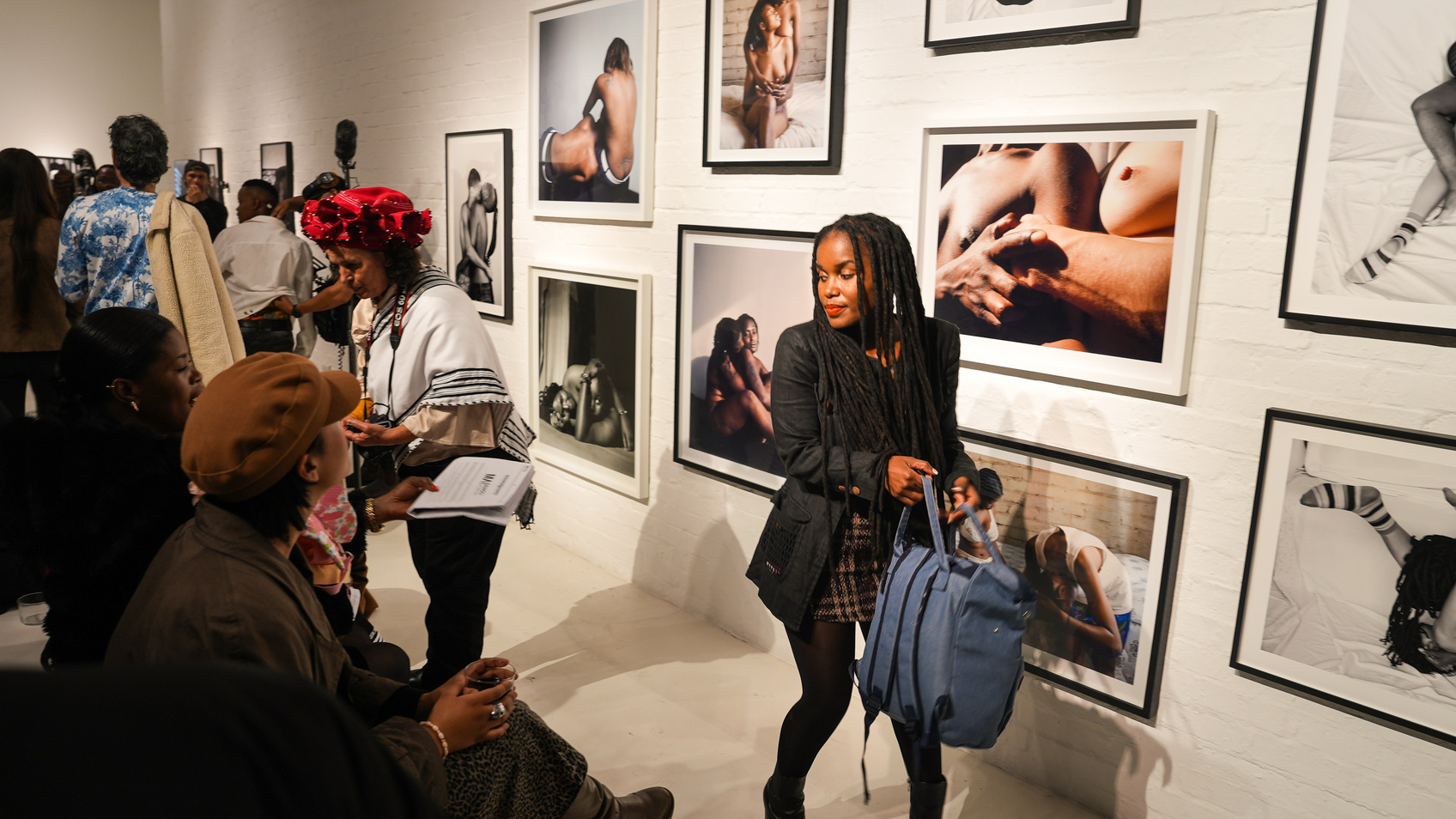
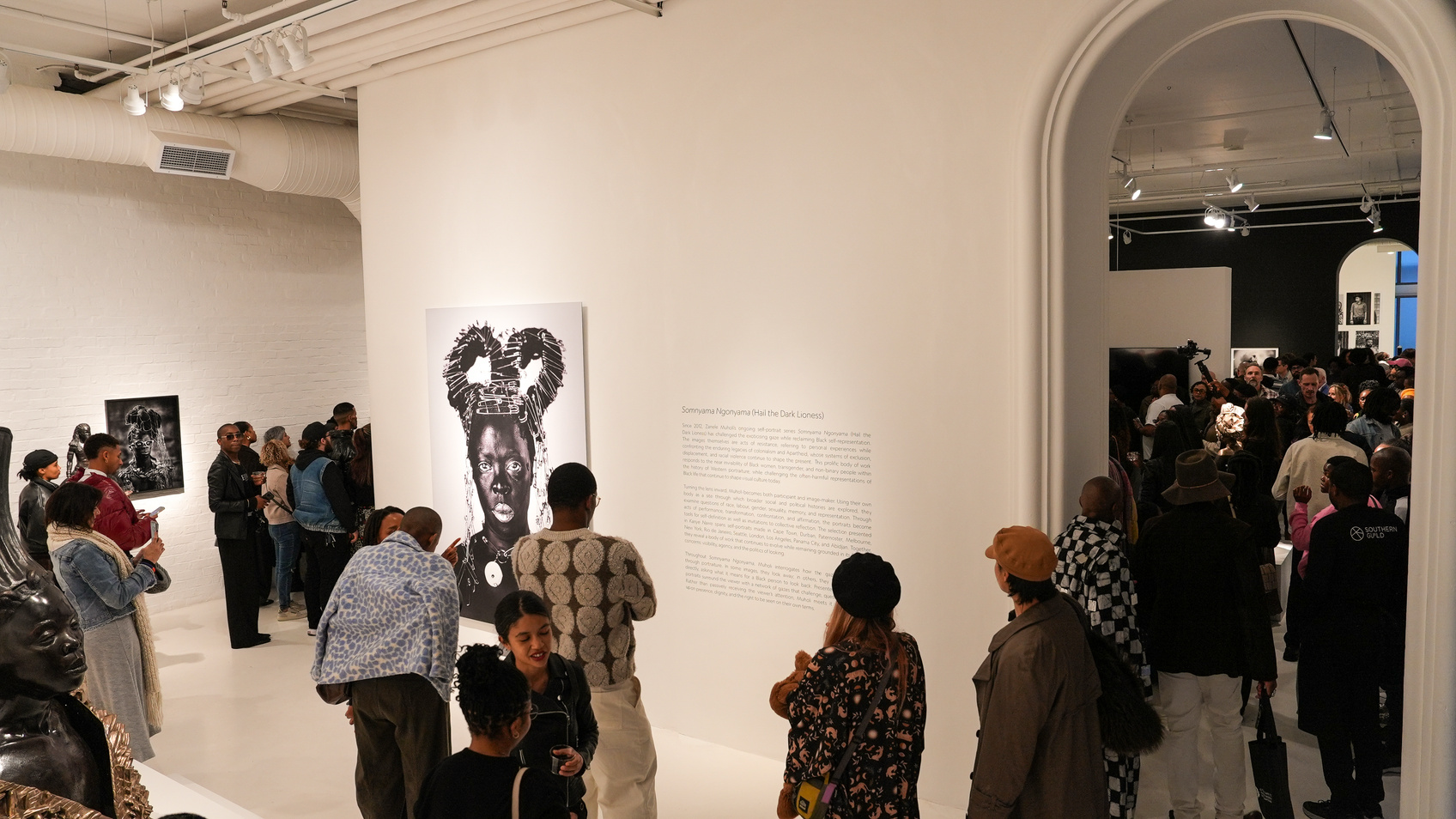
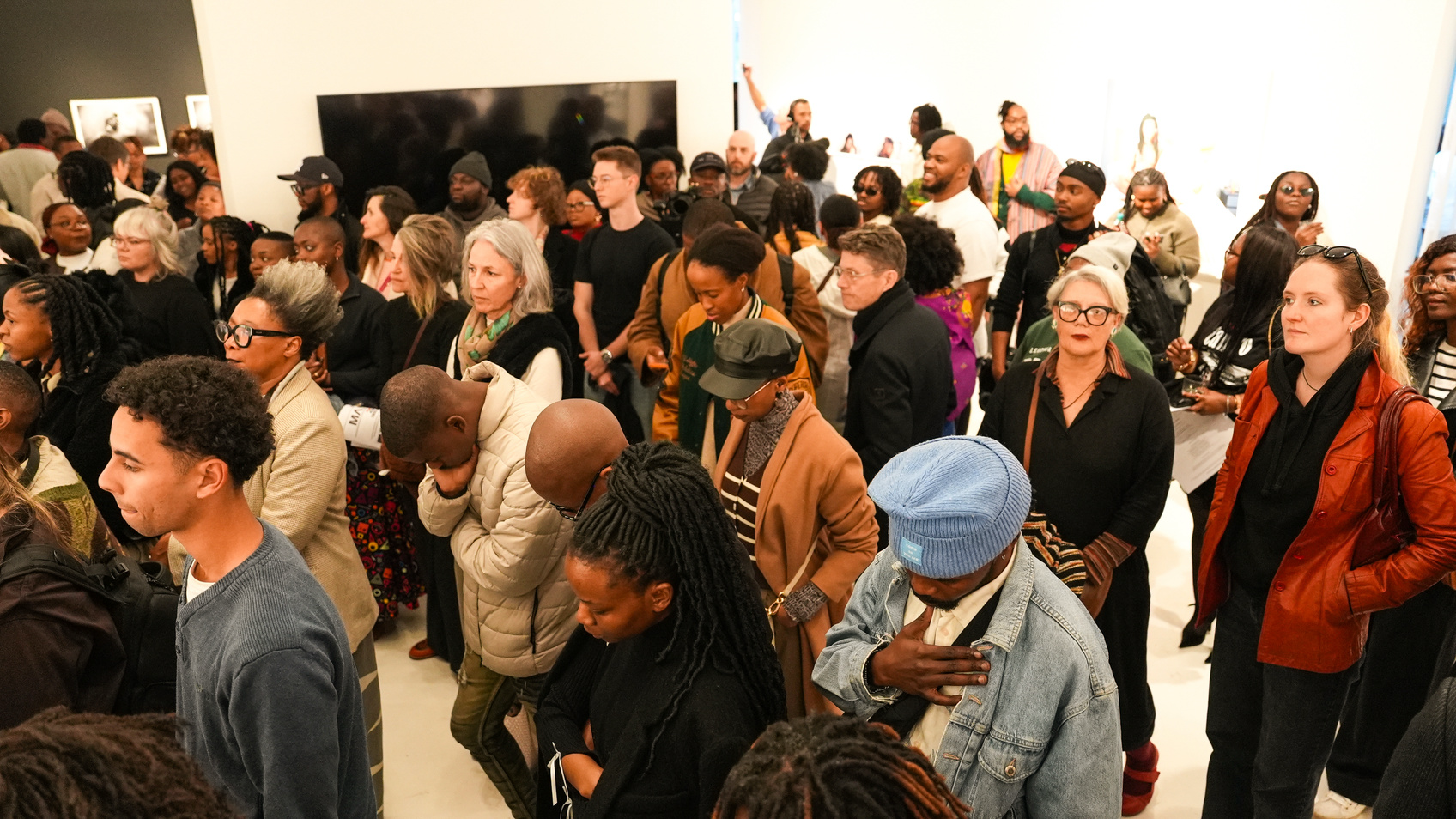
The team was still installing the exhibition, and although I could see the work taking shape, I could never have imagined the remarkable exhibition it would become. There is something magical about seeing an empty gallery transform into a space filled with stories, memories and people. The following morning, on the day of the opening, our team arrived early. It gave us the rare opportunity to experience the exhibition before hundreds of visitors poured in. I am glad we did, because once the evening began, the gallery was overflowing with people. It was heartening to witness so many art lovers gather to celebrate not only an exhibition but also two decades of Faces and Phases.
Everyone who knows me knows how much I love photography. They often compliment the photographs I take, even though most of them are captured on my phone. What surprises many people is that I do not really know how to operate a professional camera. Hand me one with all its settings and buttons, and I am happiest simply pressing the shutter. The Muholi Art Institute is home to many talented photographers. When I joined the team as a writer, I consciously stayed in my lane. I did not want to step into someone else’s territory, even if it meant denying myself the chance to develop a skill I genuinely enjoy. On the evening of the opening, MAI Producer Lufuno Ramadwa suggested I bring a camera to photograph the event. My immediate response was, “No. Not on a night like this. This is not the time to learn.” She insisted. In fact, she went back to her apartment to fetch a camera especially for me. Looking back, I am so glad she did. I spent the evening photographing the exhibition from my own perspective. Rather than focusing only on portraits, I found myself drawn to the crowd, the conversations, the movement, the embraces and the atmosphere. As someone who helps put together publications, I am always aware of how difficult it is to find strong crowd photographs. We usually have plenty of portraits but very few images that capture a room's energy. Looking through the photographs afterwards, I realised I may have leaned too heavily into that idea.
I was so determined to document the audience that I probably overlooked other moments worth capturing. Still, it was a valuable lesson and one I will carry into the next exhibition. Sometimes growth arrives when someone believes in you before you believe in yourself. That camera was more than just a camera; it was an invitation to step outside my comfort zone. For that, I will always be grateful. Looking back, I am grateful not only to have attended Kanye Nawe but to have experienced it from the inside, as a writer, as a member of the Muholi Art Institute and as someone still learning.
The exhibition reminded me that every assignment is an opportunity to grow, every conversation teaches something new, and every photograph has a story beyond what the eye can see.
A SEAT AT MUHOLI’S TABLE
A day after the opening of Kanye Nawe, on 19 July, we were invited to take a seat at Prof. Zanele Muholi’s table. It was their birthday, but rather than a formal celebration, the afternoon felt like a family gathering, one brought together through years of friendship, collaboration and community. Gathered around a long table at the Radisson Collection Hotel in Cape Town’s V&A Waterfront, artists, writers, activists, filmmakers and close friends shared a meal and conversation. Many of us had met one another through Muholi over the years, a testament to the expansive community they have nurtured through their work and generosity. What followed was more than a birthday lunch. It became a reflection on mentorship, chosen family, gratitude and the importance of building lasting relationships.
Speaking with warmth, humour and honesty, Muholi reflected on the people who shaped their life, the values that continue to guide them and why collaboration, kindness and preparation for the future matter more than personal success. One thing Muholi always insists on whenever people gather around their table is introductions. Everyone is allowed to introduce themselves and share what they do, whether they are an artist, writer, filmmaker, activist, entrepreneur or community organiser. It is a simple practice, but one with lasting impact. For Muholi, introductions are more than an icebreaker. They create opportunities for connection, collaboration and mutual support. By ensuring everyone knows who is in the room and what they bring, new partnerships are formed, ideas are exchanged, and a growing network of creatives and changemakers continues to strengthen. As Muholi reminded the room, “You need to know how to introduce yourself.” Owning your work and speaking confidently about it not only opens doors for you, but also allows others to recognise opportunities to work together. The birthday lunch soon became something much deeper than a celebration. It transformed into a reflection on mentorship, gratitude, community, and the responsibility we carry to create opportunities not only for ourselves but also for one another.
Muholi shared deeply personal memories of leaving home at 17 and finding refuge with Zodwa Muholi, who became far more than a mentor. “I’d like to thank my sister, my friend, my mother, my everything,” they said. “I was 17 years old, troubled, and this woman saved me.”They recalled moving into her home, where they learned not only practical life skills but also the values that continue to shape their life today. “This woman bought my first bus pass,” Muholi remembered. “She taught me to work hard, to study and to respect people. Never look down on anybody because you don’t know what the future holds.” Those lessons have become the foundation of Muholi’s philosophy. Throughout the afternoon, they returned to the importance of recognising those who guide us through life, reminding everyone that family is not only defined by blood. “There are people we’re born with, and there are people we meet along the way,” they reflected. “There are people connected to us by spirit, good energy and love.” That same generosity extends to how Muholi understands success. Rather than measuring achievement through possessions or status, they spoke about investing in people and relationships. “The cheapest gift you can give me today is good energy,” they said. “I don’t want material things. I’m just a simple person.”
Muholi encouraged everyone gathered around the table to celebrate one another openly, to compliment people, acknowledge excellence and create a culture where success is shared rather than envied. “When somebody is looking good, tell them they’re looking good. When somebody smells good, tell them they smell good. Let’s talk about people’s progress, their beauty and their achievements.” Looking beyond the present, Muholi shifted the conversation towards Cape Town hosting WorldPride in 2028. Rather than seeing it as a distant event, they challenged everyone in the room to begin preparing now. “You need to have a plan,” they insisted. “Know what you want to do in 2028.” Artists, activists and entrepreneurs were encouraged to formalise their work, register organisations, build collaborations and think strategically about the opportunities that lie ahead.
“We’ve all been activists, and we still are,” Muholi said. “But now we also have different dreams.” When Nobuzwe Mabona suggested that the Muholi Art Institute host a conference to bring people together, Muholi offered a thoughtful response. Meaningful collaboration, they explained, is not measured by the size of an event but by the relationships that endure long after it ends. “I don’t want to rent a crowd,” they said. “I want to be with people who really want to be with me.” Reflecting on their own journey, Muholi described success as a chain of people supporting one another, mentors, editors, writers, photographers, friends and collaborators, each helping the next person forward. As lunch drew to a close, the conversations around the table continued, sparked by introductions that had become new connections and possibilities. It was a reminder that Muholi’s greatest work extends beyond photography. It lives in the communities they build, the people they mentor, and the spaces they create, where others are encouraged to dream bigger, work together, and lead with generosity. Perhaps that is the true meaning of having a seat at Muholi’s table. You arrive as a guest, but you leave as part of a community, reminded that the greatest investment we can make is in one another. “The cheapest gift you can give me,” Muholi said one final time, “is good energy.
Being around Muholi has inspired me profoundly. Every time I sit at their table, it becomes an opportunity to grow and a quiet shift in the way I see the world. I arrived as a young boy who simply dreamed of building a family home, like most people do. But reflecting on my upbringing, on how little exposure we had in our community to so many things, especially art, it has changed me. Now I carry a dream to build an art centre back home. That is who you become around Prof. Zanele Muholi.
Gallery